

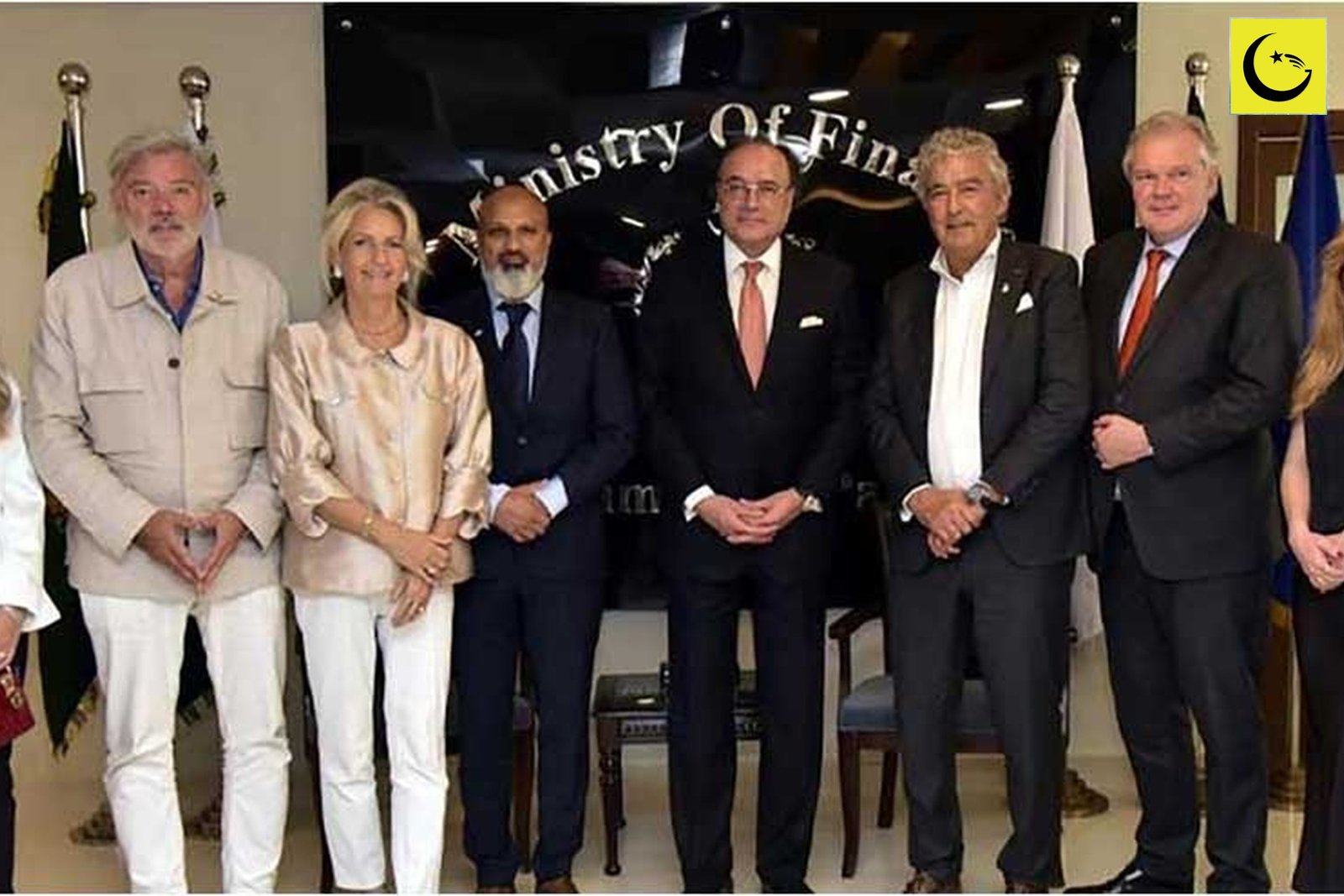
A Dutch business delegation has concluded a high-level visit to Islamabad with a clear message: Pakistan Netherlands trade, already worth about $1.9 billion, has room to grow much further. The entrepreneurs, investors and executives met Federal Secretary for Commerce Jawad Paul at a business dinner on October 12, 2026, where both sides agreed to turn commercial interest into concrete partnerships, joint ventures and investments.
The privately organised mission was led by Merlin Melles and brought together Dutch business leaders from across the Netherlands’ economy. Also present were Dutch Ambassador Robert-Jan Siegert, Special Secretary Commerce Syed Hamid Ali, senior Commerce Ministry officials and representatives of the Pakistan Software Export Board (PSEB).
A Business Dinner with Big Ambitions
Welcoming the delegation, Secretary Commerce Jawad Paul stressed that direct business-to-business engagement was the key to finding commercially viable opportunities. He highlighted openings for Dutch companies to partner with Pakistani firms and invest in export-oriented industries, rather than relying on government-to-government channels alone.
A detailed Commerce Ministry presentation set the stage, covering Pakistan’s trade relationship with the European Union, the benefits of the bloc’s GSP Plus scheme, and the scope for diversifying exports beyond traditional products. Farm output, the textile industry and the sports goods sector were all presented as areas with significant potential.
Pakistan Netherlands Trade: Why the $1.9 Billion Figure Can Grow
Addressing the gathering, Ambassador Siegert described the Netherlands as Pakistan’s second-largest export market within the European Union, with bilateral trade reaching approximately $1.9 billion. He noted that the balance is tilted largely toward Pakistani exports, and called for more Dutch exports and investment flowing into Pakistan to even things out.
The structure of Pakistan Netherlands trade gives both sides reasons for optimism. Europe’s largest port sits in Rotterdam, making the Netherlands a natural transit hub for Pakistani goods heading to the rest of the EU. With duty-free access under GSP Plus, Pakistani exporters already enjoy a competitive edge, and Pakistan is the largest beneficiary of the scheme.
Textiles, IT and Agri-Processing in Focus
The talks ranged across textiles, information technology, agriculture, food processing, engineering and skilled workforce development. Agricultural processing, dairy, sustainable technologies and value-added manufacturing were identified as areas where Dutch technical know-how could pair well with Pakistani production capacity.
Technology drew particular attention. Several delegates saw prospects in software development, remote professional services, engineering and specialised staffing, including arrangements where Pakistani professionals serve European firms through technology-enabled platforms. PSEB representatives held dedicated meetings with Dutch entrepreneurs interested in software, digital services and tech collaboration, broadening the scope of potential partnerships. It fits a wider national story: Pakistan’s IT exports to the UAE jumped 42 percent, and the World Bank ranks Pakistan among the top five global suppliers of digital services.
The delegation had done its homework before reaching Islamabad. Members visited Systems Limited and major textile and industrial units in Karachi, and praised the country’s industrial capabilities, professional expertise and hospitality.
A Dutch Footprint Already Deep in Pakistan
The Netherlands is no stranger to the Pakistani market. More than 50 Dutch companies operate across agriculture, food and beverage and industrial storage, contributing to employment and food security. Ambassador Siegert has pointed out how familiar Dutch brands have become in everyday Pakistani life, from Lipton tea to Olpers milk produced with FrieslandCampina, and from SPAR supermarkets to Dulux paints.
Joint ventures tell the same story of long-term commitment. Engro Vopak, a partnership between Royal Vopak of the Netherlands and Engro Corporation, and Barkat Frisian Agro show how Dutch expertise and Pakistani entrepreneurship create lasting value. Days before the Islamabad dinner, Finance Minister Muhammad Aurangzeb hosted a separate luncheon for another Dutch business group led by the Founders Carbon Network, with the State Bank governor and commerce secretary attending, a sign of how active this corridor has become.
That momentum in Pakistan Netherlands trade mirrors the broader export revival: Pakistan’s exports rose 17.6 percent in September to $2.94 billion, giving Dutch partners an economy with wind in its sails.
What Comes Next for Pakistan Netherlands Trade
Both sides left Islamabad with homework. The meeting closed with a shared emphasis on keeping business communities in regular contact and converting interest into practical outcomes: new investment, joint ventures and long-term partnerships. The Dutch envoy welcomed the privately organised nature of the mission as an encouraging sign of genuine private-sector appetite, rather than diplomatic box-ticking.
For Pakistan, the prize is clear. Deeper Pakistan Netherlands trade means more than bigger export numbers: it means technology transfer in agriculture and manufacturing, new channels for the country’s growing IT workforce, and a stronger foothold in European markets through the Rotterdam gateway. For Dutch firms, it means a young, skilled workforce and production capacity at competitive costs.
If the handshakes in Islamabad turn into signed deals, the $1.9 billion figure both sides quoted could soon look like a starting point. That would be good news for Pakistan Netherlands trade and for the workers and businesses on both ends of it.
Photo: The Boardroom PK
Sources
- Mettis Global: Dutch delegation finds Pakistan a treat for trade and investment
- The Boardroom PK: Pakistan, Netherlands explore trade, investment opportunities
- The News: Netherlands seeks long-term commercial ties with Pakistan

Umar is an engineer by profession and a passionate writer by passion. He has a deep interest in sharing good news related to Pakistan and has been working hard to promote the positive image of his homeland. Umar has written numerous articles on various topics related to Pakistan, such as technology, sports, culture, and economy.