

A UNICEF leishmaniasis medicine delivery has brought 75,000 vials of treatment to Khyber Pakhtunkhwa, giving health facilities across the province the supplies they need to treat children and families caught in the ongoing outbreak. UNICEF handed the medicines to the Government of Pakistan on October 16, 2026, and the stock is now moving to selected health facilities in the province.
The delivery is a direct answer to a pressing need. More than 10,500 cases of leishmaniasis have been reported in Khyber Pakhtunkhwa since January 2026, including more than 4,400 children under the age of 16. With treatment now in hand, health workers can reach those patients through the public health system, close to home.
UNICEF Leishmaniasis Medicine: What 75,000 Vials Mean for KP
The scale of the delivery matters. This UNICEF leishmaniasis medicine stock is enough to cover the current caseload and to keep treatment available as new cases are found. Because this UNICEF leishmaniasis medicine carries a three-year shelf life, the supplies will support treatment well beyond the present outbreak, giving the province a buffer against future surges.
UNICEF delivered the medicines to the Department of Health, Khyber Pakhtunkhwa, in Peshawar. From there, distribution runs through selected health facilities, so that affected children and families can get care without travelling long distances to a central hospital.
For families in affected districts, that local access is the heart of the story. Treatment that arrives at a nearby facility means earlier care, fewer missed school days, and less strain on household budgets.
Why Children Are at the Centre of the Response
Children make up a large share of the reported cases, with more than 4,400 of the 10,500 cases recorded since January involving children under 16. Children are especially vulnerable because their immune systems are still developing. That is why this UNICEF leishmaniasis medicine delivery puts children first in the response.
UNICEF Representative in Pakistan, Pernille Ironside, said every child has the right to healthcare so they can grow, learn and thrive, and that UNICEF is working alongside the Government of Pakistan to make sure vulnerable children can access essential care.
“Together, we must continue investing in prevention, early detection and treatment so that no child is left behind.”
UNICEF Representative in Pakistan, Pernille Ironside
What Leishmaniasis Is
Leishmaniasis is a disease spread by the bite of infected sand flies. According to the World Health Organization, it is a treatable and curable disease, and early diagnosis with prompt, effective treatment reduces its spread and prevents long-term harm.
Why This Delivery Matters Now
The province has faced treatment shortages before. In earlier years, public facilities in Khyber Pakhtunkhwa ran out of the first-line medicine, leaving patients unable to get free treatment at public hospitals. This UNICEF leishmaniasis medicine delivery directly closes that kind of gap, putting a large, fresh stock into the system before shortages can take hold.
UNICEF has supported leishmaniasis treatment in Pakistan in past years as well, including procuring 75,000 treatment injections during an earlier upsurge in Khyber Pakhtunkhwa and Balochistan. The latest delivery continues that partnership and keeps the province stocked for the months ahead.
What Happens Next
With the UNICEF leishmaniasis medicine now in place, the focus shifts to reaching every patient. Health officials say the partnership will strengthen the province’s ability to provide timely treatment and ensure affected children and families can access essential care.
Laeeq Ahmed, Additional Secretary of Health at the Ministry of National Health Services Regulations and Coordination in Islamabad, said leishmaniasis remains a significant public health concern in several districts of Khyber Pakhtunkhwa, and that UNICEF’s support will strengthen the province’s ability to provide timely treatment.
UNICEF says it will keep working with the Government of Pakistan to improve child health outcomes and support fair access to essential health services for children and families. For the children of Khyber Pakhtunkhwa, the message of this delivery is simple: the UNICEF leishmaniasis medicine is here, the care is close by, and help is on the way.
Related reading on Good News Pakistan: the country recently launched its National Mental Health Policy 2026-2035, China and Pakistan signed medical education MoUs, and Reckitt Pakistan and the Aga Khan Foundation launched Saaf Sehatmand Pakistan.
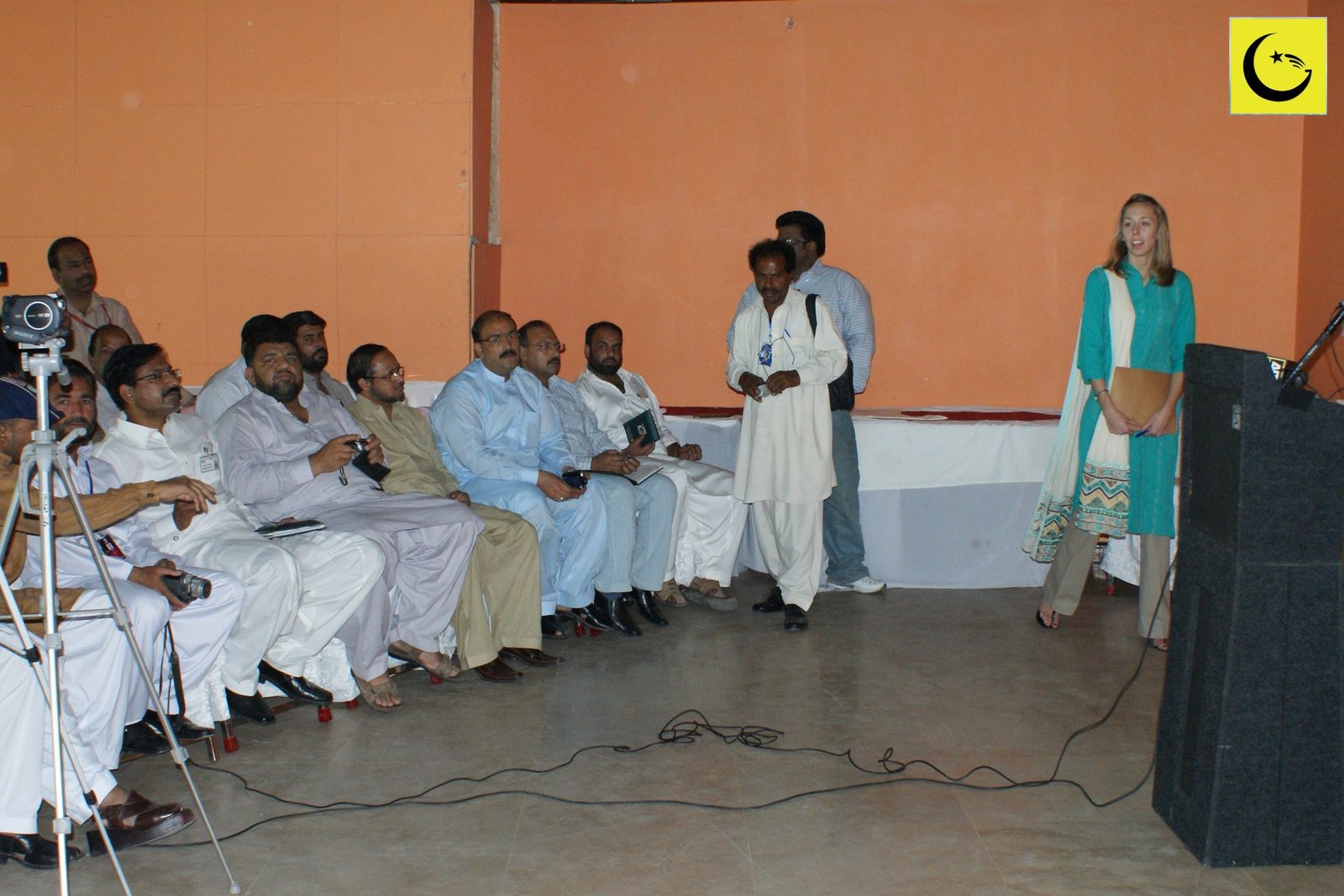
Photo: USAID / Wikimedia Commons (public domain), file photo of Lady Health Workers in Pakistan
Sources
- UNICEF Pakistan, UNICEF provides 75,000 vials of medicine to treat children affected by leishmaniasis in Khyber Pakhtunkhwa
- World Health Organization, Leishmaniasis fact sheet
- Gavi VaccinesWork, Cutaneous leishmaniasis spikes in Pakistan as treatment stock-outs hit northwestern region

Umar is an engineer by profession and a passionate writer by passion. He has a deep interest in sharing good news related to Pakistan and has been working hard to promote the positive image of his homeland. Umar has written numerous articles on various topics related to Pakistan, such as technology, sports, culture, and economy.