

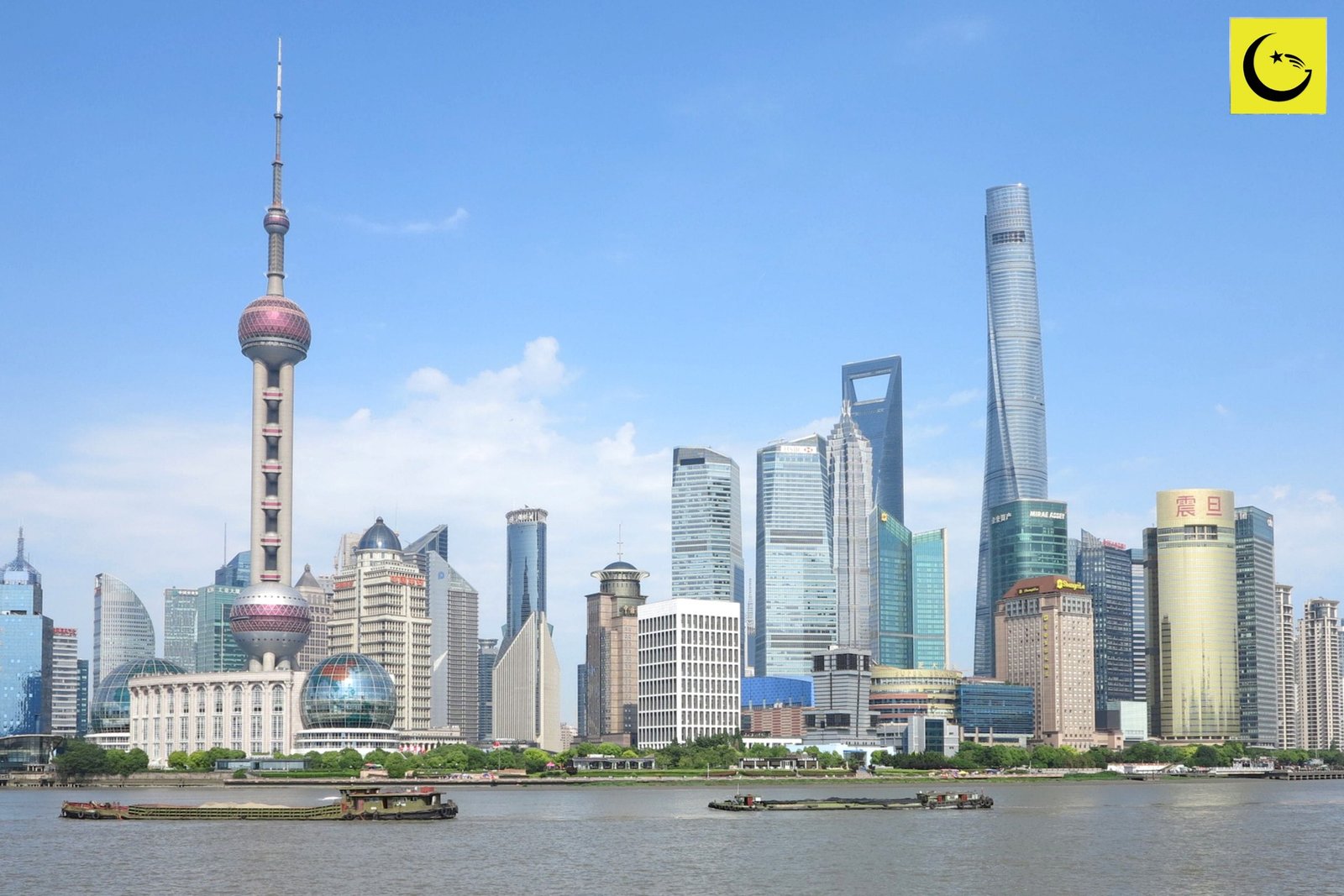
Sindh signed 34 memorandums of understanding at the Sindh Shanghai Investment Conference, a two-day push to bring Chinese investment into the province’s energy, manufacturing, agriculture and technology sectors. The agreements, announced as the conference concluded in Shanghai on October 15, 2026, split into 10 government-to-government deals and 24 business-to-business deals.
The Sindh Shanghai Investment Conference was the second edition of the event, and the first in 12 years. It drew investors from Pakistan and China, and put the Dhabeji Special Economic Zone, a priority project under the China-Pakistan Economic Corridor, at the centre of the province’s pitch.
What the Sindh Shanghai Investment Conference Delivered
At the Sindh Shanghai Investment Conference, the headline number was 34. The News reported that a total of 34 memorandums of understanding were signed across several sectors, including 10 agreements at the government-to-government level and 24 between business entities. Energy Update’s account of the closing media briefing gave the same figure of 34 agreements between Sindh government entities and Chinese enterprises, alongside further private-sector agreements.
One point deserves plain handling. A memorandum of understanding is an agreement to explore cooperation, not a finalised investment. No source has published a total dollar value for the 34 MoUs, and this article does not invent one. What the MoUs record is intent, sectors, and counterparts. Whether they turn into factories, power projects and data centres depends on the follow-up work now due in Karachi and Sindh.
The sectors named in coverage of the Sindh Shanghai Investment Conference give the clearest picture of what both sides want. They include energy, coal and Thar Coal utilisation, electric vehicle manufacturing and charging stations, renewable energy from wind and solar, modern agriculture, digital transformation, and universities. Looking further ahead, the conference also covered artificial intelligence, large data processing, and the building of modern data centres.
Dhabeji Special Economic Zone in Focus
At the Sindh Shanghai Investment Conference, Dhabeji was presented as the flagship site for incoming industrial investment. The zone sits in Thatta district, near Karachi. The News reported that Chinese investors expressed interest in investing in the zone and establishing industrial units there. The zone is part of the China-Pakistan Economic Corridor, and the Sindh Investment Department’s official project brief describes it as a priority project under that corridor.
The brief sets out the zone’s pitch in concrete terms. The government has allocated 1,530 acres of land for the zone, which sits close to Port Qasim and the National Highway, about 35 kilometres from Karachi airport. The incentive package includes a tax holiday of up to 10 years and duty-free import of plant and machinery for developers and enterprises. The zone is being developed under a public-private partnership model.
For investors weighing a move, location is the argument. Dhabeji offers direct access to Port Qasim for raw material imports and finished goods exports, without the inland transport costs that push up the price of goods made far from a port. The National Highway connection links the zone to markets upcountry and to the trade corridor running toward Central Asia.
What Investors Were Offered
Beyond the zone itself, the Sindh Shanghai Investment Conference set out a facilitation package designed to shorten the time between an agreement and a working project. The Sindh Investment Department has established a dedicated China Desk and a Single Window Facility Centre, so investors deal with one front door rather than a series of departments. Investors in Sindh’s special economic zones will receive a 10-year tax holiday and exemptions on import duties, according to Energy Update’s account of the closing briefing.
A public-private partnership unit provides the legal and institutional framework for joint projects, a point emphasised in the same briefing. The aim, as presented at the conference, is to give investors predictable rules: clear incentives, a single point of contact, and a legal structure for projects built jointly with the public sector.
The workforce case was part of the pitch too. Under the People’s Information Technology Program, Sindh trains about 1,500 young people each year for the digital economy. That pipeline matters most for the technology items on the MoU list, including artificial intelligence, data processing and data centres, which need skilled staff as much as they need capital. The AI and data centre focus also lines up with Pakistan’s growing chip design work, including the NUST spin-off ChipXPRT and its recent seed investment.
Why the Conference Matters for Business
The electric vehicle items on the list connect directly to a live trend at home. Pakistan’s car sales jumped 43 percent in the first quarter of FY27, and EV manufacturing and charging infrastructure were named among the conference sectors. If even part of the EV cooperation moves forward, it lands in a market that is already expanding.
The agreements also add to a run of business news from the province. Khushhali Microfinance Bank recently won two national awards after a Rs7.6bn turnaround, a reminder that the investment story is not only about foreign capital. Local banks, microfinance and manufacturers are part of the same picture.
For the province, the Sindh Shanghai Investment Conference will be judged on conversion. The conference organisers said the MoUs were backed by prior groundwork, and that the agreements should move quickly into operational projects. The 12-year gap since the first Shanghai conference was used, according to the closing briefing, to prepare infrastructure, policy and workforce capacity. The next evidence will be concrete: site allocations at Dhabeji, project announcements, and construction starts.
“Shanghai transformed its economy by promoting investment, and Karachi is poised to scale new heights of development through a similar model,” the Chief Minister said at the closing briefing.
For now, the Sindh Shanghai Investment Conference closed with a long list of agreements and a clear set of priorities: energy, electric vehicles, renewables, agriculture, digital transformation, and the Dhabeji zone. The value of the conference will be measured in the months ahead, by how many of the 34 memorandums become signed contracts, funded projects, and jobs.
Photo: Wikimedia Commons (CC0)
Sources
- The News: MoUs signed at Shanghai moot to promote investment prospects in Sindh
- Energy Update: CM Murad Shah secures major Chinese investments during Shanghai Conference
- CPEC Info: Sindh CM departs for China to attract foreign investment, boost local manufacturing
- Sindh Investment Department: Dhabeji Special Economic Zone project brief (PDF)

Umar is an engineer by profession and a passionate writer by passion. He has a deep interest in sharing good news related to Pakistan and has been working hard to promote the positive image of his homeland. Umar has written numerous articles on various topics related to Pakistan, such as technology, sports, culture, and economy.