

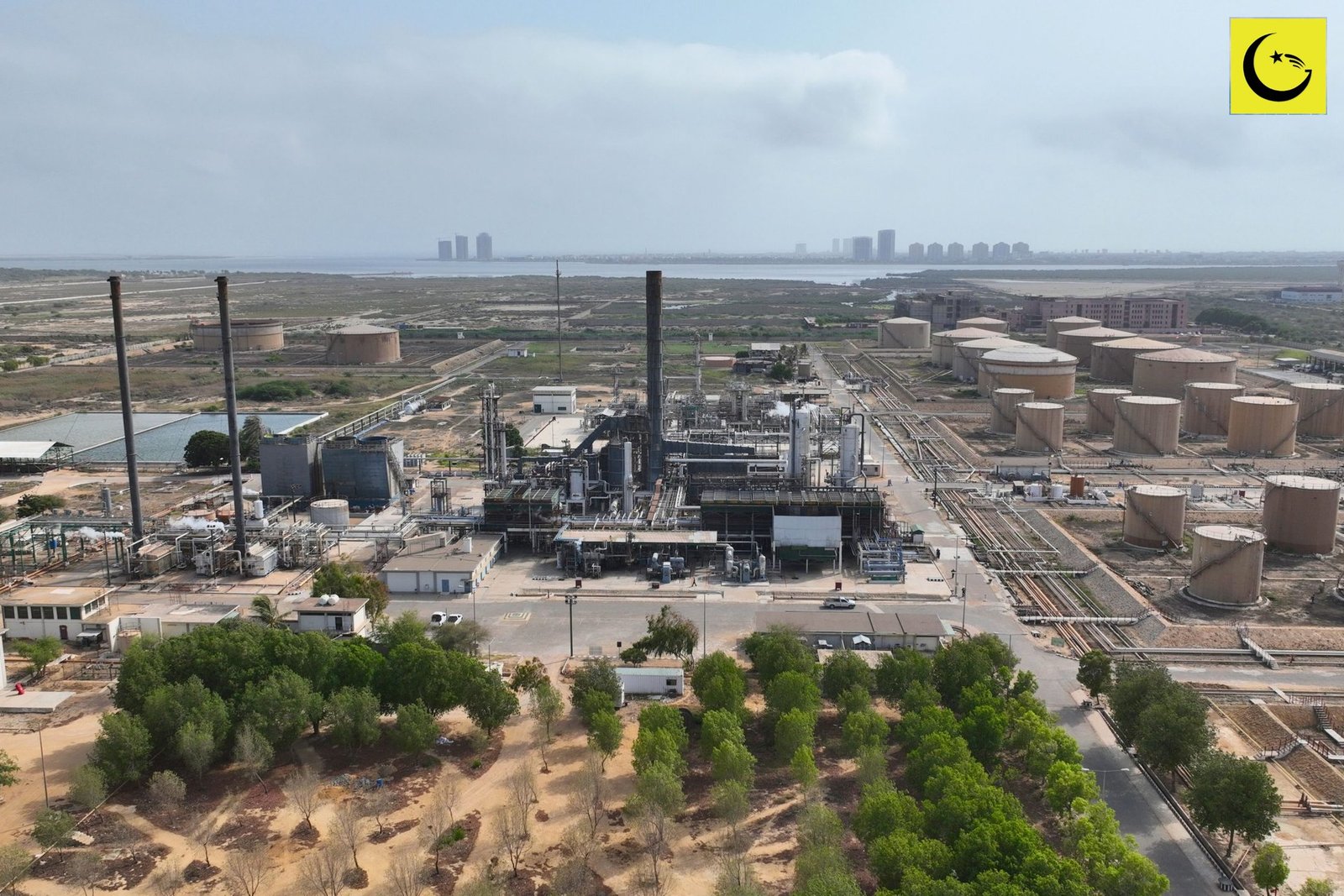
Pakistan Refinery Profit 2026 headlines a standout quarter for Pakistan Refinery Limited (PRL), which posted a net profit of Rs13.97 billion for the first quarter of FY27, the three months from July to September 2026. The result is 13.7 times the Rs1.02 billion the Karachi refiner earned in the same quarter a year earlier, and it was driven by much stronger refining margins and the absence of inventory losses.
Pakistan Refinery Profit 2026: Margins Drive the Surge
Earnings per share rose to Rs22.17, compared with Rs1.61 in the first quarter of FY26 and Rs5.87 in the previous quarter, according to Topline Research, which reviewed the results PRL filed with the Pakistan Stock Exchange in a note issued on October 21, 2026. Topline said the company beat expectations because gross profit came in stronger than analysts had forecast, and the scale of that beat is the heart of the Pakistan Refinery Profit 2026 story.
Topline estimated PRL’s gross refining margins at $34.3 per barrel for the quarter. That estimate includes the 7.5 percent deemed duty on high speed diesel. Higher realised refining margins, together with a quarter free of the inventory losses that can drag refinery earnings down when crude and product prices fall, explain most of the year on year jump, the review said. Mettis Global’s breakdown of the filed results likewise attributes the performance to robust refining margins and higher volume dispatches.
Sales Double as Gross Profit Rises More Than Eightfold
Net sales climbed 105 percent year on year to Rs126.18 billion, from Rs61.66 billion a year earlier, helped by higher ex-refinery prices and increased product upliftment. Sales were also 8 percent higher than in the previous quarter. Cost of sales rose 72 percent to Rs101.09 billion, but revenue grew far faster, so gross profit surged to Rs25.09 billion from Rs2.94 billion. Gross margin widened to 19.9 percent, from 4.8 percent in the same quarter last year. That margin expansion is the single biggest driver behind Pakistan Refinery Profit 2026.
Operating profit followed the same pattern, climbing to Rs23.28 billion from Rs2.79 billion a year earlier. For a hydro skimming refinery of PRL’s size, the step change in Pakistan Refinery Profit 2026 came less from selling vastly more fuel and more from earning far more on each barrel it processed and sold.
Costs, Tax and a Leaner Balance Sheet
Below the gross profit line, overheads rose but stayed small next to the margin gain. Selling expenses increased 33 percent to Rs213.25 million, administrative expenses rose 7 percent to Rs286.29 million, and other operating expenses reached Rs1.58 billion, up from Rs121.46 million, mainly on statutory and operating provisions. Other income contributed Rs268.07 million, while finance costs held almost flat at Rs1.10 billion.
Profit before tax rose to Rs22.18 billion, from Rs1.69 billion a year earlier. The tax charge increased to Rs8.21 billion from Rs670 million, although the effective tax rate eased to 37 percent from 40 percent. The balance sheet also improved during the quarter: stock in trade fell to Rs29 billion at the end of September, from Rs32 billion in June, and short term borrowings were cut to Rs2.7 billion from Rs7.4 billion.
One technical point in the results drew attention from analysts. PRL continued to book the 7.5 percent deemed duty on high speed diesel under the previous Refinery Policy, Topline noted, while other refineries had reversed that amount for earlier periods. PRL continued to claim the benefit under its existing policy arrangement, a detail investors will watch as the Pakistan Refinery Profit 2026 numbers are compared with rival refiners.
What It Means for One of Pakistan’s Oldest Refineries
PRL is one of Pakistan’s longest serving refineries. Established in 1960 and listed on the Pakistan Stock Exchange, it operates a hydro skimming refinery at Korangi Creek in Karachi with a crude terminal at Keamari, processing about 50,000 barrels per day into products including high speed diesel, motor gasoline, kerosene, jet fuel and furnace oil. Its Refinery Expansion and Upgrade Project is aimed at producing cleaner fuels and improving energy efficiency. Against that long history, the scale of Pakistan Refinery Profit 2026 is striking.
The quarter lands in a busy season for Pakistan’s energy and business pages. It follows the latest petrol and diesel price cut for October 2026, which eased pump prices for motorists and transporters, and a period in which the Pakistan Stock Exchange set a record for new investor accounts in September 2026. Broader trade numbers have also been moving the right way, with Pakistan’s exports rising in September 2026.
Refinery earnings are famously volatile, and a single quarter shaped by unusually strong margins does not guarantee a repeat. Even so, Pakistan Refinery Profit 2026 gives PRL something valuable: a much stronger balance sheet, sharply lower short term borrowing, and proof of how much the refinery can earn when margins, product prices and volumes line up in the same quarter.
Photo: Pakistan Refinery Limited (PRL)
Sources
- Bloom Pakistan: Pakistan Refinery Profit Soars 13.7 Times to Rs13.97 Billion in First Quarter
- Mettis Global: PRL 1QFY27 Profit Skyrockets Nearly 14 Fold
- Pakistan Refinery Limited: About the Company

Umar is an engineer by profession and a passionate writer by passion. He has a deep interest in sharing good news related to Pakistan and has been working hard to promote the positive image of his homeland. Umar has written numerous articles on various topics related to Pakistan, such as technology, sports, culture, and economy.