

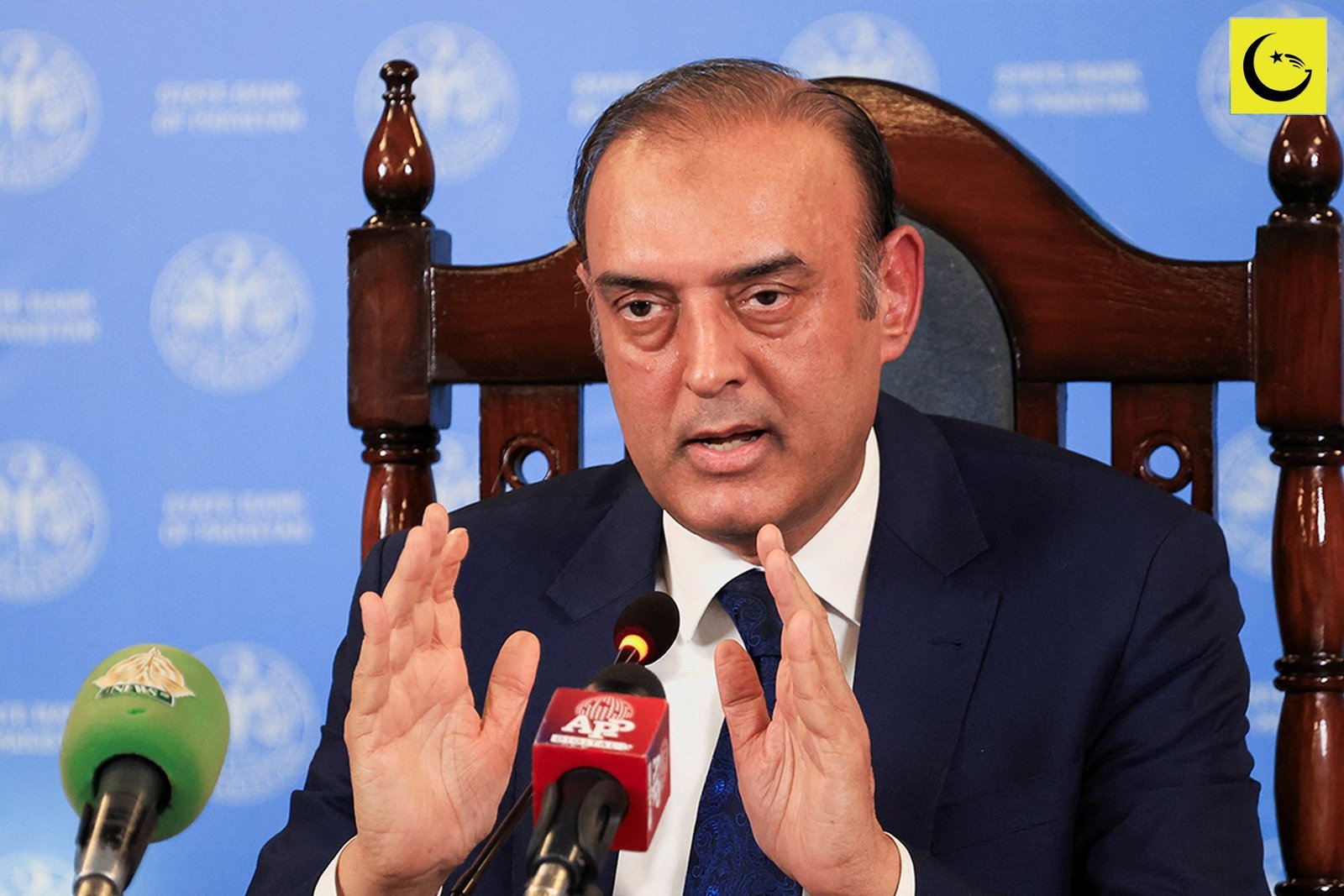
Pakistan foreign exchange reserves 2026 reached $21.5 billion as of October 9, while real GDP growth stood at 3.7 percent in FY26, State Bank of Pakistan (SBP) Governor Jameel Ahmad told foreign investors during a series of high-level meetings held on the sidelines of the IMF-World Bank Annual Meetings in Bangkok, Thailand, from October 12 to 17. The figures mark a striking turnaround from February 2023, when the central bank’s official reserves had fallen below $3 billion.
Photo: Arab News Pakistan
Ahmad presented Pakistan’s improving macroeconomic outlook to senior executives from JP Morgan, Citibank, Jefferies, Deutsche Bank, Barclays, Bank of America, MSCI, Standard Chartered and Mitsubishi UFJ Financial Group. The governor also met bilateral and multilateral partners, other central banks and global credit rating agencies during the week-long engagement, according to reports in Mettis Global, Bloom Pakistan and Pakera.
Pakistan Foreign Exchange Reserves 2026: Built by Buying, Not Borrowing
The most telling detail in the governor’s briefing was how the reserves were rebuilt. He said the rise from under $3 billion in February 2023 to $21.5 billion by October 9, 2026 was largely driven by the SBP’s own foreign exchange purchases from the interbank market. Over the same period, Pakistan’s external debt stock increased only marginally, which means the reserve build-up was funded by market purchases rather than fresh borrowing.
Two conditions made that possible, according to the governor: an almost balanced current account in FY26, and regulatory reforms covering exchange companies along with measures to channel workers’ remittances through formal banking channels. Those reforms improved liquidity in the interbank foreign exchange market. The momentum is visible elsewhere too: Pakistan’s remittances hit $10.9 billion in the first quarter of FY27, up 14 percent, showing that the shift toward formal channels is still paying off.
At the same time, the SBP’s forward liabilities, the dollars it has promised to pay banks under swap and forward contracts, shrank from more than $5.7 billion to less than $1 billion. That leaves the headline reserve figure far less encumbered than the low point of 2023, and it is what turns the Pakistan foreign exchange reserves 2026 figure from a moment into a milestone. The central bank expects to keep purchasing foreign exchange in FY27, with the current account deficit projected to stay contained within 0 to 1 percent of GDP.
Investor appetite for Pakistani paper has already responded to the stronger buffers. A $3 billion Eurobond earlier drew $6 billion in orders as reserves hit a then-record $21.4 billion, and the governor told investors in Bangkok that continued reforms have facilitated Pakistan’s access to global capital markets despite a challenging global environment.
Growth Recovers and Inflation Cools
Real GDP growth reached 3.7 percent in FY26 after the economy contracted in FY23, the governor said, and the SBP projects growth of 3.5 to 4.5 percent in FY27. Those figures give the Pakistan foreign exchange reserves 2026 build-up its context: reserves rose while the economy grew, not while it stalled. Inflation, he added, declined sharply from the elevated levels of FY23 to nearly within the target range in FY26, despite a significant oil price shock. He credited sustained and prudent macroeconomic policies and structural reforms for strengthening Pakistan’s resilience against domestic and external shocks.
The broader export story supports that picture. IT exports reached $435 million in September 2026, the second-highest monthly figure ever, adding to the steady flow of foreign exchange that underpins the reserve position.
Fiscal Surpluses and an IMF Staff-Level Agreement
Pakistan’s fiscal position has also strengthened. The primary fiscal balance recorded a third consecutive annual surplus in FY26, and the public debt-to-GDP ratio continued on a downward trajectory, the governor said.
Ahmad further informed investors that a Staff-Level Agreement had been reached with the IMF on the reviews under the Extended Fund Facility and the Resilience and Sustainability Facility. He said continued implementation of the reform agenda had improved investor confidence and supported upgrades to Pakistan’s sovereign credit ratings.
Looking Ahead
While ongoing geopolitical developments present challenges, the governor said the economy is now in a significantly stronger position to withstand external shocks than during previous periods of stress. If the momentum behind Pakistan foreign exchange reserves 2026 continues, with dollar purchases sustained and the current account kept within its projected band, the central bank’s external buffers could strengthen further in FY27. Ahmad reaffirmed the SBP’s commitment to preserving macroeconomic stability, strengthening external buffers and advancing structural reforms to support sustainable economic growth.
Sources
- Mettis Global News, Pakistan’s FX reserves hit $21bn, GDP growth reaches 3.7% in FY26
- Bloom Pakistan, Pakistan’s Foreign Reserves Reach $21.5 Billion as GDP Growth Hits 3.7%
- Pakera, SBP Governor: Reserves $21.5bn, FY27 Growth 3.5 to 4.5%

Umar is an engineer by profession and a passionate writer by passion. He has a deep interest in sharing good news related to Pakistan and has been working hard to promote the positive image of his homeland. Umar has written numerous articles on various topics related to Pakistan, such as technology, sports, culture, and economy.