

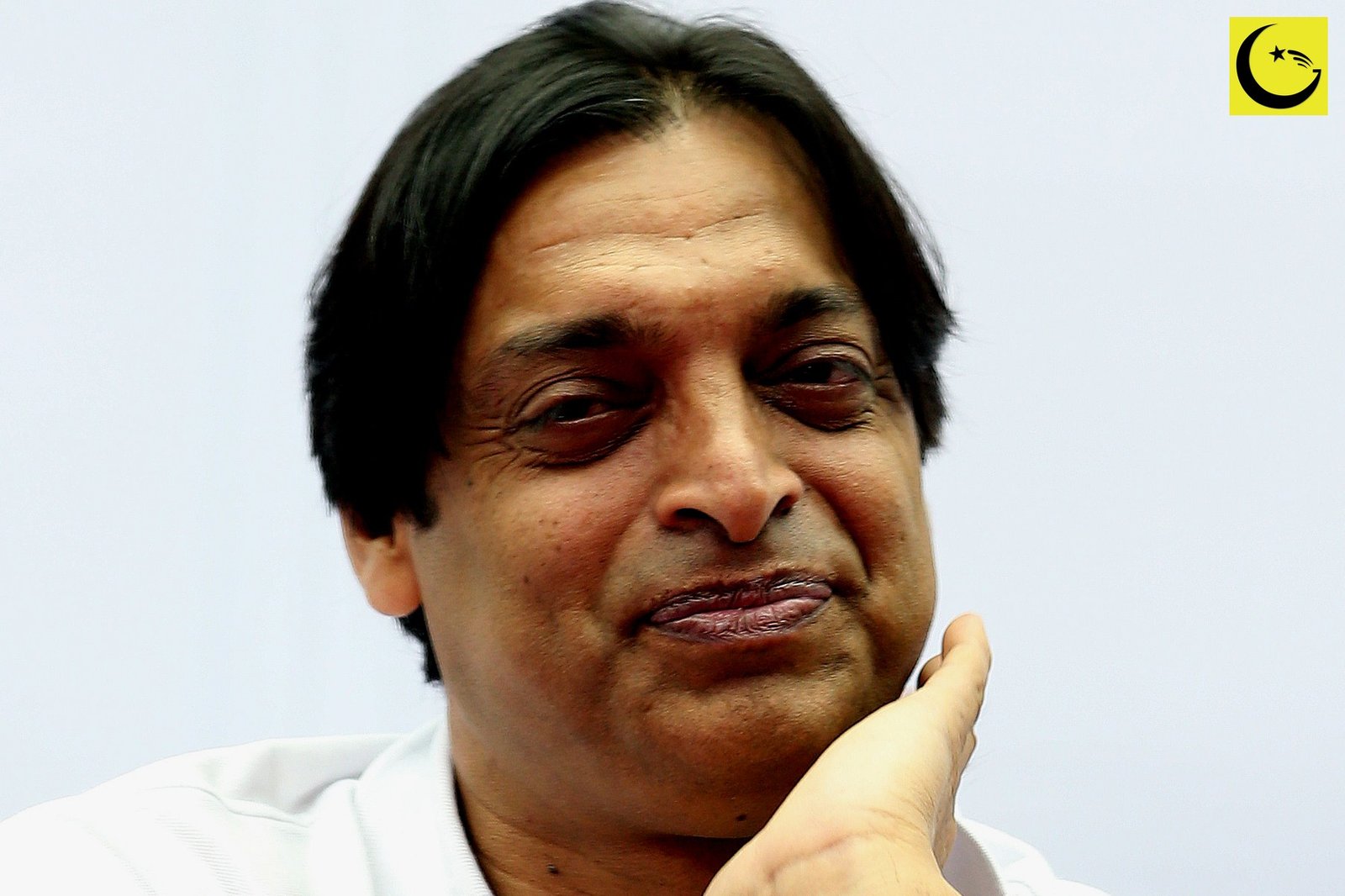
The fastest ball in cricket was bowled by a Pakistani, and more than two decades later it still has not been beaten. On 22 February 2003, at Newlands in Cape Town during the Cricket World Cup, Shoaib Akhtar ran in to England opener Nick Knight and sent down a delivery measured at 161.3 kilometres per hour (100.23 mph). It was the first recorded ball in international cricket to break the 100 mph barrier, and Guinness World Records lists it as the fastest delivery ever electronically measured in the game.
The Fastest Ball in Cricket: One Over at Newlands
The record did not come from a single swing of the arm. ESPNcricinfo’s ball-by-ball record of that World Cup group match shows the whole over building like a drumbeat: 153.3, 158.4, 158.5, 157.4 and 159.5 km/h, each one quicker than most bowlers manage in a career, and then the sixth ball at 161.3 km/h. The over averaged 158.06 km/h. Knight, to his credit, got his bat down and defended the record ball, but the number on the speed gun is what history kept.
The speeds at that World Cup were measured by the radar system the ICC had contracted for the tournament, the same equipment for every match, which is one reason this particular reading has carried weight ever since. Akhtar was already famous for pace, but Newlands turned a reputation into a measured fact: no bowler, before or since, has been electronically timed faster in an international match.
How a Bowling Speed Is Measured
A cricket speed gun is a radar unit positioned behind the bowler’s arm, usually near the sightscreen or in the broadcast gantry. It locks onto the ball as it leaves the bowler’s hand and reports the release speed, the quickest the ball ever travels, before air resistance and the pitch slow it down on the way to the batsman. Modern broadcasts cross-check radar with ball-tracking cameras, but the principle is the same: the number you see on screen is the speed out of the hand.
Because equipment and set-ups differ from ground to ground, readings can vary slightly between venues, and outright glitches happen. Television has flashed figures above 170 km/h that were simply errors, including a notorious 181.6 km/h reading in Adelaide in 2024, and those are never counted as records. Measuring the fastest ball in cricket is therefore a story of trusted readings, not the biggest number ever shown on a screen.
R E A D M O R E
Jahangir Khan Won 555 Squash Matches in a Row
The Honest Caveat, and Why the Record Still Stands
One caveat belongs in any honest telling: the ICC does not maintain an official fastest-ball record, precisely because speed guns are not standardised across the world’s grounds. What stands is the Guinness World Records listing, which recognises Akhtar’s 161.3 km/h as the highest electronically measured speed for a bowled ball, and the agreement of the record books and match archives behind it.
The fastest bowlers of the years since have all taken their shot at it. Brett Lee, Shaun Tait and Mitchell Starc each peaked in the low 160s at their very fastest, and none of them passed 161.3. The mark has now survived more than 23 years of stronger athletes, better sports science and faster pitches. Pakistan knows this feeling in other sports too: Arshad Nadeem’s Olympic record throw of 92.97 metres is another Pakistani standard the rest of the world is still chasing.
The Rawalpindi Express
The man behind the number was born on 13 August 1975 in Morgah, near Rawalpindi, the city that gave him his nickname. Shoaib Akhtar made his Test debut against the West Indies in Rawalpindi in November 1997, and for fourteen years he was the most feared sight in cricket: the long, charging run, the slinging action, and spells that could dismantle a batting order in an hour.
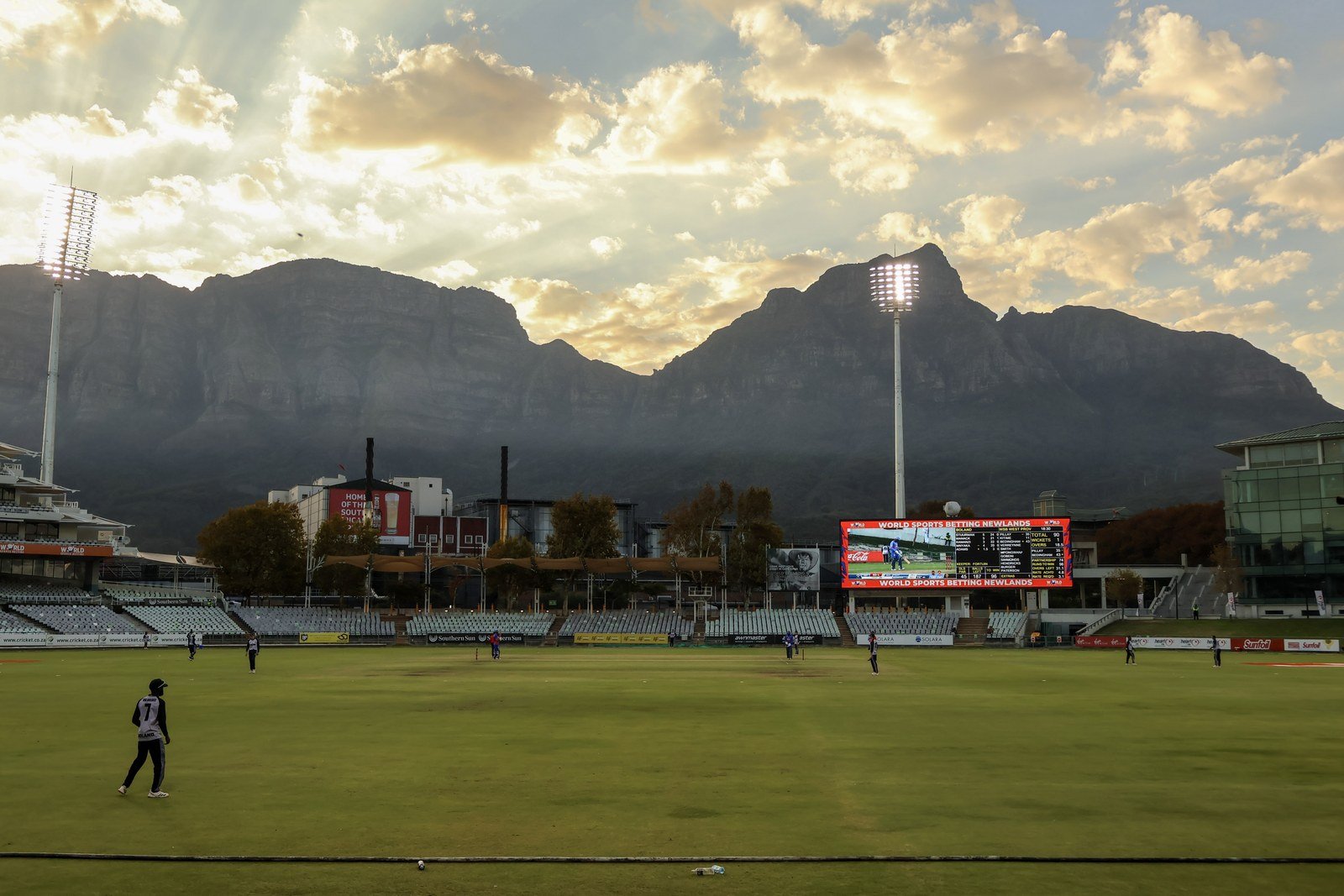
Newlands in Cape Town, beneath Table Mountain, the ground where Shoaib Akhtar bowled 161.3 km/h at the 2003 World Cup.
Photo: EGilham, CC BY-SA 4.0, via Wikimedia Commons
Injuries, especially to his knees, kept interrupting the career, which is why the totals look modest next to the legend: 46 Tests and 178 wickets, 163 one-day internationals and 247 wickets, and 15 T20 internationals. He retired after the 2011 World Cup. Pakistan’s record habit did not retire with him: Babar Azam became the fastest to 5,000 ODI runs in cricket history, and even the country’s veterans have kept winning, as Pakistan’s Over-40s side showed by beating Australia to lift their World Cup. But for the single fastest delivery, the name at the top of the list remains the Rawalpindi Express, and the speed remains 161.3.
Sources
- Guinness World Records listing, fastest delivery of a cricket ball (male), as recorded in Guinness World Records of Pakistan
- Fastest Ball in Cricket History: Shoaib Akhtar’s 161.3 km/h Record, Cricscope (drawing on ESPNcricinfo’s match record)
- Shoaib Akhtar, Wikipedia (career statistics sourced to ESPNcricinfo)
- Featured image: Shoaib Akhtar in 2014 (Doha Stadium Plus Qatar, CC BY 2.0, via Wikimedia Commons)
- In-body image: Newlands Cricket Ground, Cape Town (EGilham, CC BY-SA 4.0, via Wikimedia Commons)

Umar Farooq is the founder and editor of Good News Pakistan. An engineer by profession and a writer by passion, he started the site in December 2022 to share good news from Pakistan, and has since written and edited more than 200 articles about its people, sports, science, business and world records. He believes the story of Pakistan is bigger than its headlines, and that good news, told honestly, is worth telling every day.