

NUST ranked 3rd in Southern Asia in the QS Asia University Rankings 2026, climbing from joint sixth in the previous edition and finishing as the highest placed university in the region from outside India. The National University of Sciences and Technology also placed 68th across Asia as a whole and kept its position as Pakistan’s No. 1 university in the QS table, in an edition that assessed 1,526 institutions, 82 of them Pakistani.
NUST ranked 3rd in Southern Asia: the headline numbers
- Ranking: QS Asia University Rankings 2026, published by Quacquarelli Symonds (QS) on 4 November 2025
- Southern Asia position: 3rd, up from joint 6th in the 2025 edition
- Asia overall: 68th of 1,526 institutions
- Pakistan position: No. 1
- Ahead of NUST in Southern Asia: only the Indian Institutes of Technology in Delhi and Bombay
- Pakistani institutions in the edition: 82
QS divides its Asian table into sub-regions, and Southern Asia covers the universities of India, Pakistan, Bangladesh, Sri Lanka and Nepal, among others. Indian institutions dominate the sub-region’s top ten, taking seven of the places, which makes NUST’s third place a genuine outlier: the QS commentary on the 2026 table singles NUST out as the region’s top university outside India. The university’s own quality assurance summary records the same movement, third in Southern Asia, up from sixth last year, and 68th in Asia.
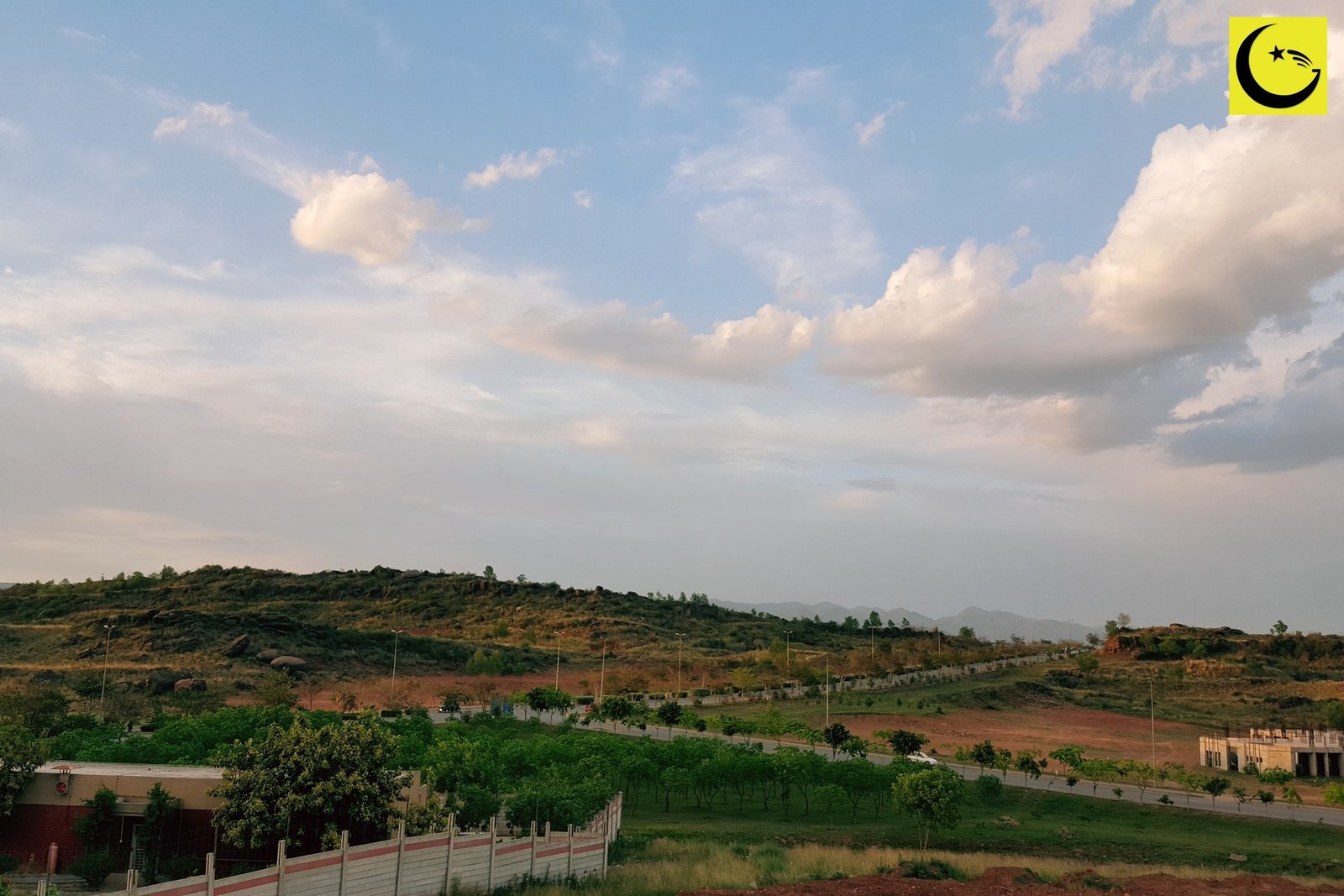
Photo: Saarahmmad via Wikimedia Commons, CC BY-SA 4.0
How the QS Asia ranking is built
The QS Asia University Rankings judge institutions on a basket of indicators adapted for the region. The heaviest weights sit on academic reputation and employer reputation, drawn from global surveys of scholars and hiring managers. Around them sit measures of teaching and research capacity: faculty-to-student ratio, citations per research paper, papers per faculty member, the share of staff holding a PhD, and the size and reach of an institution’s international research network. Internationalisation counts too, through the proportions of international students and faculty and the flows of exchange students in both directions. A university that climbs this table is therefore usually doing several things at once: publishing research that others cite, employing staff whose qualifications register internationally, and persuading employers across Asia that its graduates are worth hiring.
The climb: a decade of steady movement
NUST’s rise has been a long project rather than a single jump. By the university’s own reporting of past editions, it stood 91st in Asia in the 2018 rankings, improved to 74th in the 2022 edition and reached 67th in the 2023 edition, the fastest elevation by any Pakistani university across that span. In the QS Asia 2025 table it was the top ranked university from outside India in Southern Asia at joint sixth; a year later it has converted that into sole possession of third. The 2026 edition’s 68th place in Asia keeps it firmly inside the continent’s top 100, a band no other Pakistani university currently occupies in this table.
The regional result also sits alongside strength in the subject tables. As our earlier report described, NUST entered the world top 200 in four subjects in the QS World University Rankings by Subject 2025, led by its engineering and technology programmes. Subject depth of that kind feeds the citations and reputation scores that drive the Asia table, and it is one reason the university’s rise has been sustained across several editions rather than spiking once.
The university behind the ranking
NUST was founded in 1991 and has grown into a multi-campus university, with its main campus in Islamabad’s H-12 sector and constituent institutions in Karachi, Rawalpindi, Risalpur and Quetta. According to the university’s own figures, it is home to around 18,000 students and has produced more than 54,000 graduates, and it operates Pakistan’s first science and technology park, the National Science and Technology Park on its Islamabad campus, linking researchers with startups and industry. That research and innovation output is part of what rankings like QS measure, alongside teaching resources and international outlook, which helps explain NUST’s steady climb up the Asian table over the past decade.
Why Southern Asia third place matters
Sub-regional tables are where most students actually choose. A Pakistani student comparing options in South Asia, or an employer in the Gulf scanning the region’s universities, reads the Southern Asia list, and on that list, where NUST ranked 3rd in Southern Asia, it sits behind only two of India’s giant IITs and ahead of every other institution in India, Pakistan, Bangladesh, Sri Lanka and Nepal. For Pakistan, the ranking is also a proof point in a wider story about its universities’ international standing, the same story told by the country’s climb in research output that placed 41 Aga Khan University researchers among the world’s top 2 percent of scientists, and by Pakistan’s improved showing in the Global Innovation Index 2026, where university quality is one of the measured strengths.
NUST was founded in 1991 and runs its main campus in Islamabad’s H-12 sector, with constituent colleges in Karachi, Rawalpindi, Risalpur and Quetta, and it remains a young university by the standards of the institutions around it in the table. A third place in Southern Asia, held by a university barely three decades old, against institutes founded in the nineteenth and twentieth centuries, is the kind of ranking result this series exists to record.
More of Pakistan’s positions in world tables are gathered on our Pakistan World Rankings and Records page, which is updated as each new ranking lands.
Sources
- QS World University Rankings: Southern Asia 2026, QS TopUniversities
- QS Asian University Ranking, NUST Quality Assurance
- Rankings, NUST official website
- Photo: Saarahmmad via Wikimedia Commons, CC BY-SA 4.0

Umar is an engineer by profession and a passionate writer by passion. He has a deep interest in sharing good news related to Pakistan and has been working hard to promote the positive image of his homeland. Umar has written numerous articles on various topics related to Pakistan, such as technology, sports, culture, and economy.