

Forty-one Aga Khan University researchers have been named in the 2026 edition of the World’s Top 2% Scientists list, the annual Stanford University and Elsevier ranking of the most influential researchers on the planet. The figure, which includes 22 AKU alumni, is up from 28 in last year’s list, and the Aga Khan University researchers appear in greater numbers in both of the ranking’s two categories: those judged on the most recent single year of citations, and those judged on the impact of an entire career.
The numbers behind a record year for Aga Khan University researchers
The growth is striking in both directions at once. In the single-year rankings, which assess citation impact over the most recent calendar year, 33 Aga Khan University researchers feature, twelve more than in 2025. In the career-long rankings, which reflect the influence of a researcher’s work over decades, 23 AKU names appear, eleven more than the year before. Because many researchers appear in both lists, the combined unique total is 41 people: faculty and alumni of one university, headquartered in Karachi, standing inside the top 2 percent of all scientists worldwide.
To put the scale in perspective, the 2026 single-year list contains 249,310 authors drawn from the millions of researchers publishing across every field of science. Compiled country data shows 1,034 scientists affiliated with Pakistan on the single-year list and 321 on the career-long list. Within that national picture, AKU’s 41 researchers make it one of the largest single-institution contingents in the country, and its rise from 28 to 41 in one year is one of the fastest improvements recorded by any Pakistani institution.
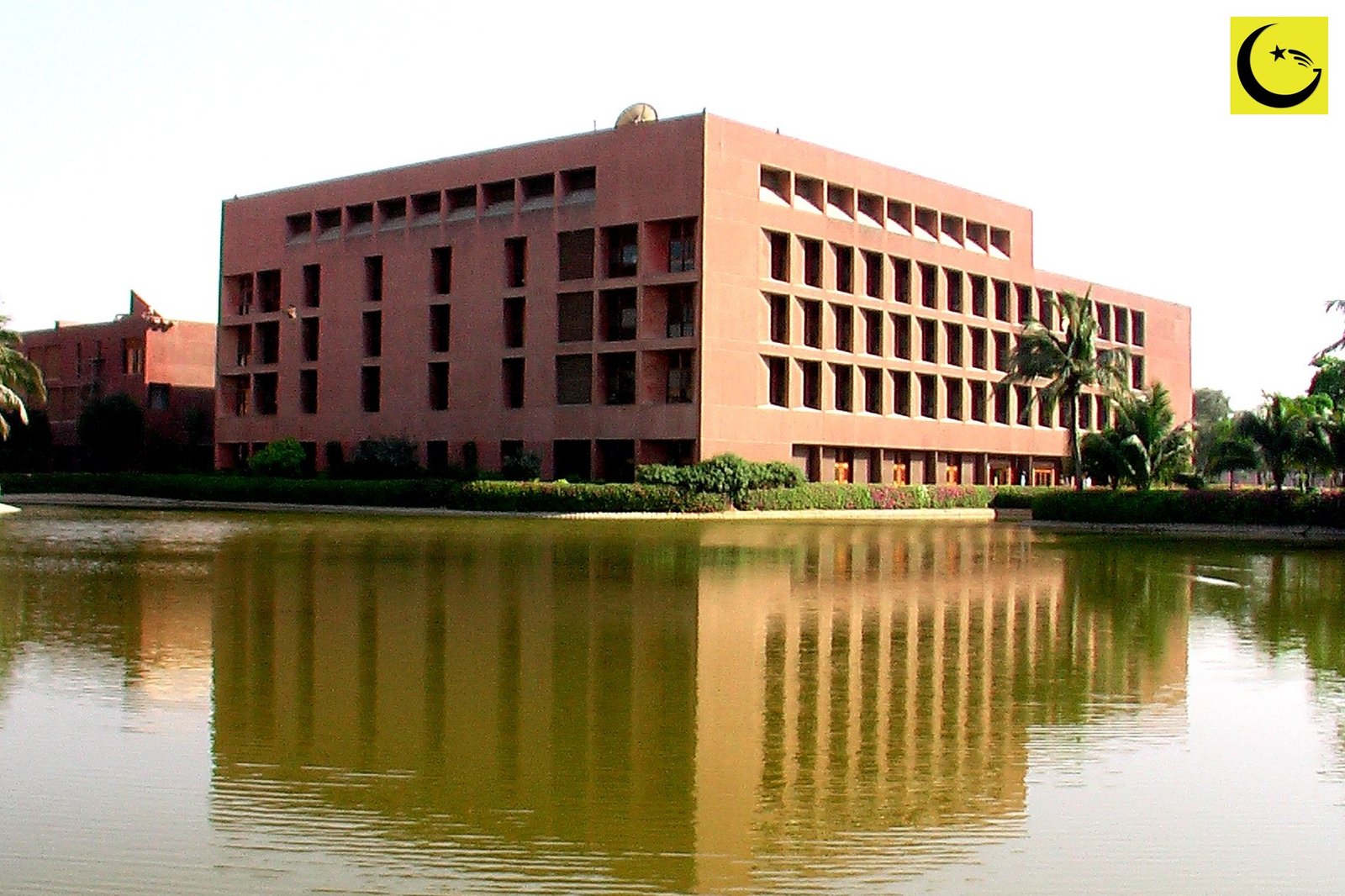
Photo: Kashif Mardani via Wikimedia Commons, CC BY 2.0
How the world’s top 2% scientists list works
The list is built from the science-wide author database maintained by a Stanford University team led by Professor John P. A. Ioannidis, using citation data from Elsevier’s Scopus database. Each researcher receives a composite score, known as the c-score, which combines total citations, the h-index, authorship position and other indicators designed to measure real influence rather than raw output. A scientist qualifies either by ranking in the top 100,000 worldwide by c-score, or by sitting in the top 2 percent of their own sub-field. The database covers 22 major scientific fields and 174 sub-fields, from clinical medicine to engineering, which is why a Karachi teaching hospital and a Nairobi campus can appear in the same table as Stanford and Oxford.
The two lists answer different questions. The single-year list shows whose work the world is citing right now, a measure of current momentum. The career-long list shows whose work has shaped a field over a lifetime. That AKU grew in both at the same time suggests depth as well as form: established figures still accumulating influence, and a younger generation arriving behind them.
The names at the top of the AKU contingent
The University’s list is led by one of the most cited child health researchers alive. Dr Zulfiqar A. Bhutta ranks 251st in the world for single-year impact and 421st for career-long impact, the highest positions held by any researcher based in Pakistan. Bhutta, who leads AKU’s Institute for Global Health and Development and its Centre of Excellence in Women and Child Health, has spent four decades working on newborn and child survival, nutrition and maternal health, research that has changed feeding and care guidelines used in low income countries around the world.
Behind him, cardiologist Dr Salim Shahbuddin Virani ranks 798th in the single-year list, followed by Dr Jai Kumar Das at 18,105, Dr Zohra S. Lassi at 21,942, Dr Adil Hussain Haider at 58,149 and pharmacologist Dr Anwar ul Hassan Gilani at 70,709. The career-long list adds names such as Dr Javaid Ahmed Khan and Dr Afia Zafar, alongside Bhutta, Virani and Gilani again. The contingent spans both of AKU’s main homes: several listed researchers, including obstetrician Dr Marleen Temmerman, microbiologist Dr Rodney Adam and public health researcher Dr Amina Abubakar, are based at AKU’s campus in Nairobi, Kenya, while the majority work in Karachi. Alumni account for 22 of the 41, a sign that the university’s research culture travels with its graduates.
Depth across the list, not just at its head
Below the headline names, the AKU contingent spreads across the disciplines a modern teaching hospital needs. In the single-year list, obstetrics and women’s health researcher Dr Rehana A. Abdus Salam ranks 92,037, cardiologist Dr Zainab Samad 133,420, paediatrician and infectious disease specialist Dr Farah Naz Qamar 185,265, surgeon Dr Saleem Islam 221,814, maternal health researcher Dr Sarah Saleem 263,226, epidemiologist Dr Muhammad Imran Nisar 305,858, nursing scholar Dr Tazeen Saeed Ali 362,126, paediatric infectious disease specialist Dr Syed Asad Ali 396,668, health systems researcher Dr Sameen Siddiqi 554,193 and neonatal specialist Dr Fyezah Jehan 762,456. A notable share of the names are women, reflecting AKU’s long investment in nursing and midwifery education and in female researchers in a country where women remain underrepresented in senior science.
The exercise itself has become an annual health check for world science. The Stanford team first published its standardised citation analysis in 2019, and the database has been updated every year since, with each edition drawing on a fresh Scopus snapshot. Universities watch their counts the way football clubs watch league tables, because research students, collaborators and funders all read them. AKU’s trajectory in the table, 26 names in the 2024 edition’s announcement (25 faculty and one alumnus), 28 last year and 41 now, is the profile of an institution compounding its research investment rather than enjoying a single lucky year.
Why health research carries Pakistan’s flag so often
It is no accident that Pakistan’s strongest showing in world science comes from medicine. AKU was founded in 1983 as Pakistan’s first private university, built around a teaching hospital in Karachi, and it chose research on the health problems of the developing world as its core mission. Its researchers work on the questions that matter most in places like Pakistan: why newborns die in the first month of life, how to prevent childhood stunting, how to manage heart disease in populations that cannot afford expensive care. Work of that kind is cited globally because the same questions face health systems across Asia and Africa.
The social return is visible at home as well. Karachi’s research and teaching hospitals anchor the country’s medical training, in the same city where the Sindh Institute of Urology and Transplantation provides the free care we profiled in SIUT Free Treatment: South Asia’s Largest Free Hospital. Recognition of this kind also strengthens Pakistan’s hand in attracting research funding and international partnerships, the inputs side of the innovation equation that our Quaid-i-Azam University QS Ranking 2027 report showed improving across the sector.
For the 41 Aga Khan University researchers named this year, the listing is a citation statistic. For Pakistan, it is something larger: proof that a university founded in Karachi just over forty years ago now produces science the whole world builds on. More results of this kind are gathered on our Pakistan World Rankings and Records page.
Sources
- 41 AKU researchers named among the world’s top 2% scientists, Aga Khan University
- AKU researchers among the world’s top 2% scientists, Aga Khan University research pages
- Pakistan’s top 2% scientists: country data compiled from the Stanford Elsevier database
- Photo: Kashif Mardani via Wikimedia Commons, CC BY 2.0

Umar is an engineer by profession and a passionate writer by passion. He has a deep interest in sharing good news related to Pakistan and has been working hard to promote the positive image of his homeland. Umar has written numerous articles on various topics related to Pakistan, such as technology, sports, culture, and economy.