

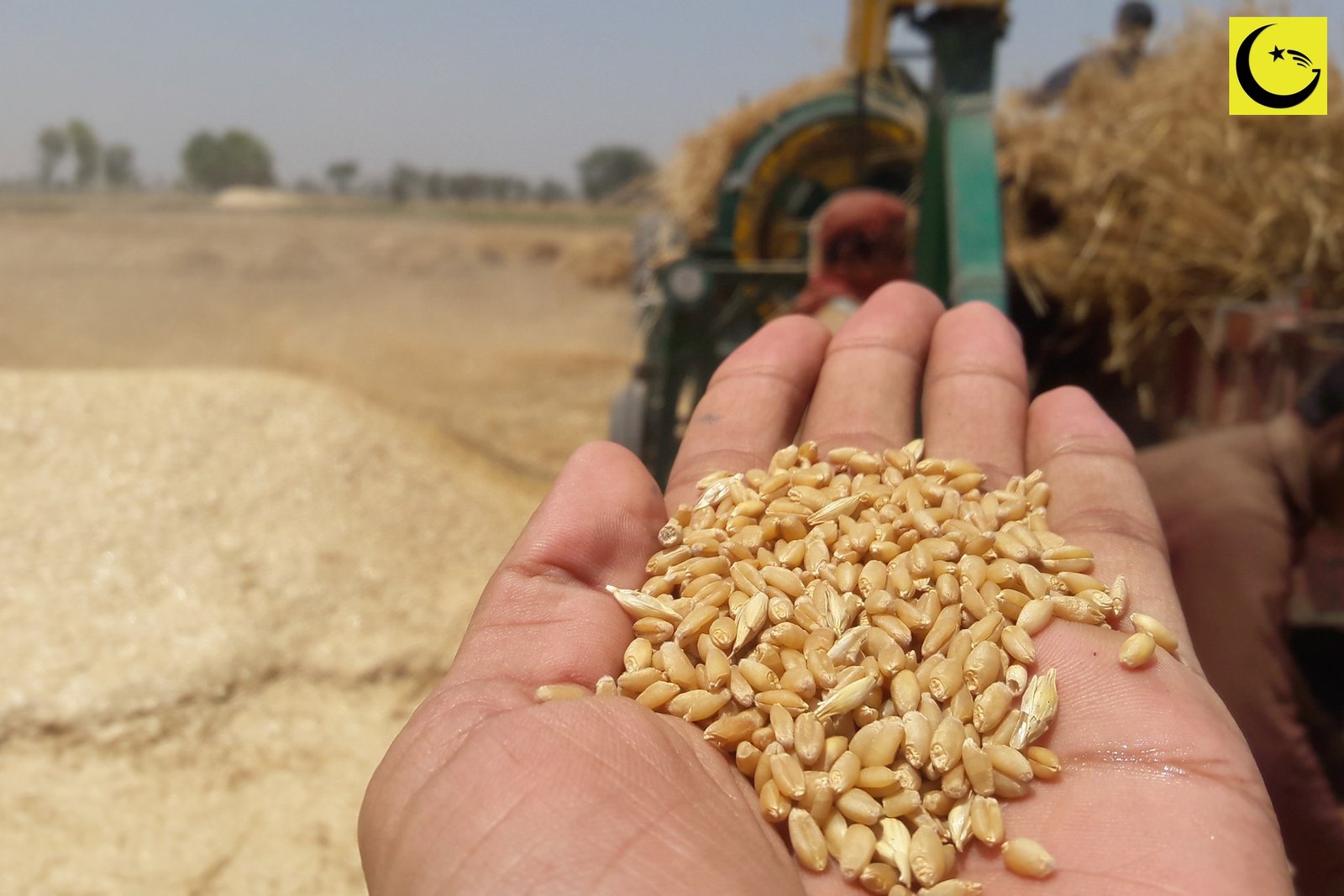
Pakistan has announced a new wheat support price of Rs4,500 per maund for the 2027 crop, raising the indicative rate by Rs1,000 from last year’s Rs3,500 and giving growers a firmer signal just as sowing gets under way across Punjab. Prime Minister Shehbaz Sharif approved the price on Friday, October 23, and a statement from the Prime Minister’s Office said the increase responds to the rising cost of growing the country’s most important food crop.
The Prime Minister’s Office said the higher price is meant to help farmers absorb higher fuel, fertiliser and other production costs, encourage more sowing and strengthen national food security. The prime minister noted that farmers have faced financial pressure from inflation and rising agricultural expenses, and that Pakistan has had to import wheat over the past two years. A stronger home harvest, the government hopes, would cut that reliance on imports, support farmer incomes and keep flour supplies steadier for households.
What the New Wheat Support Price Means for Growers
The jump from Rs3,500 to Rs4,500 per maund (40kg) is an increase of nearly 29 percent, equal to Rs112.50 for every kilogram of wheat. It arrives at the exact moment growers decide how much land to commit to wheat this season, with sowing already under way in Punjab and input bills, from urea and DAP fertiliser to diesel, running high. Fuel prices through October have added to those costs, which is why farmer groups had pressed for a decision before planting choices were locked in.
The new rate lands between the government’s previous benchmark and what farmers had asked for. The Pakistan Kissan Ittehad sought Rs5,000 per maund, and in August it put its detailed case at Rs4,702, based on an estimated production cost of Rs3,761 per maund plus a 25 percent margin. The government says the Rs4,500 figure is set so that farmers can recover their input costs and earn a reasonable profit. In a related step reported by Dawn, Sindh has approved releasing government wheat at Rs12,500 per 100kg bag from October 15, to support flour availability and prices while the new crop cycle begins.
Farmers Welcome the Rise, With One Condition
Farmer organisations have largely welcomed the announcement. Khalid Mahmood Khokhar, president of the Pakistan Kissan Ittehad, said fixing a reasonable support price is a positive step for food security that will encourage farmers to bring more land under wheat and lift production. He also made clear that the wheat support price on paper will not help by itself: in past seasons, growers were forced to sell below the official price to middlemen because government procurement centres did not operate effectively. He called on the federal government to decide in time and to prepare a complete wheat storage, financing and procurement plan with the provincial governments.
“Fixing a reasonable price for wheat is a positive step in the interests of farmers, but its benefits will materialise only if the government actively purchases the crop,” said Dr Rizwan Mahmood, secretary general of the Markazi Kisan League, urging prompt implementation and official procurement across all provinces. He warned that Pakistan could face serious food shortages in the coming months without adequate government reserves, and that leaving large stocks with private investors raises the risk of profiteering and further price hikes. Haji Ramzan of the Kisan Board Pakistan echoed the point, saying the rate should have been Rs5,000 and that farmers need a clear, transparent and farmer-friendly procurement mechanism so small growers are paid fairly without running from office to office.
A stronger note of caution came from Dr Ibrahim Mughal, chairperson of Agri Forum Pakistan, who argued that Rs4,500 still does not cover the sharply higher costs of fertiliser, diesel, seed and land rent, and so may not motivate farmers. “The government should fix the procurement rate at Rs5,000 per maund, otherwise it will have to import wheat,” he said, adding that buying at Rs5,000, or Rs125 per kg, would still allow flour to reach citizens at about Rs140 per kg. His warning underlines the stakes: get the incentives wrong, and an agricultural country ends up paying foreign farmers for a crop its own growers could produce.
Why Buying, Not Just Pricing, Is the Hard Part
Procurement dominates the reaction because of a recent policy shift. Since 2024-25, under commitments linked to the International Monetary Fund programme, the federal government has moved away from officially buying wheat at support prices, aiming to leave trade to the market while keeping emergency strategic reserves. The Rs4,500 figure has been described by the government as an indicative, proposed price, and it has not yet been announced whether federal or provincial food departments will buy wheat at that rate when the harvest arrives in April and May 2027.
The market backdrop shows why the decision matters beyond the farm gate. Wheat production rose 4.3 percent to about 29.6 million tonnes in the 2026 crop, official data show, yet flour prices climbed through the autumn, with open market wheat averaging around Rs5,437 per maund in early October. Punjab has approved a Rs10 billion flour subsidy this month, and steps such as Sindh’s government wheat release are aimed at keeping the daily roti within reach while the new price works through the system.
What Happens Next
The price still has to be formalised, and the federal and provincial governments are expected to spell out whether, how much and at what price they will buy. For now, the wheat support price announced on Friday gives growers the clearest planting signal they have had in two difficult seasons, and it fits the wider push to raise farm productivity described in the World Bank’s latest development update for Pakistan. A better wheat harvest would also strengthen the wider food economy, from flour mills at home to the exporters who recently carried Pakistani food products to SIAL Paris. If sowing responds as the government hopes, the 2027 harvest could mean steadier flour prices for families and a smaller wheat import bill for the country.
Sources
- The News, PM sets indicative wheat price of Rs4,500 per maund for 2027
- The News, Farmers welcome Rs4,500 wheat price, demand guaranteed buying
- The Lahore Times, Farmers back Rs4,500 wheat price but say procurement must follow
- Featured photo: Abubakar Adrees via Wikimedia Commons, CC BY-SA 4.0

Umar is an engineer by profession and a passionate writer by passion. He has a deep interest in sharing good news related to Pakistan and has been working hard to promote the positive image of his homeland. Umar has written numerous articles on various topics related to Pakistan, such as technology, sports, culture, and economy.