

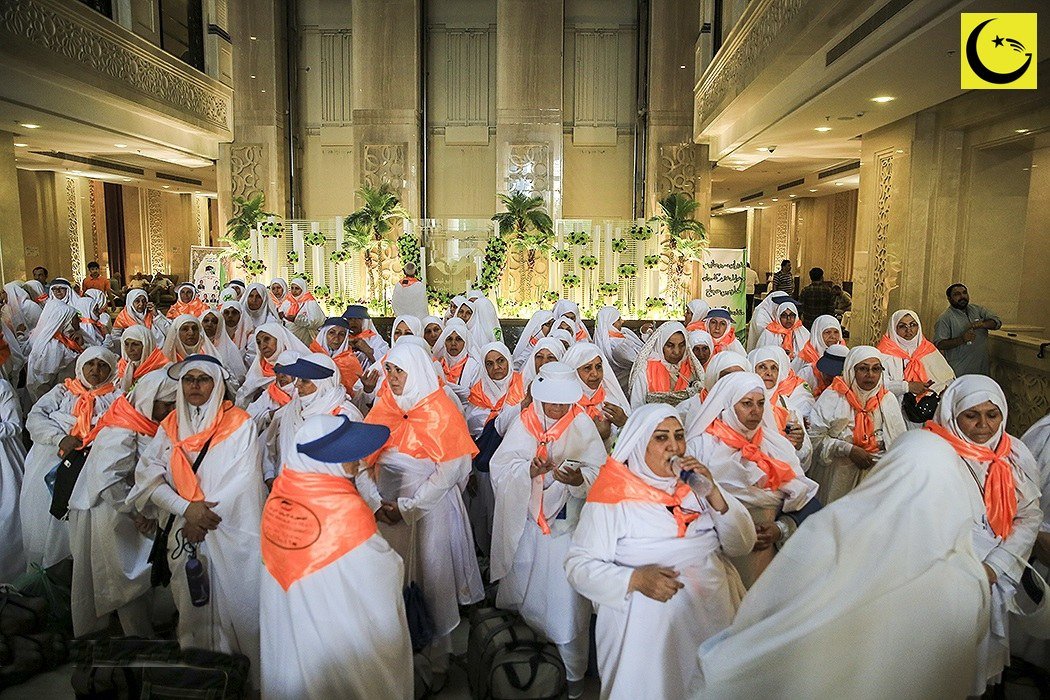
For years, the first question a Pakistani woman asked about Umrah was about a mahram, a male guardian, and whether she could travel at all. The rules have changed, and this guide sets out the current position for women travelling for Umrah from the most authoritative sources available, then covers the practical questions that follow: groups, operators, permits and safety.
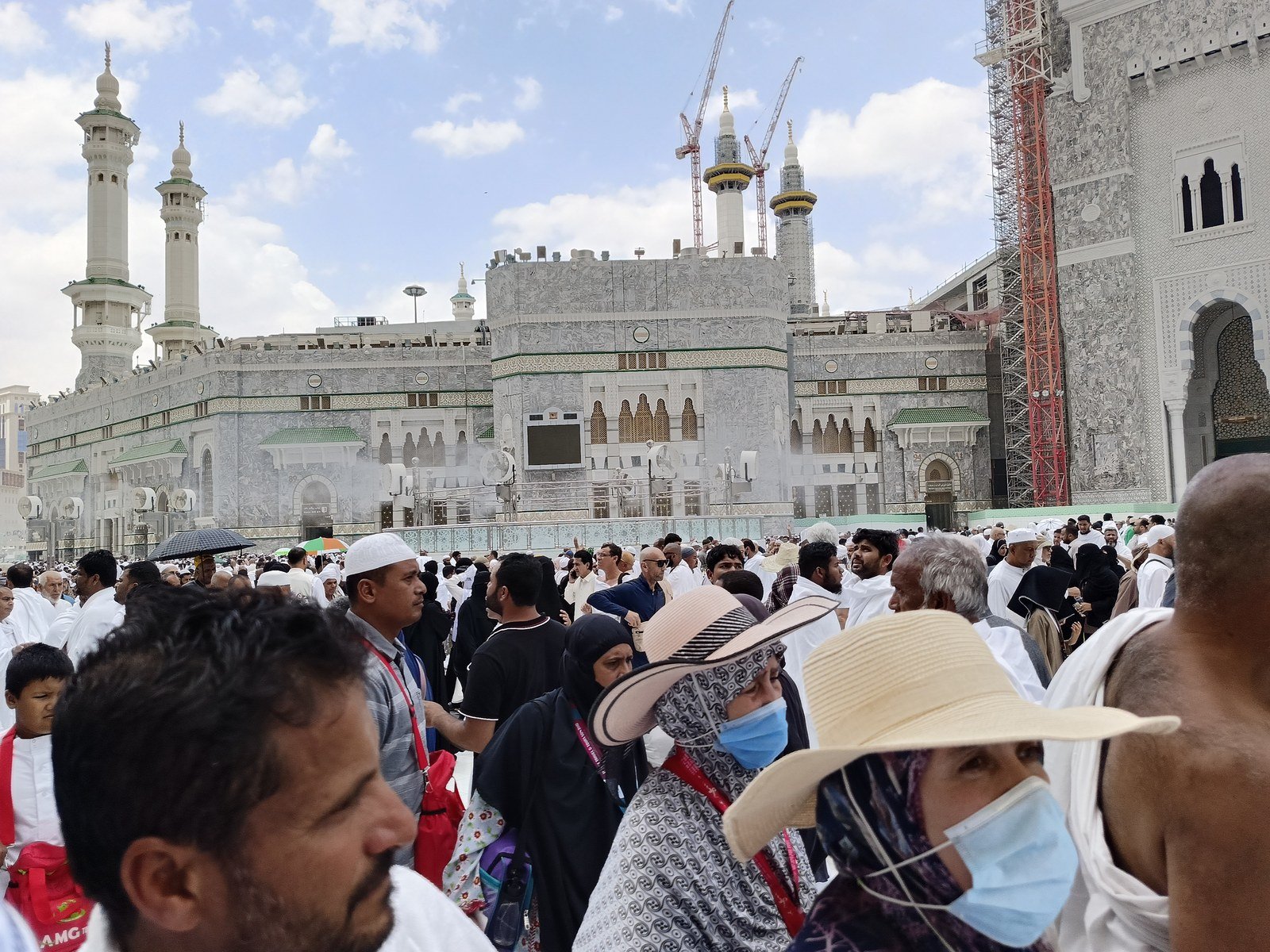
Photo: Indonesiagood via Wikimedia Commons, CC BY 4.0
The mahram rule today, from official sources
Saudi Arabia no longer requires a woman to be accompanied by a mahram to obtain an Umrah visa or to perform Umrah. The Saudi Ministry of Hajj and Umrah’s official FAQ answers the question directly: asked whether a woman is allowed to come to perform Umrah without a mahram, the Ministry answers yes, it is allowed. The change was announced publicly in October 2022 by the Minister of Hajj and Umrah, Dr Tawfiq Al-Rabiah, who stated that a mahram is no longer required to accompany a woman pilgrim coming from any part of the world, a statement reported by the Saudi Gazette and Arab News. Government of Canada travel advice, updated in August 2026, puts the practical position plainly for its own citizens: women of all ages may travel without a mahram for Hajj or Umrah, and a notarized letter of no objection from a mahram is no longer required. In short, for women aged 18 and over, the visa is issued on the same terms as a man’s.
Why some Pakistani operators still ask for mahram paperwork
Rules on the ground change more slowly than rules on paper. Some operators in Pakistan still organise women only into family groups, or ask for a mahram’s details out of habit, commercial caution or their own company policy. That is the operator’s policy, not Saudi law, and it is worth knowing the difference when you shop around: if one operator refuses your booking as a woman travelling without a mahram, another MORA-attested operator will accept it, because the visa system itself does not block you. Do not, however, confuse the visa question with the religious one. Scholars differ on the fiqh of a woman travelling without a mahram, and that is a matter of conscience to settle with a scholar you trust. The state’s administrative answer is clear; the personal decision remains yours and your family’s.
Your real options: solo, women-only group, or family group
Most Pakistani women choose one of three shapes. Travelling solo on a private package gives total freedom over dates and hotels and suits confident repeat pilgrims. A women-only group, run by several Pakistani operators, pairs you with female companions and often a female group leader, and is the choice many first-timers make for the reassurance of company at every step, from the airport to the ziyarat bus. A family group travels with relatives, related or unrelated families sharing one departure. All three are bookable on the same visa. Whichever you choose, the permits are identical: your Umrah permit and your Rawdah slot are booked in the Nusuk app under your own name, and in Madinah women enter the Rawdah at their own designated times through their own gates.
Dress, ihram and children: the remaining details
A woman’s ihram is her ordinary modest dress: an abaya and headscarf, with the face left uncovered during the rites themselves, following the well-known instruction that a woman in ihram does not wear the niqab or gloves; many women use a cap or a brim that shades the face without touching it, a practical detail worth arranging before you fly. Mothers travelling with children should know that young children are welcome throughout both mosques, that a lightweight stroller earns its luggage space many times over on the long marble floors, and that children’s documents travel in the mother’s bag, with copies in the father’s or group leader’s as well.
Safety and practical advice
The Two Holy Cities are, by any measure, among the safest places a woman can travel, and millions of women perform Umrah every year. Ordinary prudence still applies. Stay in hotels close to the mosques so your walks are short and on lit, crowded streets. Keep your phone charged, share your live location and hotel with family in Pakistan, and keep photographs of your passport, visa and permits in the phone and a paper copy in your bag. Use official taxis or reputable ride apps rather than unmarked cars, and agree fares before long rides. Keep your operator’s and group leader’s numbers saved, and know your hotel’s name in Arabic for the one taxi driver who needs it. Inside the mosques, the women’s sections are extensive and well organised; mosque staff in the women’s areas can help with everything from Rawdah queues to a lost sandal.
However you travel, plan the costs with our Umrah packages from Pakistan guide, protect yourself with the checks in our free Umrah lucky draw reality check, and set up your permits using our Nusuk guide to the official app.
Sources
- Saudi Ministry of Hajj and Umrah: official FAQ (women and mahram)
- Government of Canada: Saudi Arabia travel advice (updated August 2026)
- Photo: Mohammad Hossein Velayati via Wikimedia Commons, CC BY 4.0
- Photo: Indonesiagood via Wikimedia Commons, CC BY 4.0

Umar Farooq is the founder and editor of Good News Pakistan. An engineer by profession and a writer by passion, he started the site in December 2022 to share good news from Pakistan, and has since written and edited more than 200 articles about its people, sports, science, business and world records. He believes the story of Pakistan is bigger than its headlines, and that good news, told honestly, is worth telling every day.