

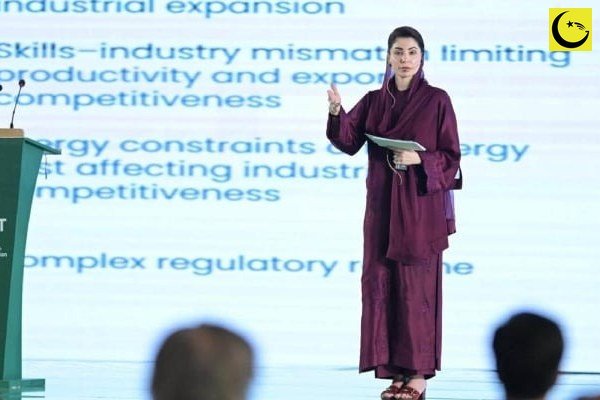
Punjab has launched the biggest provincial economic programme in its history, the Punjab PIVOT Plan for 2026 to 2029, a Rs1,995.3 billion package that aims to add 6.8 billion dollars to exports, create 162,000 direct jobs and train 402,060 people over three years. Chief Minister Maryam Nawaz unveiled the plan and its STEP portal in Lahore on Friday, 30 October 2026, in front of the State Bank governor, business council members and leading industrialists.
Punjab PIVOT Plan in numbers
- Total package: Rs1,995.3 billion (about Rs2 trillion) for 2026 to 2029
- Public investment: Rs1,089 billion from the Punjab government
- Private investment target: Rs906 billion
- Export target: an extra 6.8 billion dollars in exports
- Jobs target: 162,000 additional direct jobs, with better livelihoods for over one million people
- Skills target: training for 402,060 people over three years
- Industry allocation: Rs753.7 billion to strengthen the industrial sector
- Cheap finance: Rs300 billion in concessional loans at zero to five per cent under the STEP programme
The Punjab PIVOT Plan, short for Punjab Innovation for Value, Opportunity and Transformation, is the province’s first programme of its kind. The provincial cabinet approved its main features on 19 October, and the formal launch followed on 30 October, so the plan should be read as a programme that has just started, with its targets set for the three years to 2029.
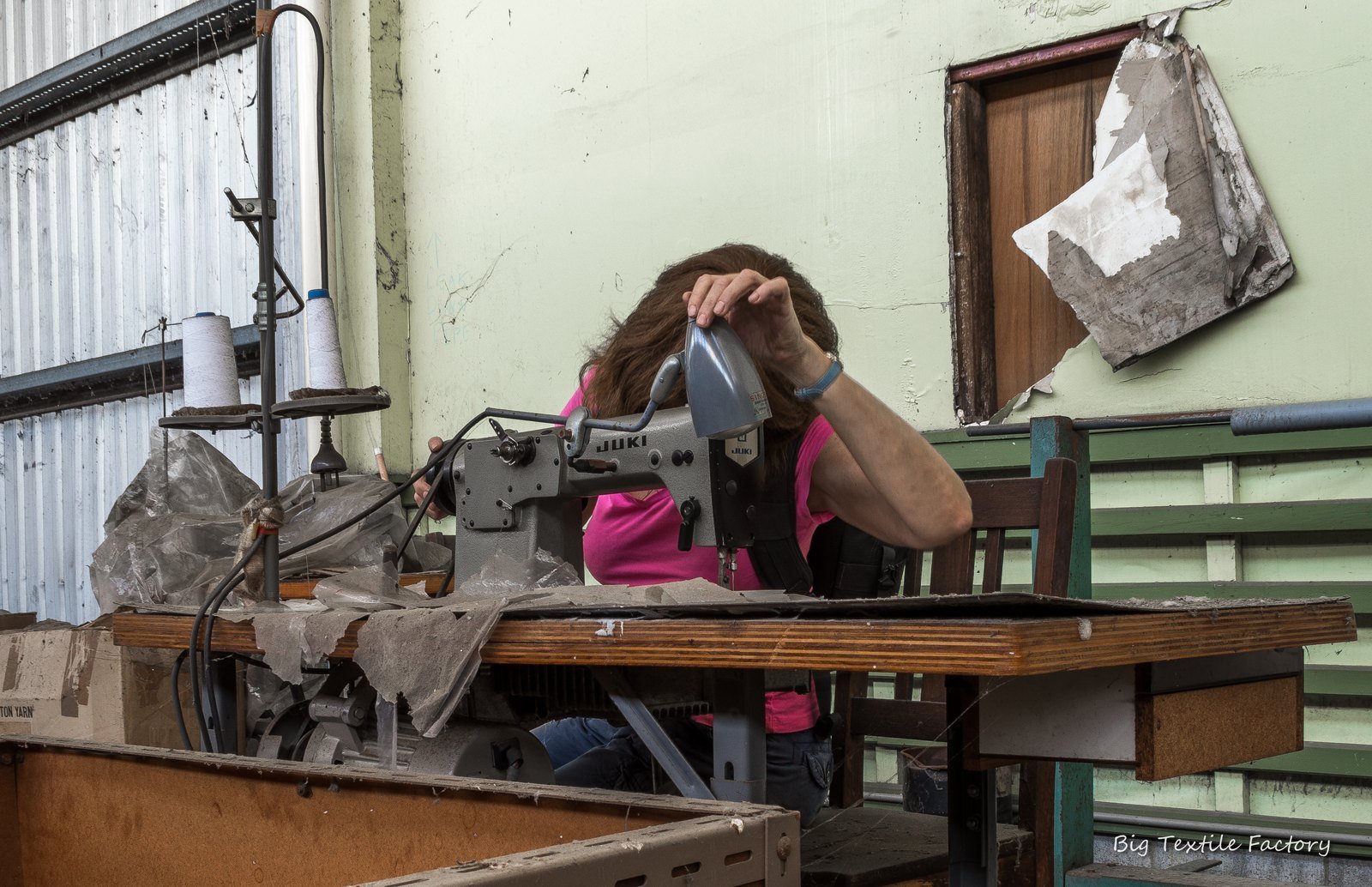
Photo: darkday, via Wikimedia Commons
Where the money is meant to go
The largest single share, Rs753.7 billion, goes to industry. The plan names the manufacturing sectors Punjab already sells to the world: garments and textiles, sports goods, leather and footwear, pharmaceuticals, fans, cutlery, steel and ceramics. For these sectors it promises testing and certification support, machinery duty refunds and help with the high energy costs that factory owners raise in almost every meeting with government, including support for solar power and battery storage.
Agriculture gets a value-addition push rather than a raw commodity push. Four specialised agro-processing parks are planned in Sargodha, Khanewal, Okara and Bhakkar for fruit processing, cold storage and grading, alongside farm mechanisation, meat and dairy processing, disease prevention and export financing for horticulture. Aquaculture projects, including shrimp farming, are meant to add a new export line.
Tourism and skills complete the picture. Investment opportunities are planned around historical and religious sites, Lahore’s night-time economy, the Potohar region and Cholistan, while the skills component covers digital skills, IT internships, internationally recognised certifications and start-up incubation, aimed at matching young people to both domestic industry and overseas labour markets. The skills and start-up side of the plan sits alongside national efforts such as the World Bank-backed Fund of Funds for Pakistani start-ups, which is also still at proposal stage.
How the plan will be run
Delivery has been given a structure from day one. A PIVOT secretariat will sit in the Planning and Development Department, a dedicated cell will operate from the Chief Secretary’s office, and deputy commissioners will act as focal persons in their districts. Senior Minister Marriyum Aurangzeb, who will preside over the PIVOT Board on the chief minister’s behalf, said turning the concept into a working programme within six months reflected the government’s intent to move quickly.
State Bank Governor Jameel Ahmad used the launch to report that SME financing had grown 61 per cent to Rs1.1 trillion by June 2026, reaching nearly 326,000 borrowers, and set a target of Rs2 trillion and 775,000 borrowers by fiscal year 2028. That credit growth is the foundation the plan’s cheap STEP loans are meant to build on. Business leaders at the launch, including Mian Mansha and Arif Habib, publicly welcomed the programme and pledged support.
Targets, not results, and why they still matter
Honest framing matters here: every figure in the Punjab PIVOT Plan is a government target, not a result already achieved, and the full plan document with year-by-year schedules has not been published yet. What has been published is the money split, the sector list, the financing window and the delivery structure.
Even so, the launch matters for two reasons. First, Punjab produces the bulk of Pakistan’s exports in textiles, sports goods and surgical instruments, so a provincial export push of this size is a national story, not a local one. Second, the plan arrives as Pakistan’s measured performance is already improving in areas the plan targets: the country recently climbed to 95th in the Global Innovation Index and regained overperformer status, and programmes such as She’s Next are putting grant money directly into women-led businesses. If the PIVOT machinery delivers even part of its export and jobs targets by 2029, it will show up in those national numbers.
Sources
- The News: Maryam unveils Rs2tr economic plan (launch report, 30 October 2026)
- TechJuice: Punjab CM Maryam Nawaz launches Rs1.99 trillion PIVOT economic plan
- Featured image: Maryam Nawaz addressing the PIVOT launch ceremony in Lahore on 30 October 2026. Photo: The News
- In-body image: workers at a large textile factory. Photo: darkday, via Wikimedia Commons

Umar is an engineer by profession and a passionate writer by passion. He has a deep interest in sharing good news related to Pakistan and has been working hard to promote the positive image of his homeland. Umar has written numerous articles on various topics related to Pakistan, such as technology, sports, culture, and economy.