

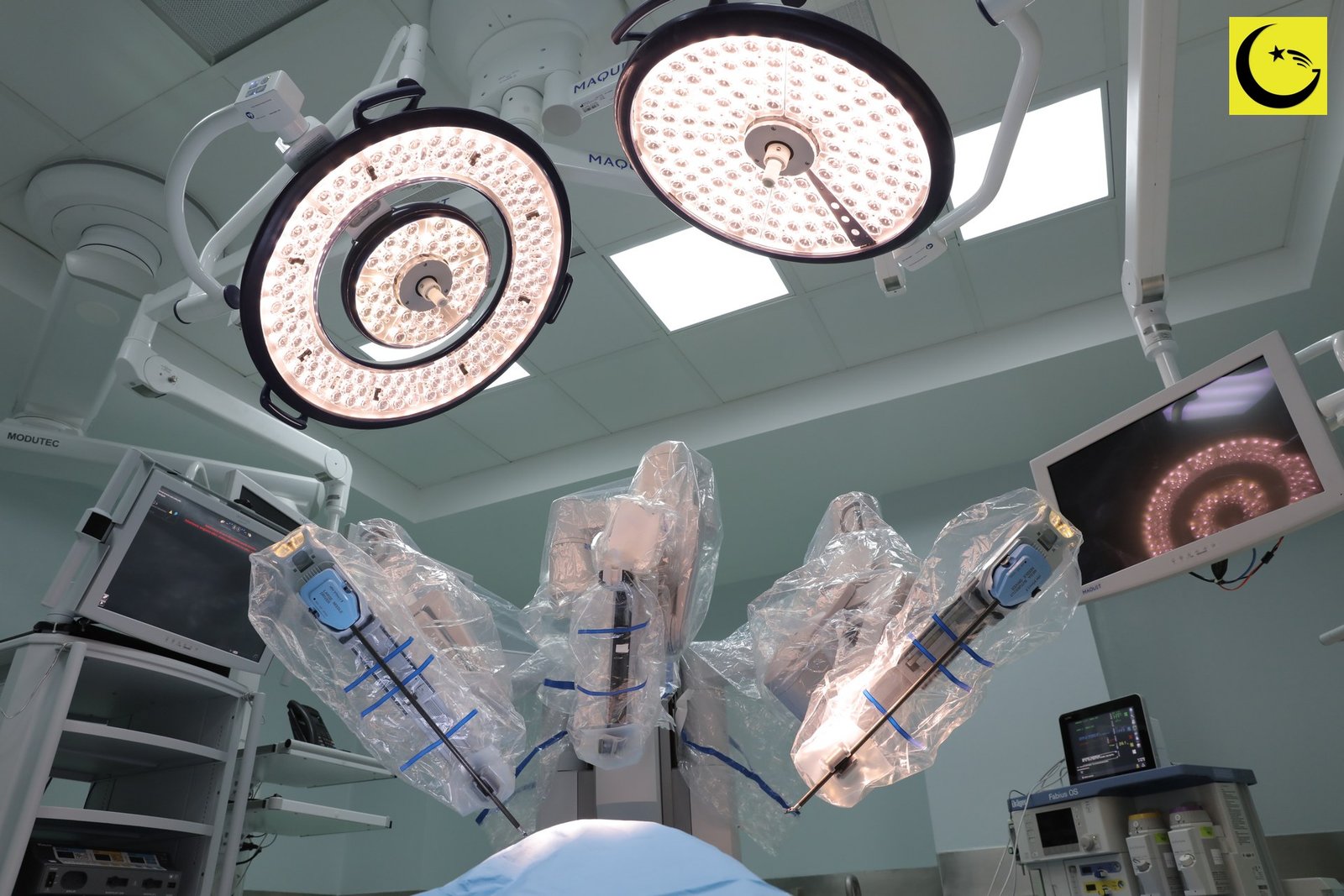
Islamabad has recorded its first robotic gallbladder surgery performed through telesurgery, after Prof. Dr. Syed Tanseer Asghar removed a patient’s gallbladder while sitting at a conference venue across the city. Asghar, a robotic surgeon and the Registrar of Shaheed Zulfiqar Ali Bhutto Medical University (SZABMU), worked the surgical console at the International Conference on Future of Healthcare (FHCC 2026) while the patient lay in an operating theatre at Kulsum International Hospital, according to a university statement reported by The News and Pakistan Observer on 31 October 2026.
- Surgeon: Prof. Dr. Syed Tanseer Asghar, Registrar of SZABMU
- Console location: FHCC 2026, Gandhara Heritage and Culture Centre, Islamabad
- Patient location: Kulsum International Hospital, Blue Area, Islamabad
- Patient-side surgeon: Dr. Sana Sharafat Ali, consultant robotic and vascular surgeon
- Procedure: robotic cholecystectomy (gallbladder removal) performed over a live link
How the Robotic Gallbladder Surgery Worked
In a robotic gallbladder surgery of this kind, the surgeon does not stand over the patient at all. He sits at a console, watching a magnified view from cameras inside the abdomen, and moves controls that steer robotic arms beside the patient. In telesurgery, the console and the patient are in different places, joined by a live connection fast and stable enough for the arms to answer the surgeon’s hands in real time. That is what SZABMU demonstrated in Islamabad: the console stood in the Gandhara Heritage and Culture Centre, where health professionals had gathered for FHCC 2026, and the robotic arms worked at Kulsum International Hospital, a cardiac and general hospital run by the Saif Group in the city’s Blue Area.
The demonstration was a team procedure, not a solo trick. Dr. Sana Sharafat Ali, a consultant robotic and vascular surgeon, led the patient-side team at Kulsum, the surgeons and staff who prepare the patient, position the robotic arms and stand ready to take over in person if anything goes wrong. Telesurgery always keeps that human safety net beside the patient; the remote surgeon’s skill travels, but the responsibility at the bedside never leaves the room.
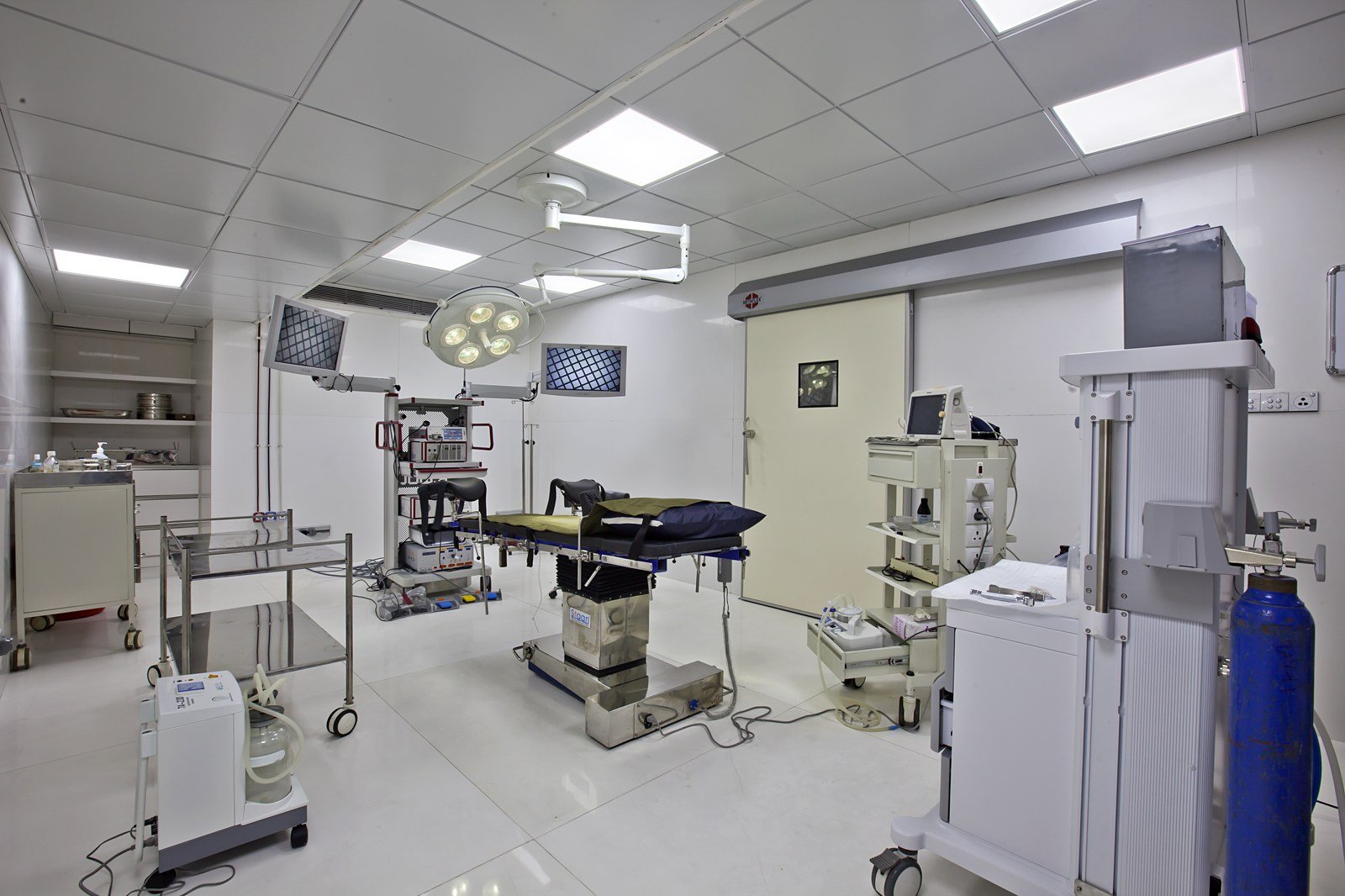
Photo: Dr.jayesh amin, via Wikimedia Commons
A Capital First, Not a Country First
Precision matters here, because Pakistan has seen remote robotic surgery before. In December 2025, surgeons sitting in Kuwait operated on a woman at Karachi’s Lyari General Hospital, about 1,600 kilometres away, in what Sindh officials and the Express Tribune described at the time as the country’s first cross-border telerobotic surgery. In February 2026, urologists at Cleveland Clinic Abu Dhabi also operated on a patient inside Pakistan from a console in the Emirates. The Islamabad case is different in one important way: both ends of the operation, the surgeon’s console and the patient’s bedside, were inside Pakistan, and it is the first such robotic gallbladder operation performed through telesurgery in the capital. It shows the capability taking root at home rather than being borrowed across a border.
R E A D M O R E
Pakistan and Canada Sign MoU on Postgraduate Medical Education in Ottawa
What Telesurgery Could Change for Patients
The promise of the technology is reach. Pakistan’s specialist surgeons cluster in a few big cities, while patients in smaller towns face long journeys for advanced operations. A proven console-to-hospital link means an expert in Islamabad could, in time, operate on a patient in a distant district hospital without either of them travelling. That sits alongside wider efforts to widen access to care, from provincial schemes that give free healthcare to millions in Khyber Pakhtunkhwa to new training partnerships. The honest cautions are cost, connectivity and training: robotic systems are expensive, the link can never be allowed to fail mid-operation, and patient-side teams need deep practice before any of this becomes routine.
A Robotic Surgery and AI Centre Is Next
SZABMU is treating the demonstration as a beginning rather than a finale. Vice Chancellor Prof. Dr. Tanwir Khaliq, himself a surgeon, announced that the university has secured approval for its first Robotic Surgery and Artificial Intelligence Health Centre, which would give trainees a permanent home for these skills. It is the same direction as Pakistan’s recent medical education agreements with China: build the teaching base first, and the advanced procedures follow. For one patient in Islamabad, though, the future has already arrived once, in the form of a gallbladder removed by a surgeon who was never in the room.
Sources
- SZABMU statement on the FHCC 2026 telesurgery demonstration, as reported by The News International and Pakistan Observer, 31 October 2026
- Focus Pakistan: Robotic Surgery in Islamabad, Doctor Removes Gallbladder Remotely
- Islamabad Scene: Pakistani Surgeon Performs First Remote Robotic Gallbladder Surgery in Islamabad
- The Express Tribune, on the December 2025 Kuwait to Lyari General Hospital cross-border telerobotic operation
- Featured image: A robotic surgical system stands ready in an operating theatre. Photo: Hospitalhoms, via Wikimedia Commons (CC BY-SA 4.0)
- In-body image: A modern laparoscopic operating theatre. Photo: Dr.jayesh amin, via Wikimedia Commons (CC BY-SA 3.0)

Umar Farooq is the founder and editor of Good News Pakistan. An engineer by profession and a writer by passion, he started the site in December 2022 to share good news from Pakistan, and has since written and edited more than 200 articles about its people, sports, science, business and world records. He believes the story of Pakistan is bigger than its headlines, and that good news, told honestly, is worth telling every day.