

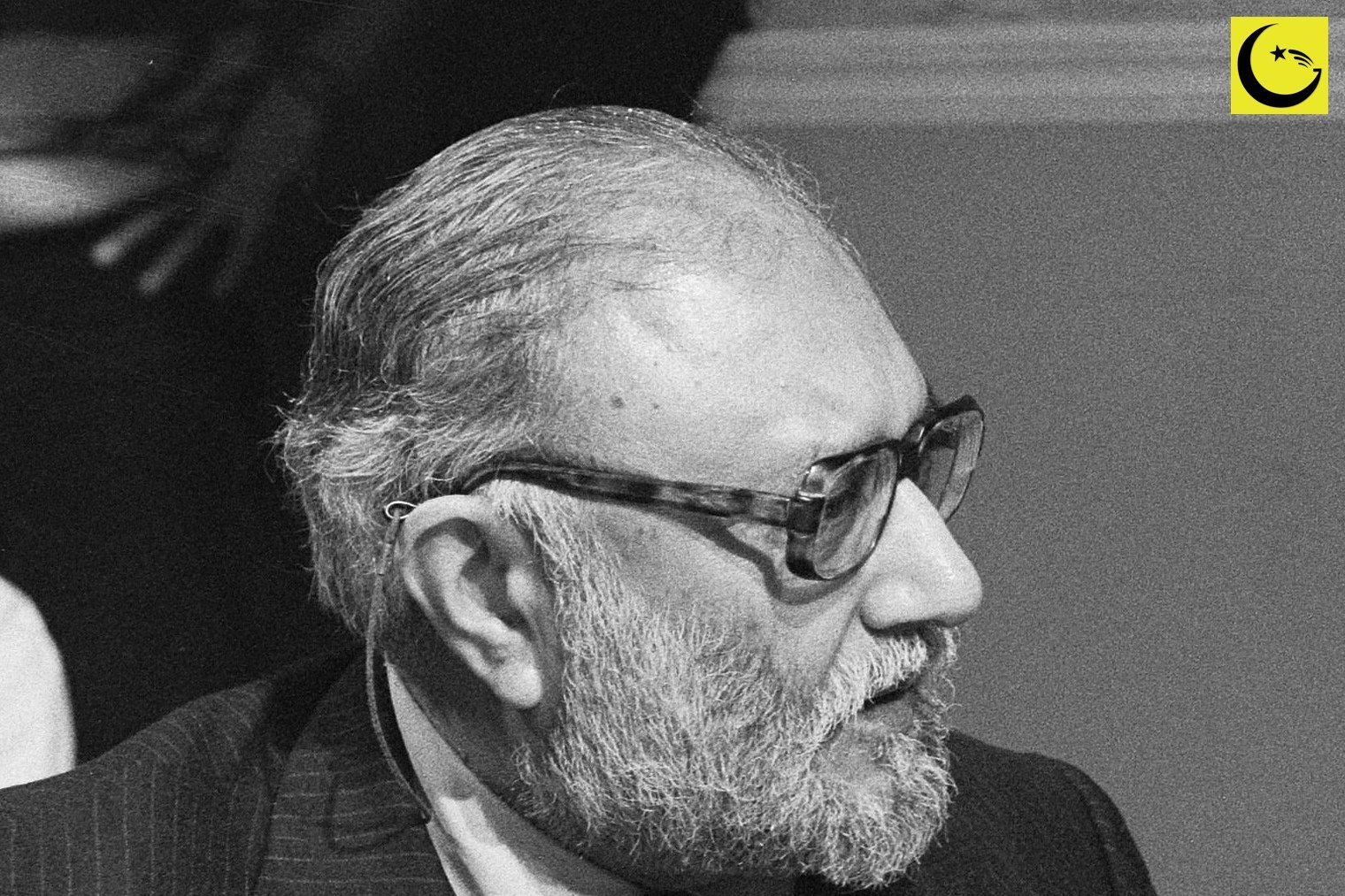
SUPARCO history begins on 16 September 1961, when Pakistan established its space agency just 14 years after independence. It was one of the earliest space agencies in Asia, created for peaceful space research, and its first chairman was the country’s most famous scientist, Professor Abdus Salam.
Pakistan was not rich in 1961. It had no rockets, no satellites and no space scientists of its own. What it had was Salam’s conviction that a young country could not afford to sit out the space age, and a president, Ayub Khan, willing to act on that advice after his visit to the United States that year. SUPARCO began life as a Space Sciences Research Wing inside the Pakistan Atomic Energy Commission. It became independent of the commission in 1964 and a separate organisation in its own right in 1966, and the SUPARCO history that followed has carried it from sounding rockets to satellites of its own design. Today it is headquartered in Islamabad and remains Pakistan’s national space agency.
First, Learn From NASA
The new agency’s first job was to create the people it needed. A group of young Pakistani engineers and scientists was sent to the United States in 1961 to train at NASA facilities, learning how sounding rockets were built, launched and tracked. The flight programme itself was led on the ground by Air Commodore W. J. M. Turowicz, a Polish born officer of the Pakistan Air Force who became one of the founding figures of the programme.
The training worked quickly. At the Sonmiani range on the Balochistan coast, the young team prepared a two-stage Nike-Cajun sounding rocket, a workhorse American design used for studying the upper atmosphere. Sounding rockets do not reach orbit; they arc high above the Earth, take measurements on the way up and down, and fall back. In 1961, simply launching one successfully placed a country in a very small club.
June 1962: Rehbar-I and a Place in the Record Books
In June 1962, less than a year after the agency was founded, Rehbar-I rose from Sonmiani into the upper atmosphere, and Rehbar-II followed within days. With those flights, Pakistan became the third country in Asia and the tenth in the world to conduct a successful sounding rocket launch. The data the rockets gathered, on winds and conditions high above the Earth, served the practical purpose the programme was created for: understanding the weather and the upper air above Pakistan.
SUPARCO is often described as the first space agency in South Asia, and the dates support the description: it was set up eight years before India’s space organisation ISRO, founded in 1969. For a country only 14 years old, short of money and still building its first universities, it was an extraordinary start.
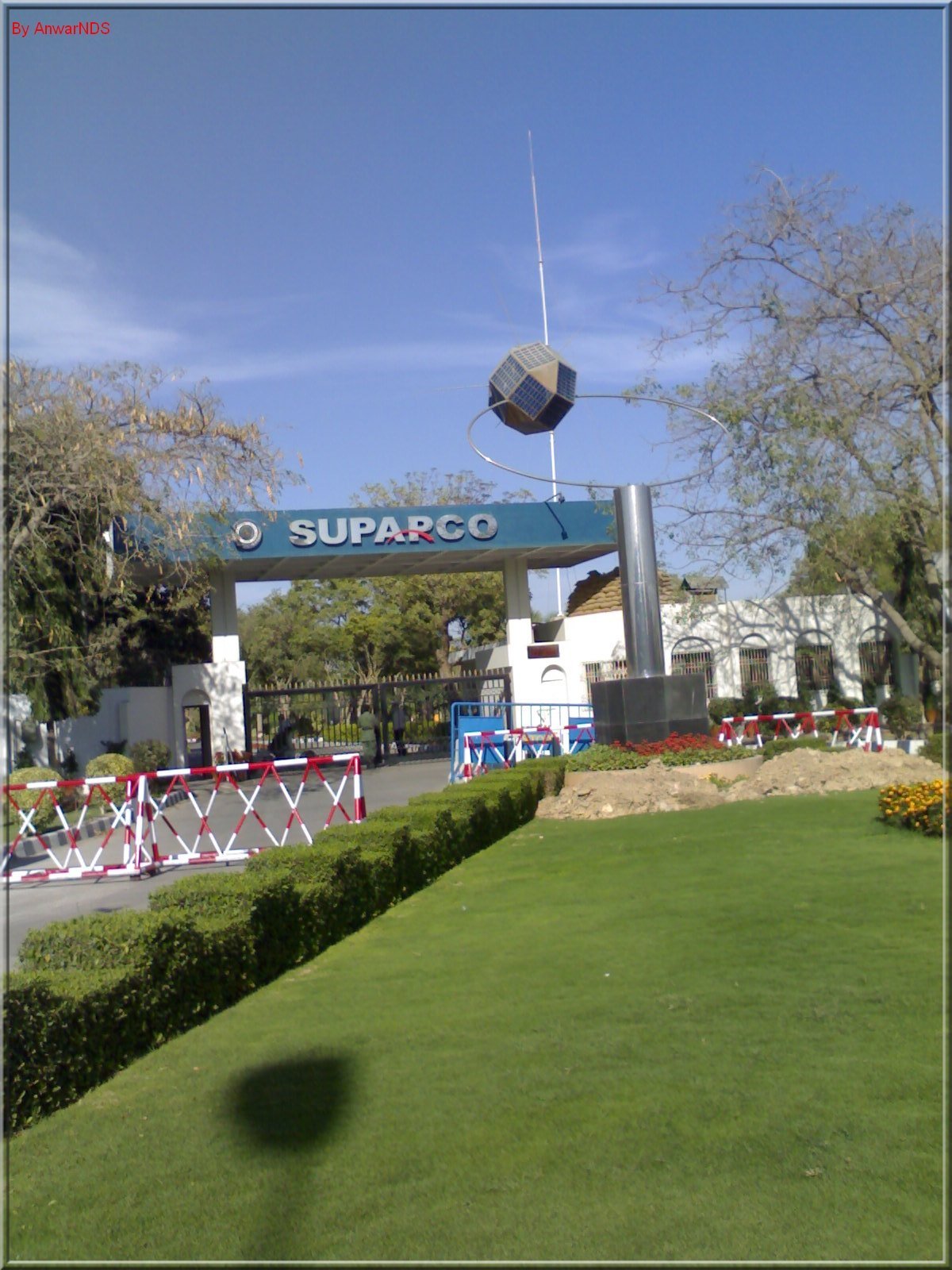
A SUPARCO facility in Karachi (file photo); the agency is headquartered in Islamabad today
Photo: Anwar Ahmed, CC BY-SA 3.0, via Wikimedia Commons
R E A D M O R E
Abdus Salam Nobel Prize: How a Boy from Jhang Became Pakistan’s First Nobel Laureate
Badr-1: Pakistan’s First Satellite, 1990
The leap from sounding rockets to satellites took a generation. Badr-1, named after the Battle of Badr, was designed and built by SUPARCO engineers working with the Amateur Radio Society of Pakistan. It was originally meant to fly aboard an American space shuttle, a plan that was lost when the Challenger disaster grounded the shuttle fleet in 1986 and delayed the little satellite for years.
Instead, Badr-1 was launched on 16 July 1990 from Xichang in China, riding a Chinese Long March 2E rocket into orbit. The small experimental satellite completed its designed life and gave Pakistan its first experience of building, launching and operating a spacecraft. A second satellite in the series, Badr-B, followed in December 2001, carrying instruments for imaging and radiation measurement.
SUPARCO History in Dates
- 16 September 1961: SUPARCO is established, with Professor Abdus Salam as its first chairman.
- June 1962: the Rehbar-I and Rehbar-II sounding rockets are launched from Sonmiani.
- 16 July 1990: Badr-1, Pakistan’s first satellite, reaches orbit.
- December 2001: Badr-B follows.
- January 2025: PRSC-EO1, Pakistan’s first fully indigenous electro-optical satellite, is launched.
That last line connects the founding story to the present day: our report on the PRSC-EO1 satellite covers the modern constellation that the 1961 agency grew into. This fact is part of our Amazing Facts About Pakistan series, which collects one verified fact about the country every day.
Sources
- SUPARCO, Pakistan’s national space agency
- Encyclopedia (MDPI), Pakistan Space and Upper Atmosphere Research Commission
- Featured image: Professor Abdus Salam in 1987; his advice led to the founding of SUPARCO in 1961 and he was its first chairman (Bart Molendijk / Anefo, CC BY-SA 3.0 NL, via Wikimedia Commons)
- In-body image: A SUPARCO facility in Karachi, photographed in 2012 (file photo) (Anwar Ahmed, CC BY-SA 3.0, via Wikimedia Commons)

Umar Farooq is the founder and editor of Good News Pakistan. An engineer by profession and a writer by passion, he started the site in December 2022 to share good news from Pakistan, and has since written and edited more than 200 articles about its people, sports, science, business and world records. He believes the story of Pakistan is bigger than its headlines, and that good news, told honestly, is worth telling every day.