

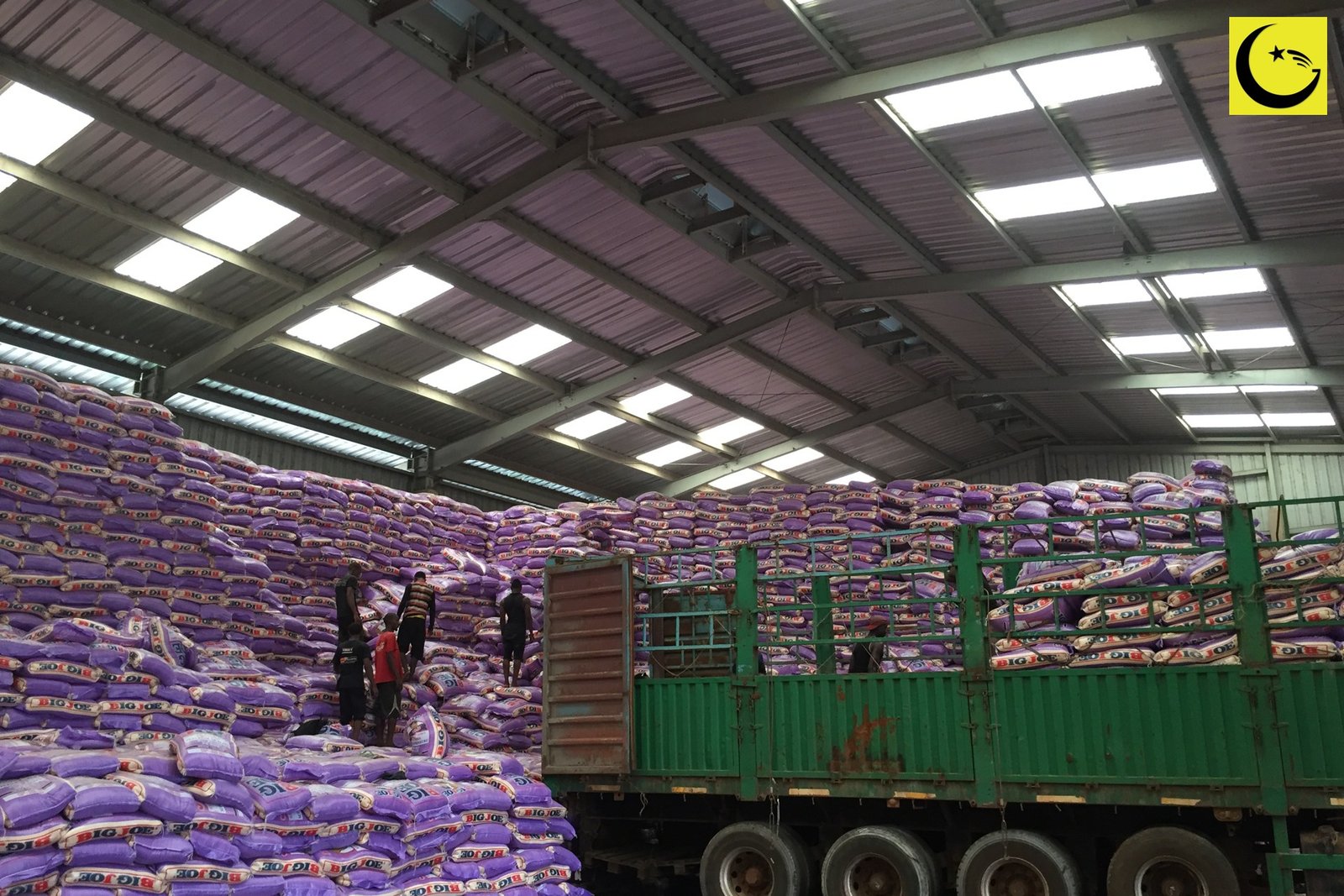
Pakistan rice exports overtook Vietnam’s in September 2026, with Pakistan shipping 420,277 tonnes during the month against Vietnam’s 337,000 tonnes, according to official trade figures first reported by Dawn on 2 November.
Pakistan did not only ship more, it earned more per tonne. Pakistani rice fetched an average of $621 per tonne in September, against $563 for Vietnamese rice, reflecting the value of aromatic Basmati in the mix. Of Pakistan’s September shipments, 101,271 tonnes were Basmati and 319,005 tonnes were non-Basmati varieties, so the win was built on volume at the everyday end of the market and premium prices at the top end at the same time.
How Pakistan Rice Exports Moved Ahead of Vietnam
The September result caps a strong quarter. Across July to September, the first quarter of Pakistan’s 2026-27 financial year, rice shipment volumes rose 51 percent and earnings rose 37 percent compared with the same period a year earlier. Traders credit deep carry over stocks from the previous harvest, an expansion of 18 to 20 percent in the area planted with rice, better access to urea fertiliser, and improved agricultural credit and bank support for exporters.
The figures were compiled from Vietnam’s foreign trade agency data and highlighted by Pakistan’s rice trade, which makes the comparison harder to dismiss: the numbers come from the competitor’s own customs reporting. Hamid Malik, a leading rice industry expert, was careful to put September in context. Pakistan first passed Vietnam in monthly shipment volumes in December 2025, so September 2026 was a repeat performance, not a first. That arguably makes it more significant, because it shows the December result was no one off.
Where the Rice Is Going
The two halves of the trade sell to different worlds. Basmati, the long grained aromatic rice grown in Punjab’s rice belt, goes mainly to the Gulf states, Europe and other premium markets, where it commands the prices behind Pakistan’s $621 average. Non-Basmati rice competes head on with Vietnam and Thailand in price sensitive markets in Africa and Asia, which is exactly the contest the September figures measure, and the one Pakistan is currently winning on volume.
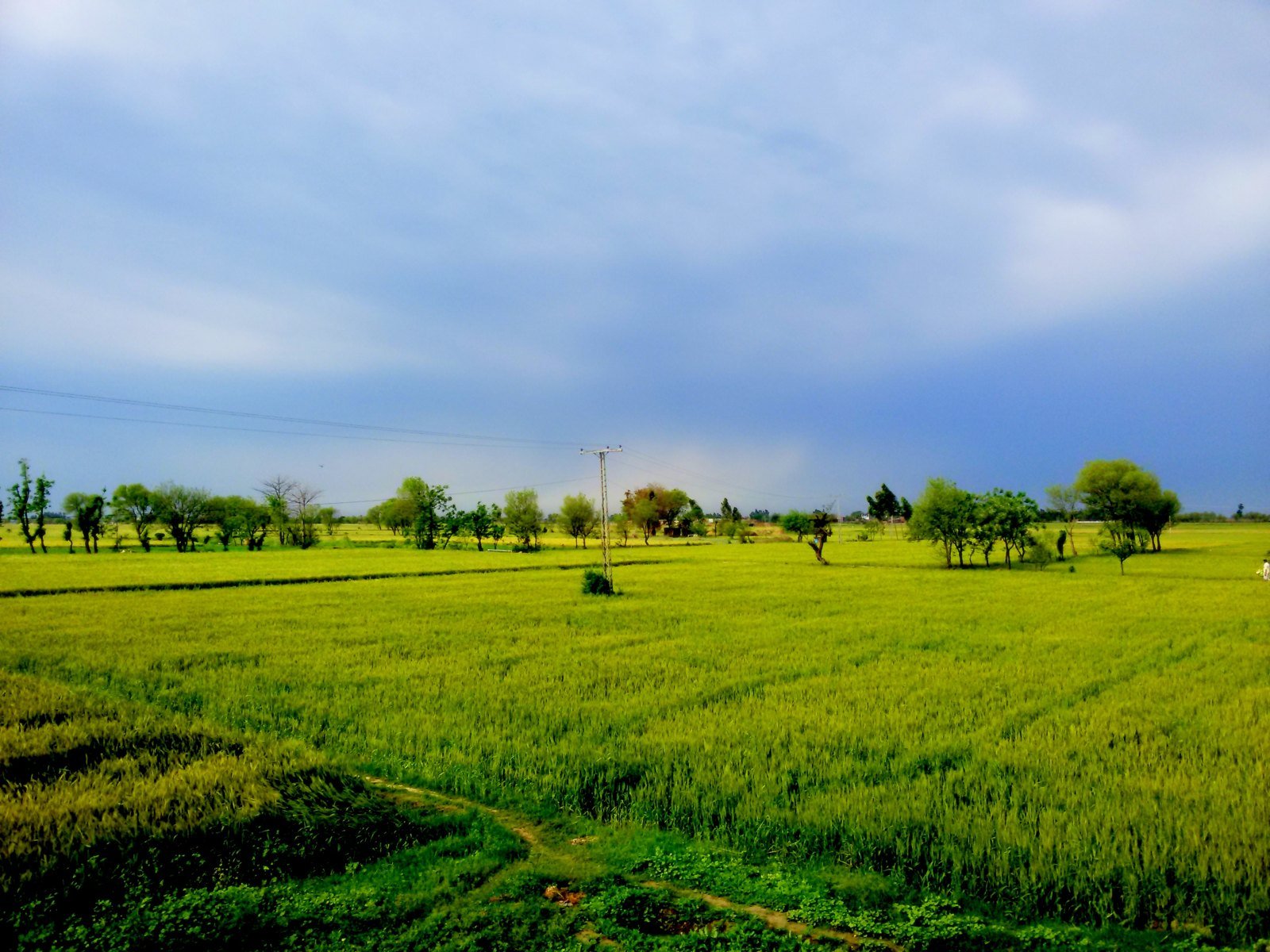
Rice fields in Punjab, the heartland of Pakistan’s Basmati crop
Photo: Faran104, CC BY-SA 4.0, via Wikimedia Commons
R E A D M O R E
Pakistan Secures Extra 70,000 Tonnes Rice Exports to Malaysia
Winning Through a Shipping Storm
The quarter was not an easy one in which to sell rice. Conflict around the Gulf pushed up ocean freight rates, marine insurance premiums and inland transport costs, and caused shipment delays across the trade. Conventional, non-aromatic rice exports from the major exporting countries fell by an estimated 20 to 30 percent under that pressure, which makes the growth in Pakistan rice exports stand out further: it was achieved while the logistics around the trade were getting harder and more expensive, not easier.
Pakistan’s rice sector also operates without a government minimum support price or a freight subsidy, competing on open market terms against exporters whose governments intervene more heavily. One honest caution belongs with the celebration: a monthly overtake is not the same as passing Vietnam across a full year, and India and Thailand remain far larger exporters over a full season, so nobody should read September as a new world ranking. Pakistan’s longer view is set out in our world ranking of rice exporters, and more trade stories are collected on our Pakistani Startups and Business Success page. If the current pace holds through the main harvest shipments, the annual table could yet tell a bigger story.
Sources
- Dawn, Pakistan outperforms Vietnam in rice exports
- WE News English
- The Daily CPEC
- Featured image: Sacks of rice stacked high inside a warehouse, with a truck waiting to be loaded (file photo) (Lemonblind, CC BY-SA 4.0, via Wikimedia Commons)
- In-body image: Rice fields in Punjab, Pakistan (Faran104, CC BY-SA 4.0, via Wikimedia Commons)

Umar Farooq is the founder and editor of Good News Pakistan. An engineer by profession and a writer by passion, he started the site in December 2022 to share good news from Pakistan, and has since written and edited more than 200 articles about its people, sports, science, business and world records. He believes the story of Pakistan is bigger than its headlines, and that good news, told honestly, is worth telling every day.