

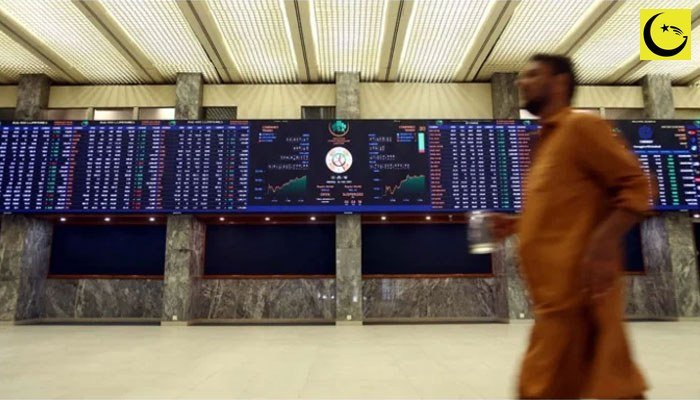
Pakistan Sukuk have passed a landmark that few expected this soon: the government Sukuk portfolio has crossed Rs10 trillion, in both the amount outstanding and total issuance, after a record year of borrowing through Islamic bonds. The milestone was marked at a ceremony in Islamabad on Thursday 12 November 2026, hosted by Meezan Bank, where Finance Minister Muhammad Aurangzeb was chief guest and State Bank Governor Jameel Ahmad also spoke.
A Record Year for Issuance
The numbers behind the milestone are striking. Between January and 31 October 2026, the government issued Rs4.179 trillion of Sukuk, more than double the previous full-year record of Rs2.052 trillion issued across the whole of 2025. Aurangzeb told the ceremony that issuance this year had risen by about 113 percent, and that the market has grown at roughly 22 percent a year since about Rs761 billion was issued in 2020. Justice (retd) Mufti Muhammad Taqi Usmani, chairman of Meezan Bank’s Shariah board, delivered the keynote address, and Dubai Islamic Bank Pakistan, BankIslami and Bank Alfalah were recognised alongside Meezan as joint financial advisers to the programme.
- Total portfolio: crossed Rs10 trillion in 2026
- Issued January to October 2026: Rs4.179 trillion
- Previous full-year record: Rs2.052 trillion in 2025
- Growth this year: about 113 percent, according to the finance minister
What Pakistan Sukuk Are, in Plain Words
A Sukuk is best understood as an Islamic bond. A conventional bond is a loan: the investor lends the government money and is paid interest. Islamic finance does not allow interest, so a Sukuk is structured differently. Investors buy certificates that represent a share in a real asset or project, and the return they receive comes from that asset, for example rent paid on state-owned property leased under an Ijarah structure, rather than from interest on a loan. When the Sukuk matures, the government buys the certificates back. Pakistan has issued most of its government Sukuk under the Ijarah structure since 2008, tying each issue to state-owned assets, and this year it also sold its first hybrid Sukuk, which paired an Ijarah sale and leaseback with a Commodity Murabaha structure.
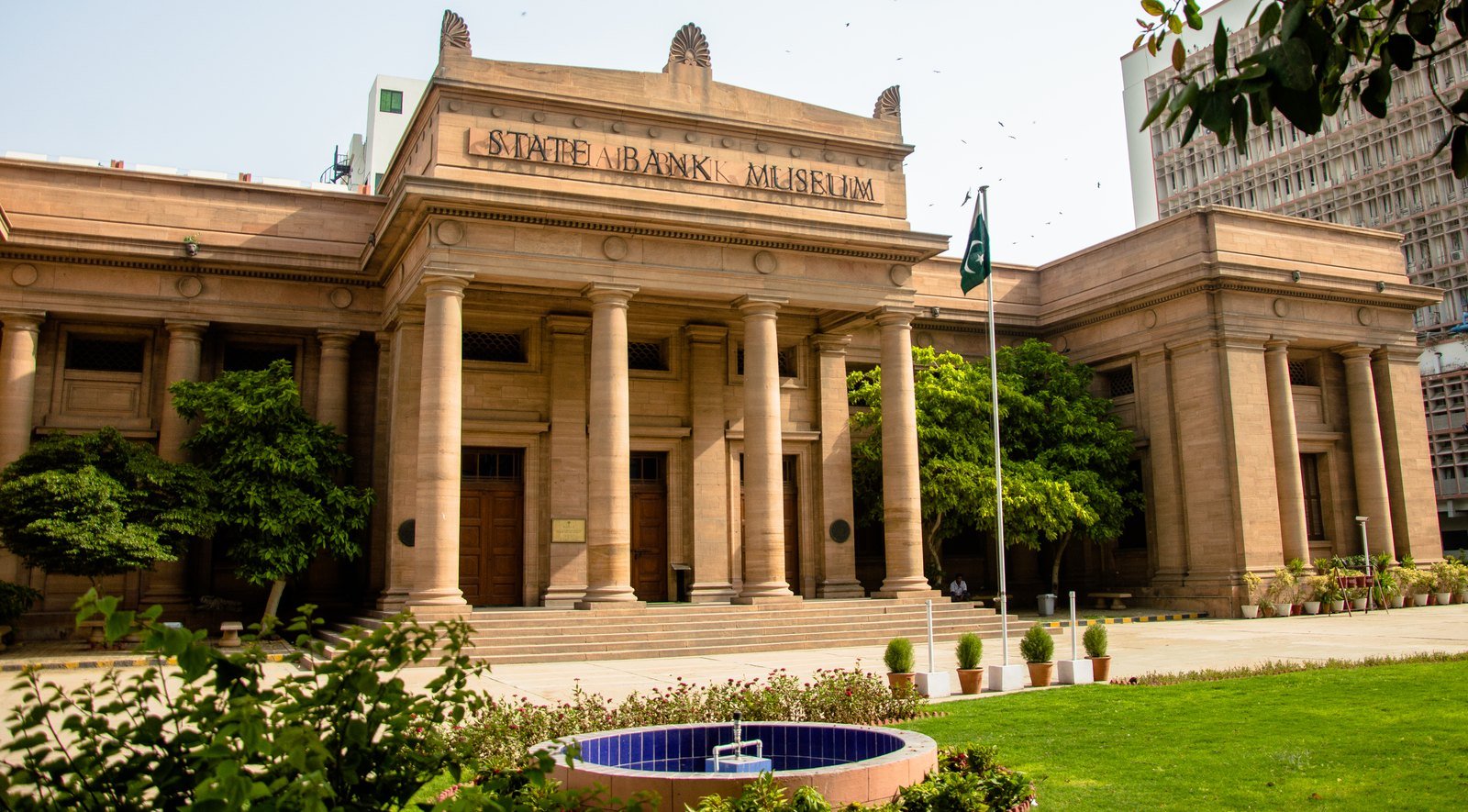
The old State Bank building in Karachi, now the State Bank Museum. The central bank helps run the government Sukuk programme that has just passed Rs10 trillion.
Photo: Asim Iftikhar Nagi, CC BY-SA 4.0, via Wikimedia Commons
Why the Government Uses Sukuk
The government borrows every year to cover the gap between what it collects and what it spends, and Sukuk give it a second large pool of money alongside conventional treasury bills and Pakistan Investment Bonds. Islamic banks in Pakistan hold large deposits and have long had fewer Shariah-compliant places to put them, so government Sukuk meet a real demand from banks, funds and savers who want returns without interest. A deeper Sukuk market also spreads the government’s borrowing across more buyers, which can steady the cost of that borrowing. The growth has not gone unnoticed by the wider market either: investor interest in the Pakistan Stock Exchange has been setting records of its own, as PSX Investors Record Falls Again as 25,747 Net New Investors Join in October 2026 reported last month.
R E A D M O R E
Saudi and Pakistani Investors Launch Private Equity Fund With 75% for Pakistan
What Still Needs Work
The ceremony was not only a celebration. Aurangzeb said plainly that foreign investment in Sukuk remains underwhelming, even though overseas buyers have returned to conventional treasury bills and bonds, and he urged banks and brokers to sell the Islamic instruments abroad. Broadening the buyer base matters for the same reason the domestic market matters: the more varied the demand, the more stable the programme. The milestone also sits inside a wider year of heavy money flows into Pakistan, from the stock market rally described in KSE-100 Closes Above 179,000 for the First Time After a 5,449-Point Jump to the record inflows covered in Pakistan Remittances Reach $3.9 Billion in October as Four-Month Inflows Nearly Cover the Trade Gap. For ordinary savers, the practical meaning of the Rs10 trillion figure is simple: Islamic bonds are no longer a side market in Pakistan. They are now one of the main ways the state raises money, and Pakistan Sukuk look set to stay that way.
Sources
- Nukta: Pakistan’s outstanding government Sukuk portfolio crosses PKR 10 trillion
- The Thursday Times: Pakistan’s sovereign Sukuk issuance crosses Rs10 trillion
- Focus Pakistan: Meezan Bank joins Ministry of Finance and SBP to mark PKR 10 trillion GOP Sukuk milestone
- Featured image: The trading hall of the Pakistan Stock Exchange in Karachi, where government Sukuk auctions are held (The News)
- In-body image: Old building of the State Bank of Pakistan, now the State Bank Museum, Karachi (Asim Iftikhar Nagi, CC BY-SA 4.0, via Wikimedia Commons)

Umar Farooq is the founder and editor of Good News Pakistan. An engineer by profession and a writer by passion, he started the site in December 2022 to share good news from Pakistan, and has since written and edited more than 200 articles about its people, sports, science, business and world records. He believes the story of Pakistan is bigger than its headlines, and that good news, told honestly, is worth telling every day.