

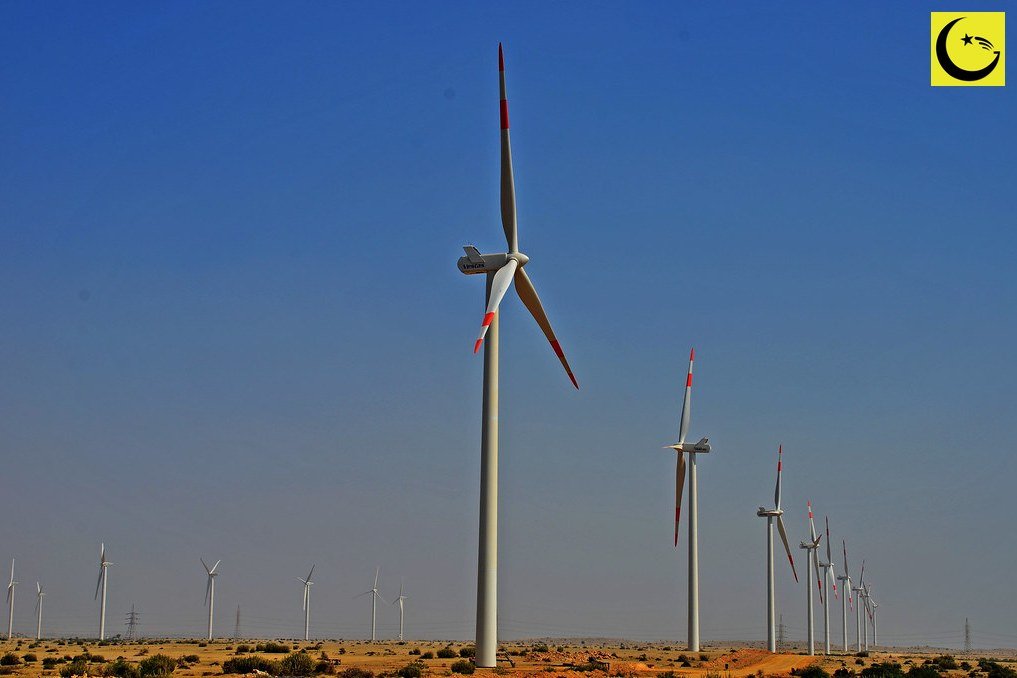
Pakistan power generation climbed 9 percent year on year to 10,744 gigawatt hours (GWh) in October 2026, up from 9,886 GWh in the same month last year, according to National Electric Power Regulatory Authority (NEPRA) data compiled by Arif Habib Limited (AHL) Research. Hydel power stayed the single largest source of electricity during the month, coal and gas output rose, and wind generation jumped by more than two thirds. The month was not a simple success story, however, because the average fuel cost of generating each unit also surged 25 percent to Rs10.63 per kilowatt hour (kWh), a rise that distribution companies are now seeking to pass through to consumers.
The headline numbers behind Pakistan power generation in October
The October total of 10,744 GWh compares with 9,886 GWh in October 2025, a gain of 858 GWh. On a month on month basis, output fell 19 percent from 13,217 GWh in September 2026, a seasonal dip that follows the end of the summer cooling season, when air conditioning demand drops sharply across the country. For the first four months of fiscal year 2027 (July to October), cumulative generation reached 54,026 GWh, about 6 percent higher than the 50,819 GWh recorded in the same period a year earlier.
Analysts covering the sector noted that October output was also 3.4 percent above the seven year average for the month, although it remained below the October 2021 peak of 11,296 GWh. Generation during the month exceeded the reference level determined by NEPRA, a development that analysts say could have implications for upcoming quarterly tariff adjustments. In other words, Pakistan generated more electricity than the regulator had assumed when setting reference figures, and it generated more than it did a year ago, even after the usual autumn slowdown from September.
READ MORE
Pakistan Rooftop Solar: Prime Minister Cites Nearly 22 Gigawatts Added in Two Years at COP31
Hydel leads the mix as wind and solar keep growing
Hydel generation rose 4 percent year on year to 2,818 GWh and accounted for 26.2 percent of all electricity produced in October, keeping water power at the top of the national mix. Nuclear plants were the second largest source with 2,090 GWh, a 19.5 percent share, although nuclear output dipped 4 percent compared with last year. Coal recorded the strongest expansion of any major source: imported coal generation jumped 237 percent to 1,569 GWh (14.6 percent of the mix), while local coal rose 8 percent to 1,360 GWh (12.7 percent). Combined coal generation of 2,929 GWh was up 69.6 percent year on year and, according to AHL, the highest ever recorded for an October.
Gas based generation grew 20 percent to 1,090 GWh, taking a 10.1 percent share. The renewable sources also moved in the right direction: wind generation climbed 71 percent year on year to 316 GWh, and solar output edged up 3 percent to 99 GWh. Both remain small shares of the total mix, but the wind figure shows the Sindh wind corridor, centred on Jhimpir and Gharo, producing substantially more than it did a year earlier. The sharpest decline came from re-gasified liquefied natural gas (RLNG), where generation fell 61 percent to 757 GWh, about 7 percent of the mix, as LNG supplies tightened. Furnace oil generation, by contrast, surged to 351 GWh from a very low base last year, and high speed diesel (HSD) plants produced 198 GWh.
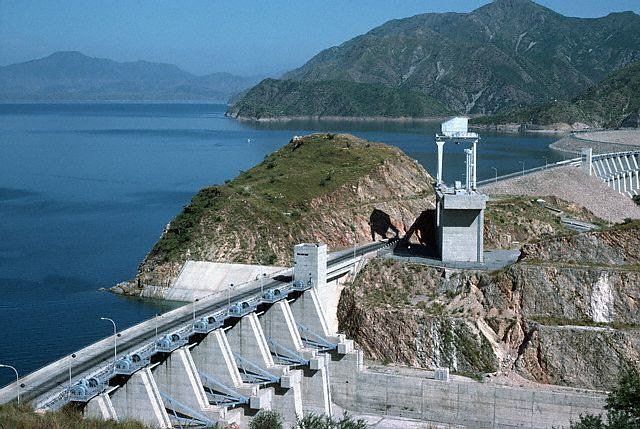
Tarbela Dam and its reservoir on the Indus River, representing the hydel power that supplied 26.2 percent of all electricity generated in Pakistan in October 2026.
Photo: U.S. Embassy Pakistan via Flickr
The honest cost side: fuel charges jumped 25 percent
The same data that shows stronger output also shows a much more expensive month. The average cost of generation surged 25 percent year on year to Rs10.63 per kWh, compared with Rs8.51 per kWh in October 2025, and it was also 14 percent higher than September’s Rs9.35 per kWh. AHL attributed the jump to a higher share of HSD and furnace oil in the generation mix, together with elevated international oil prices. Those two fuels are among the most expensive ways to make electricity: the fuel cost of HSD generation was reported at Rs69.59 per unit in the October data submitted to NEPRA, while RLNG based generation cost Rs28.74 per unit. Together, RLNG, HSD and furnace oil accounted for 45.4 percent of the unadjusted average fuel cost, even though they supplied a far smaller share of total output.
Because actual fuel costs ran well above the reference fuel charges of Rs7.87 per unit built into consumer tariffs, the Central Power Purchasing Agency (CPPA-G), on behalf of the distribution companies (DISCOs), has sought a positive Fuel Charges Adjustment (FCA) of Rs2.88 per kWh for October 2026. The request would recover roughly Rs30 billion from consumers, and the adjusted fuel cost of electricity actually delivered to the DISCOs was calculated at Rs10.75 per unit on net delivered energy of 10,352 GWh. NEPRA has scheduled a public hearing on the request for 26 November 2026, and the increase has not been approved yet, so the final impact on household and business bills will depend on the regulator’s decision. Under the federal government’s uniform FCA policy, any adjustment approved for the ex-WAPDA DISCOs would also apply to K-Electric consumers.
READ MORE
Tarbela Dam: The Largest Earth-Filled Dam in the World by Volume
What rising output says about demand and the economy
Electricity generation is closely watched in Pakistan because it acts as a real time gauge of economic activity: factories, farms, offices and homes draw more power when production and incomes are rising. AHL linked the October growth to lower tariffs, increased industrial consumption from the national grid and improved economic activity, suggesting that some industrial users who had shifted away from the grid are drawing more grid electricity again. The four month trend supports that reading, with generation up about 6 percent year on year across July to October, even as the monthly figure eased back from September’s summer peak.
The outlook in the regulator’s own planning remains cautious rather than exuberant. NEPRA has projected electricity demand growth of 1 percent for calendar year 2026 and 2.6 percent under its base case forecast for 2027. Against that backdrop, the October figures for Pakistan power generation carry two messages at once. The first is genuinely encouraging: more electricity was produced, the cheapest large source, hydel, held the biggest share, and wind and solar output both grew. The second is a warning that the system still leans on expensive fuels when RLNG supplies tighten, and that the cost of a stronger month can land in consumer bills a few weeks later. Holding both facts together is the fair way to read a month in which output rose 9 percent and fuel costs rose 25 percent at the same time.
Sources
- Mettis Global: Power generation climbs 9% YoY, fuel cost jumps 25% in October
- Profit by Pakistan Today: Pakistan’s power generation rises 8.7% in October, fuel costs jump 24.9%
- Business Recorder: FCA for Oct ’26, CPPA-G seeks Rs3 per unit positive adjustment
- Profit by Pakistan Today: Electricity tariff may rise by Rs2.88 per unit
- Energy Update: Pakistan’s power generation jumps 6.3% in first four months of FY27
- Featured photo: Wind turbines at the Jhimpir Wind Farm in Thatta District, Sindh. (Photo: Muzaffar Bukhari via Flickr, CC BY-SA 2.0)
- Body photo: Tarbela Dam spillway gates and reservoir on the Indus River. (Photo: U.S. Embassy Pakistan via Flickr, CC BY-ND 2.0)

Umar Farooq is the founder and editor of Good News Pakistan. An engineer by profession and a writer by passion, he started the site in December 2022 to share good news from Pakistan, and has since written and edited more than 200 articles about its people, sports, science, business and world records. He believes the story of Pakistan is bigger than its headlines, and that good news, told honestly, is worth telling every day.