

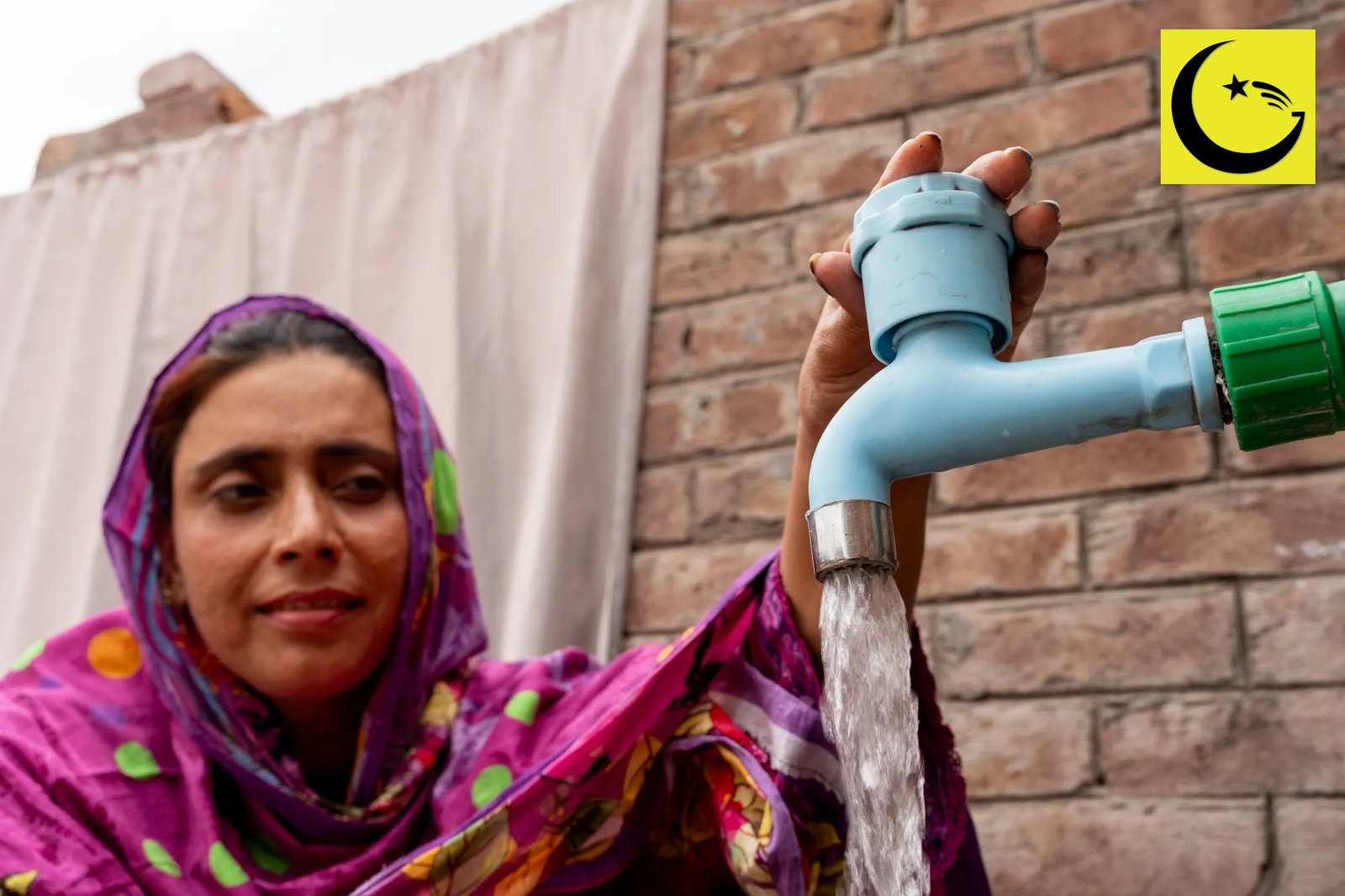
The World Bank has approved $300 million in financing for the STAR WASH-1 Sindh project, which will bring safe water supply, sanitation and hygiene services to 1.5 million people in selected rural areas of Sindh. The bank’s Board of Executive Directors approved the financing on 13 November 2026, and the project is the first phase of a ten-year national effort to fix rural water services across Pakistan.
What STAR WASH-1 Sindh Will Fund
The money will pay for climate-resilient water and sanitation infrastructure in rural communities, including solar-powered water supply systems and improved sanitation facilities, alongside an integrated social and behaviour change programme that promotes safer hygiene habits in homes and villages. Just as importantly, the project is designed to change how rural water services are run, shifting the focus from simply building infrastructure to delivering safe and sustainable services year after year. The World Bank says the project aims to halve water contamination at the point of use and to connect 80 percent of the targeted rural communities to a professional water and sanitation service provider.
“Investing in safe water, sanitation, and hygiene is more than building infrastructure, it is investing in human capital,” said Bekele Debele Negewo, the bank’s Lead Water Resources Management Specialist. “It directly supports better health, nutrition, and resilience, particularly for women and children in vulnerable communities.”
Why Rural Sindh Needs Safe Water
The need is stark. More than half of children under five in rural Sindh are stunted, and the World Bank links that crisis directly to unsafe water and poor sanitation, which cause repeated diarrhea in young children and affect their bodies’ ability to absorb nutrients, damaging both physical and cognitive development. Dawn reported that more than 90 percent of rural households in Sindh supply their own drinking water, often from contaminated groundwater, and that earlier water and sanitation initiatives built infrastructure but were hampered by inadequate operation and maintenance after schemes were handed over to local administrations or communities. At the proposal stage, the World Bank put access to safely managed water in rural Sindh at just 29 percent.
“Stunting is among Pakistan’s most severe and persistent human capital challenges, with long-term consequences for health, learning, and productivity,” said Bolormaa Amgaabazar, World Bank Country Director for Pakistan. “By expanding access to safe water, improved sanitation, and hygiene, this project will help break the cycle of infection and under-nutrition that limits children’s growth and development.”
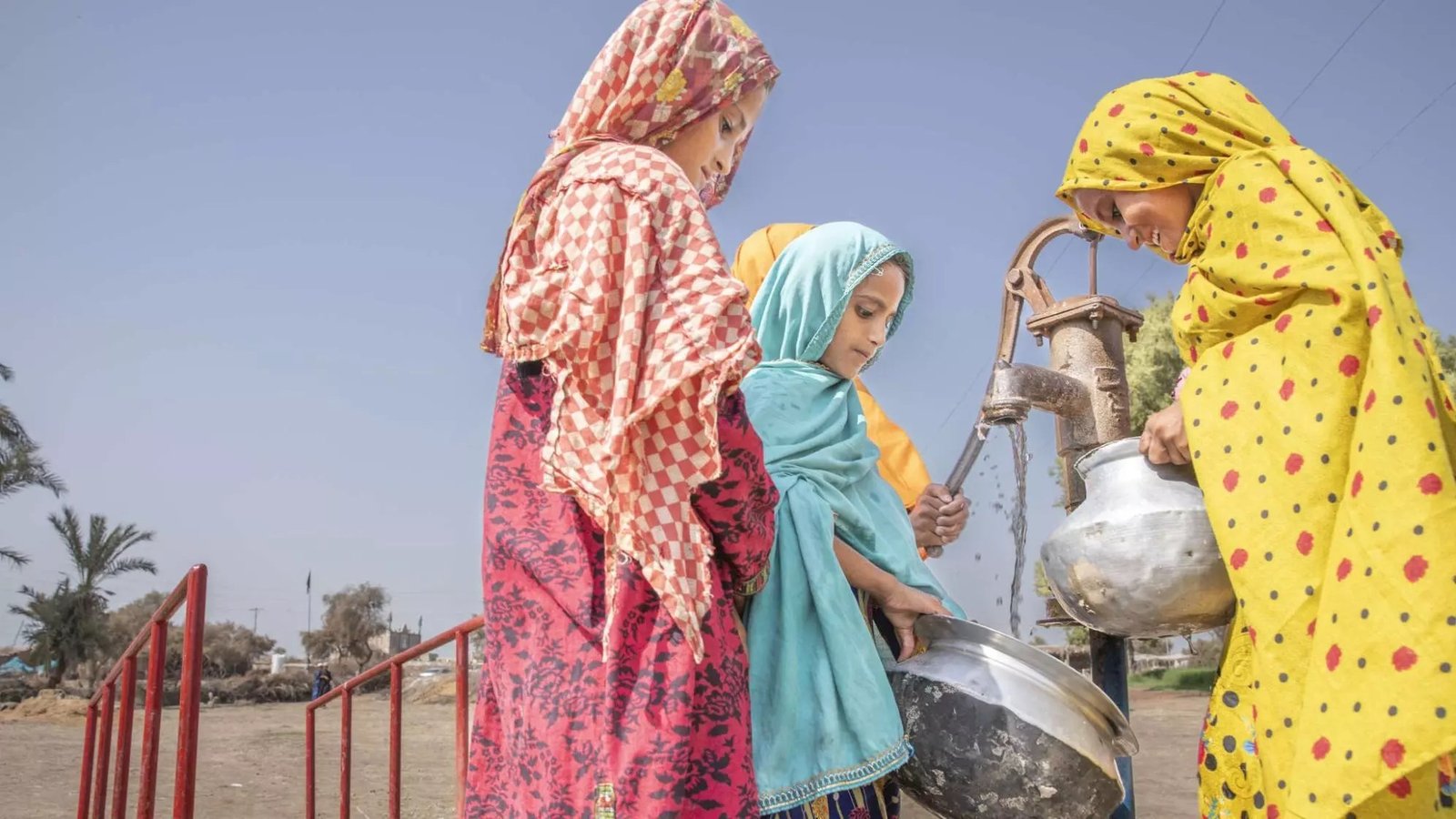
Women and girls fill their pots at a hand pump in rural Sindh, the daily reality the project is designed to change.
Photo: Mercy Corps
READ MORE
Pakistan Goods Exports Hit a Record $11.34 Billion in First Four Months of FY27
A $540 Million First Phase, Backed by Three Partners
The World Bank’s $300 million is part of a larger $540 million first phase. The Asian Development Bank is adding $150 million under a recently agreed Full Mutual Reliance Framework between the two banks, while the Government of Sindh is providing $90 million equivalent in counterpart funding. According to the World Bank’s project documents, the bank’s own share combines a $200 million credit from the International Development Association with a $100 million loan from the International Bank for Reconstruction and Development. The implementing agency is the Sindh People’s Housing for Flood Affectees, the body set up after the 2022 floods, and the project will support its formalisation as a rural water and sanitation utility company. Focus Pakistan, reviewing the bank’s project documents, reported that the largest share of the first phase cost, $482 million, goes to the water, sanitation and hygiene services themselves. The World Bank estimates the project will generate over 14,000 jobs.
The First Phase of a Ten-Year Programme
STAR WASH-1 Sindh is the first step in something bigger. It opens a four-phase Pakistan Rural Water, Sanitation, and Hygiene Services Program that the World Bank will support over ten years through a multi-phase programmatic approach, aligned with the World Bank Group’s Water Forward initiative. The bank’s project information document puts the wider programme envelope at US$2.45 billion and sketches later phases reaching Punjab and Khyber Pakhtunkhwa later this decade. The bank has not named the districts covered by this first phase, describing them only as selected rural areas of Sindh. Focus Pakistan, citing the bank’s documents, reported that proposal-stage plans anticipated about 2.5 million beneficiaries in 16 of Sindh’s 23 districts, but the approved first phase targets 1.5 million people.
For the families who will benefit, the change is simple to describe: water that is safe to drink, close to home, supplied by a service that keeps working long after the construction crews leave. If STAR WASH-1 Sindh delivers on its targets, it will be the largest single push yet to make that ordinary thing true across rural Sindh.
Sources
- World Bank press release: Pakistan: World Bank Project to Bring Safe Water and Sanitation to 1.5 Million People in Rural Sindh, 13 November 2026
- World Bank, Project Information Document: Sindh Transformational Accelerated Rural Water Supply, Sanitation, and Hygiene Services Phase 1 Project (P515194)
- Dawn: World Bank okays $300m for Sindh’s water, sanitation services, 15 November 2026
- Focus Pakistan: World Bank Commits $300M to Expand Clean Water and Sanitation in Rural Sindh
- Featured photo: World Bank
- Photo: Mercy Corps

Umar Farooq is the founder and editor of Good News Pakistan. An engineer by profession and a writer by passion, he started the site in December 2022 to share good news from Pakistan, and has since written and edited more than 200 articles about its people, sports, science, business and world records. He believes the story of Pakistan is bigger than its headlines, and that good news, told honestly, is worth telling every day.