

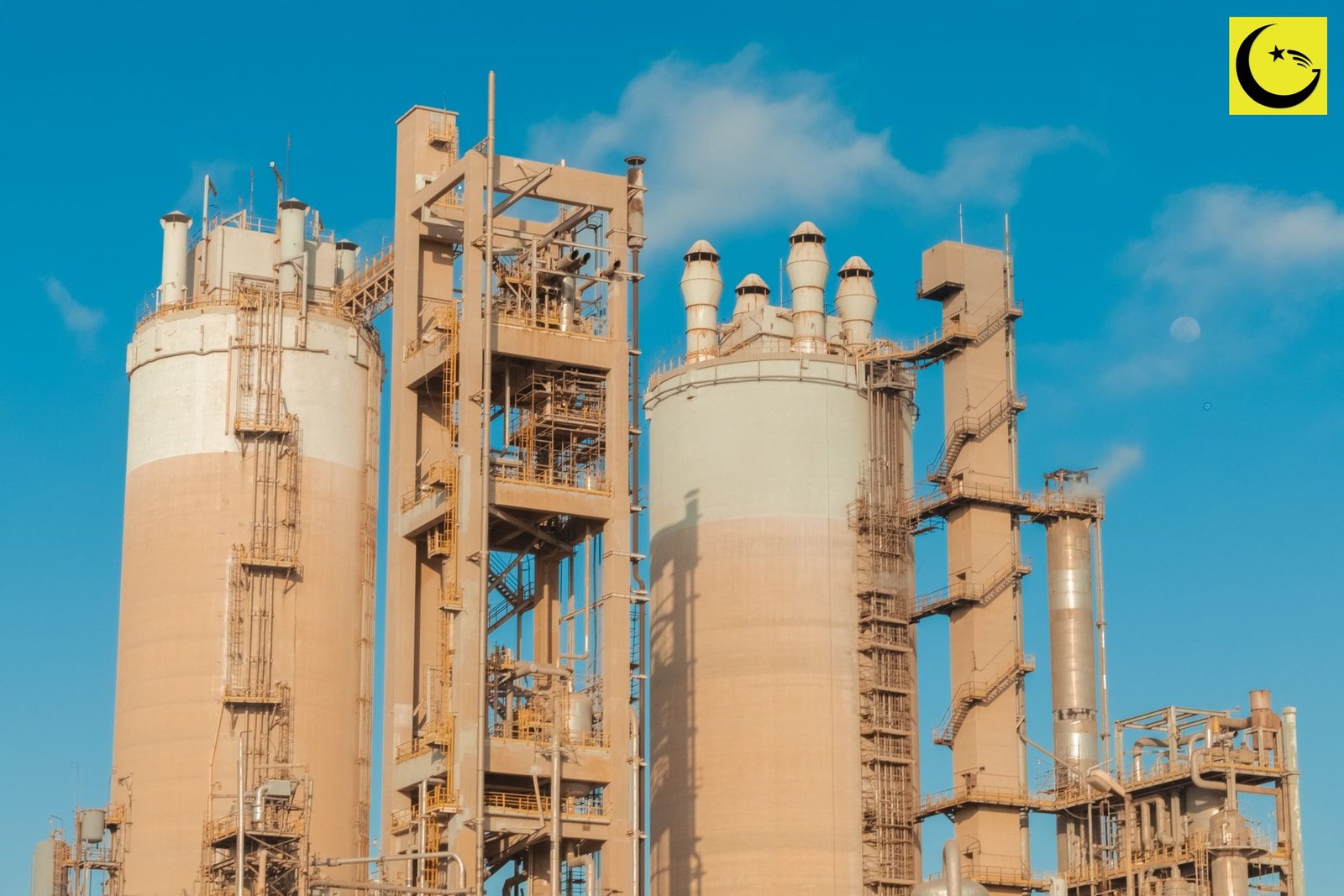
Balochistan has approved a Rs250 billion urea plant in Sui, in the Dera Bugti district, a fertiliser complex worth about $895 million that officials describe as the largest public-private partnership project in the province’s history. The Balochistan Public-Private Partnership Board gave the approval on 17 November 2026, and the plant is planned to produce 580,800 tonnes of urea a year from local low BTU gas, with commercial production targeted for April 2031.
A Record Deal for Balochistan, Approved on 17 November
The decision came at the 10th meeting of the provincial PPP Board, chaired by Chief Minister Mir Sarfraz Bugti. Faraz Syed, the chief executive of the Balochistan PPP Authority, announced the approval, and the authority described the complex as the largest PPP transaction Balochistan has ever undertaken, as well as one of the largest industrial PPP deals in Pakistan.
The scale is large by any provincial measure. The complex will be built on a 496 acre site at Sui, a town whose name has been linked with natural gas in Pakistan for decades, and its planned output would make it a significant new source of urea, the nitrogen fertiliser that farmers rely on for wheat, cotton, maize and other major crops. For a province that has often watched its gas travel elsewhere for processing, the plan keeps both the raw material and the factory in Balochistan.
READ MORE
China Pakistan Agriculture Gets a New Joint Laboratory and a Technology Transfer Centre
Inside the urea plant in Sui: Gas From the Zin Block
The whole project rests on gas that has limited uses today. The plant will take 100 million standard cubic feet per day of indigenous low BTU gas from the Zin block, operated by the Oil and Gas Development Company Limited (OGDCL), at a delivered price of $2 per million British thermal units. Low BTU gas carries less energy per unit than standard pipeline gas, making it harder to sell into the national grid, but it works well as a dedicated feedstock for a plant built next to the source.
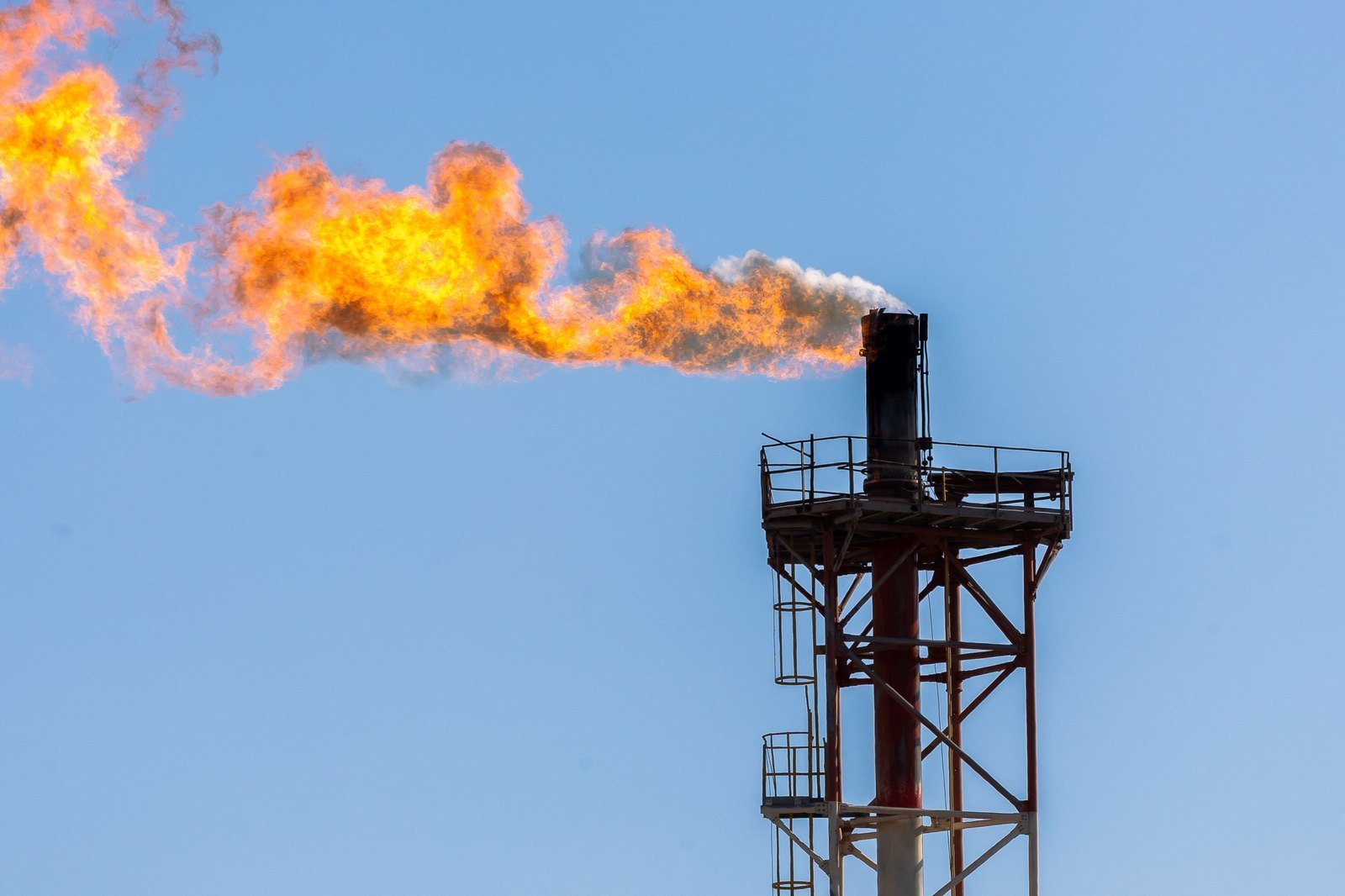
A gas flare burns at an industrial site, a reminder of the natural gas that the Sui complex will turn into fertiliser.
Photo: Yerevan Malerva via Pexels
The reserves behind the plan are substantial. The Zin block holds estimated recoverable reserves of 912 billion standard cubic feet, and the supply for the plant is expected to hold at its plateau level until 2043, giving the complex a long and predictable feedstock runway. Securing gas locally at a fixed delivered price is central to the project’s economics, and it turns a hard to market gas stream into fertiliser, jobs and tax revenue inside the province.
Strong Projected Returns, and Early Foreign Interest
The authority’s financial projections are designed to draw private capital into the partnership. The project carries an estimated net present value of $301 million, a projected equity internal rate of return of 25.1 percent and an expected payback period of nine years. Those are projections rather than results, and the final numbers will depend on construction costs, financing terms and future fertiliser prices, but they explain why the province presents the complex as a bankable industrial venture.
Interest has already been reported from abroad. According to Topline Research, cited in reporting on the approval, the opportunity has been presented to Saudi investors, who are exploring possible participation alongside a Pakistani partner. Discussions remain at an early stage, and no investment agreement or formal partnership has been confirmed yet.
What More Home Grown Urea Means for Farmers and the Import Bill
Pakistan’s farmers need urea in large quantities every season, and any shortfall at home tends to show up as imports, higher prices or both. A working urea plant in Sui would add more than half a million tonnes a year to domestic supply, easing pressure on the import bill and giving farmers a more reliable supply at peak sowing time. It would also soften Pakistan’s exposure to international fertiliser prices and shipping disruptions.
The benefit, though, is a future one. The actual effect on imports will depend on the plant being built on schedule, running efficiently and receiving its gas as planned. What the approval does today is lock in the framework: the land, the gas allocation and the partnership model are now formally agreed at provincial level.
An Industrial Anchor for Dera Bugti
For Balochistan, and for Dera Bugti in particular, the promise goes beyond fertiliser. Provincial officials have framed the complex as a source of industrial activity and job creation, from construction work on a 496 acre site to the skilled and support roles a running chemical plant needs, along with the transport and supply businesses that grow around a large factory. No official jobs figure has been published with the approval, so the honest claim at this stage is the direction of travel: a major industrial employer anchored in one of Pakistan’s least industrialised districts, using the district’s own gas.
There is also a wider signal for investors. Delivering the complex under the PPP framework would show that Balochistan can structure and land industrial transactions at a national scale, which matters for the mining, energy and processing projects the province hopes to attract next.
A Long Road to April 2031
Approval is the start, not the finish. The project must still move through partner selection, financing, detailed engineering and construction before the first bag of urea can be produced, and the April 2031 target leaves a little over four years for that work. Timelines on projects of this size can slip, and the published figures are the authority’s estimates at approval stage.
Even with those cautions, the urea plant in Sui stands as a landmark decision for Balochistan: its largest ever PPP project, built on gas that has waited for a market, and aimed at a product every Pakistani farmer knows. If it is delivered as planned, Dera Bugti will host one of the most important fertiliser factories in the country, and Balochistan will have turned an untapped resource into industry at home.
Sources
- Business Recorder
- The Asian Mirror
- ProPakistani
- The Scoop
- The Neutral
- Featured photo: Urea production towers at an industrial plant (Photo: Abdo Alshreef via Pexels)
- Body photo: A gas flare stack burning against a clear blue sky (Photo: Yerevan Malerva via Pexels)

Umar Farooq is the founder and editor of Good News Pakistan. An engineer by profession and a writer by passion, he started the site in December 2022 to share good news from Pakistan, and has since written and edited more than 200 articles about its people, sports, science, business and world records. He believes the story of Pakistan is bigger than its headlines, and that good news, told honestly, is worth telling every day.