

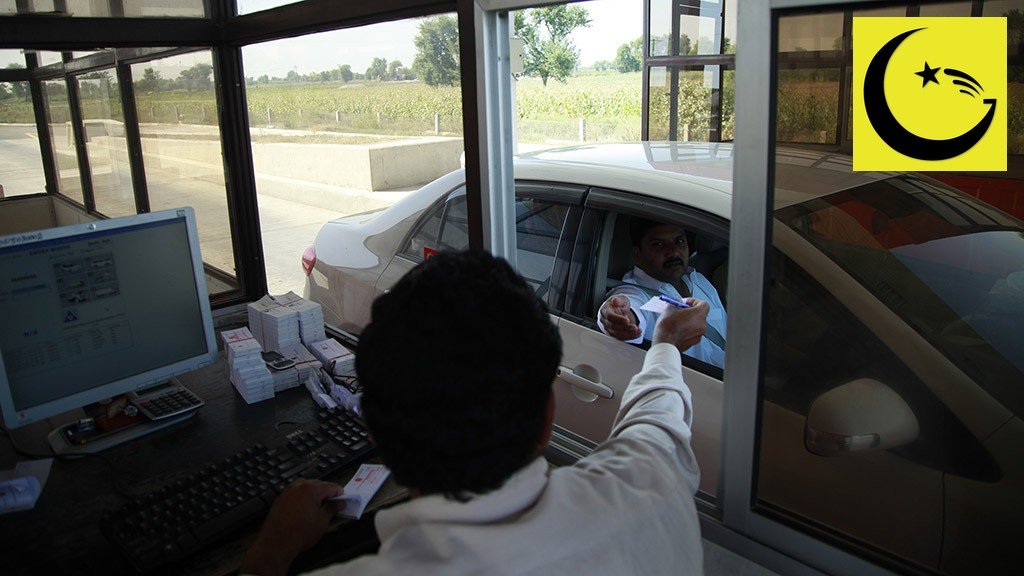
The Asian Development Bank has approved a $250 million policy-based loan to help Pakistan strengthen its public-private partnership system and advance a pipeline of bankable, sustainable projects that can attract private capital and support economic growth, the bank announced in Manila on 25 November 2026. The ADB $250 million loan anchors the second phase of the bank’s Promoting Sustainable Public-Private Partnerships Program.
The financing supports reforms to help the government prepare market-ready projects, particularly high-quality, cost-efficient infrastructure, and to improve fiscal risk management. A first phase approved in 2024 strengthened the legal and policy frameworks for PPPs, and under this second phase the government has taken steps to bring Pakistan’s federal PPP and privatisation functions together under a unified platform. The ADB $250 million loan is the centrepiece of that effort.
What the ADB $250 million loan is designed to fix
“Rigorous project appraisal, transparent disclosure, and sound management of fiscal risks are essential to translate Pakistan’s PPP pipeline into sustainable infrastructure investment,” said ADB Country Director for Pakistan Emma Fan. “This program demonstrates ADB’s commitment to support the Government of Pakistan in strengthening public investment and financial management, improving infrastructure development, and mobilizing greater private sector investment through PPPs.”
The programme supports dedicated PPP units in four line ministries and agencies, and a national framework for monitoring and disclosing PPP-related fiscal liabilities, so that the long-term cost of every partnership is visible before it is signed. Inclusivity and resilience are integrated into PPP planning and procurement.
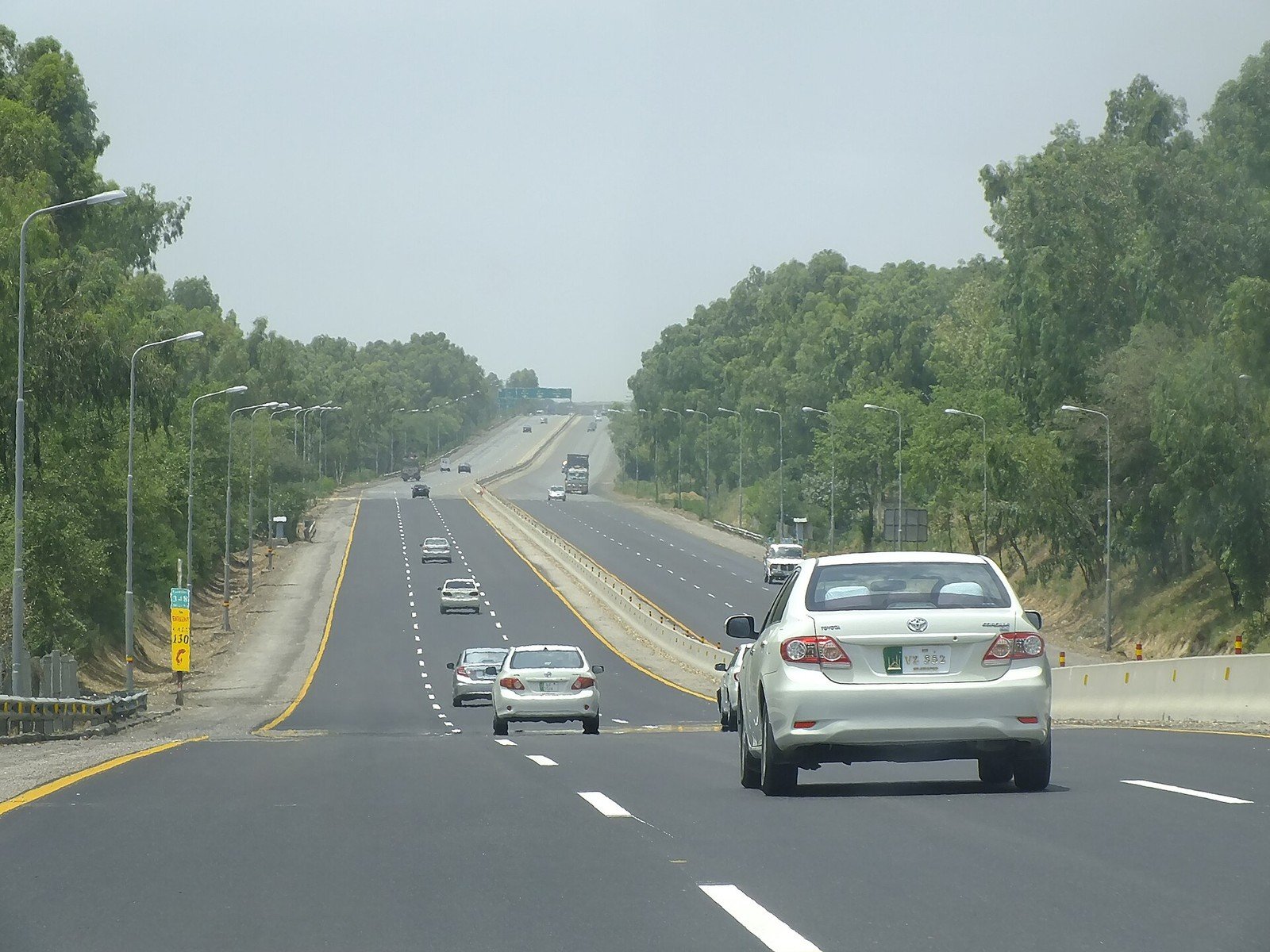
The M-2 Motorway between Lahore and Islamabad, the kind of large infrastructure that public-private partnerships are used to finance and maintain. Photo: King Eliot via Wikimedia Commons (CC BY-SA 4.0)
A pipeline running to 2030
With ADB support, the government has approved a medium-term PPP pipeline for 2026 to 2030, a shelf of projects prepared to a standard investors can judge. The pipeline approach matters because investors judge projects one by one: a shelf of appraised, costed projects shortens the distance between an announcement and a signed deal. A National PPP and Investment Knowledge Hub will provide training and tools to federal institutions, and provincial governments will also be able to draw on its knowledge resources and peer-learning activities. Alongside the loan, the programme is supported by $1.1 million in technical assistance from ADB’s Technical Assistance Special Fund and $950,000 from the Asia Pacific Project Preparation Facility, funding professional certification, knowledge exchange and the development of fiscal risk assessment tools.
READ MORE
Apna Ghar Housing Loans Cross Rs112 Billion as 18,500 Families Get Homes
Why this is good news for Pakistan
Pakistan needs far more infrastructure than its budget can build: roads, water systems, hospitals, schools and energy projects that arrive years late when they wait for public money alone. A public-private partnership lets private capital build and run a project to set standards while the state keeps oversight, but investors only come when the rules are predictable and the risks are honestly counted. That is exactly what this programme buys: trained PPP units, a prepared pipeline, and published fiscal risks. If it works as designed, the return on the ADB $250 million loan will not be measured in the loan itself but in the private billions it persuades to follow, and in the projects Pakistanis actually get to use.
Sources
- Asian Development Bank, ADB approves $250 million loan to strengthen Pakistan’s public-private partnerships
- TechJuice, ADB approves $250 million loan for Pakistan PPP programme
- Pakistan Observer, ADB approves $250 million loan to strengthen Pakistan’s PPPs
- Featured photo: Ismail Khan / Asian Development Bank (a motorway toll plaza in Pakistan)
- In-body photo: King Eliot via Wikimedia Commons, CC BY-SA 4.0 (the M-2 Motorway)

Umar Farooq is the founder and editor of Good News Pakistan. An engineer by profession and a writer by passion, he started the site in December 2022 to share good news from Pakistan, and has since written and edited more than 200 articles about its people, sports, science, business and world records. He believes the story of Pakistan is bigger than its headlines, and that good news, told honestly, is worth telling every day.
- Umar Farooq
- Umar Farooq
- Umar Farooq
- Umar Farooq
- Umar Farooq