

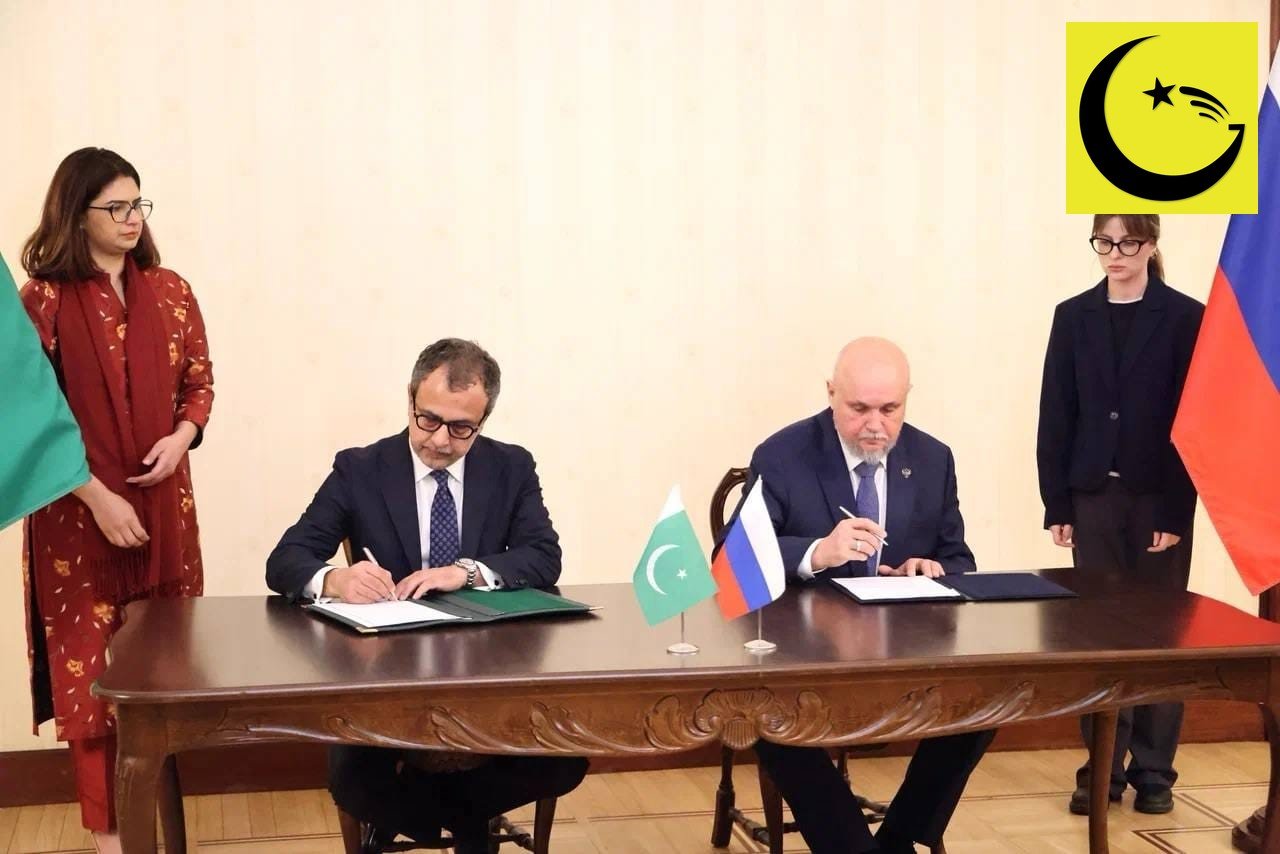
Pakistan Russia trade is to grow more than tenfold by 2030 after Islamabad and Moscow signed a five-year Programme of Economic Cooperation at the 11th session of the Pakistan-Russia Intergovernmental Commission in Moscow on 25 November 2026, setting a target of $5 billion a year and completing the joint feasibility study for a free trade agreement between Pakistan and the Eurasian Economic Union.
The session was co-chaired by Pakistan’s Federal Minister for Energy, Sardar Awais Ahmed Khan Leghari, and Russia’s Minister of Energy, Sergey Tsivilyov, and it closed with the signing of the session protocol and the cooperation programme for 2026 to 2030. The target is ambitious against today’s numbers: trade between the two countries passed $300 million in the first nine months of 2026, up 11 percent after two consecutive years of decline, and annual trade has been running at only about $300 to $400 million.
What the Moscow session agreed
The two governments left Moscow with a longer list of commitments than any recent session between them:
- A target of $5 billion in annual bilateral trade by 2030, under the Programme of Economic Cooperation for 2026 to 2030.
- Completion of the joint feasibility study for a free trade agreement between Pakistan and the Eurasian Economic Union.
- Cooperation in oil and gas exploration, liquefied natural gas supplies and gas distribution.
- Local production of insulin in Pakistan, alongside work on clinical trials and simpler medicine registration.
- A first trial freight train from Pakistan to Russia, with cooperation on railways, roads and intelligent transport systems.
- A raised quota of Russian government scholarships for Pakistani students, and faster work on agreements covering higher education and the recognition of qualifications.
- Joint work in metallurgy, heavy vehicles, agricultural machinery, mining, livestock, fisheries and aquaculture.
Pakistan’s Trade Development Authority and the Moscow Export Centre will promote direct contacts between the two business communities, and both sides agreed to exchange information on the incentives available in their special economic zones.
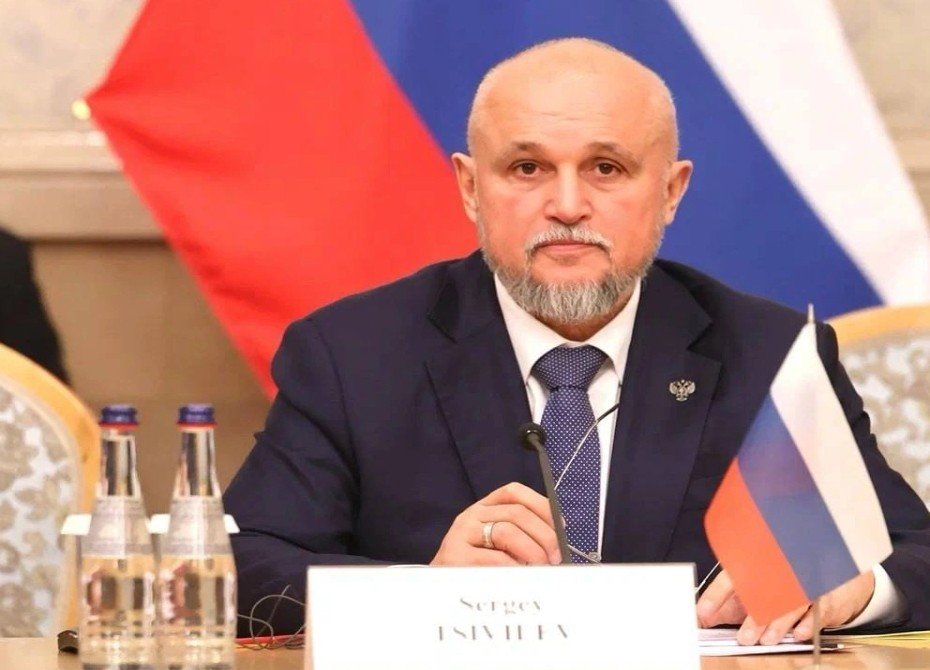
Russia’s Energy Minister Sergey Tsivilyov, who co-chaired the 11th session of the Intergovernmental Commission in Moscow. Photo: Sabah
The money problem that has held Pakistan Russia trade back
Both sides named the same bottleneck: paying each other. Special Assistant to the Prime Minister Haroon Akhtar Khan told the session that major progress had been made on removing obstacles to financial transactions, with a roadmap prepared and work already begun. Finance Secretary Imdadullah Bosal said four possible methods for settling payments had been shortlisted after months of negotiation, and State Bank Governor Jameel Ahmad said the options had been ranked, with work starting on the first priority. Until a clean payment channel exists, trade growth stays slow; the significance of Moscow is that the fix now has owners, options and a timetable.
READ MORE
Pakistan Rice Exports Reach 1.35 Million Tonnes as Basmati Shipments Rise 62 Percent
Why this is good news for Pakistan
Pakistan Russia trade has been a story of potential for decades, and potential does not pay exporters. This session matters because it attached machinery to the ambition: a signed five-year programme, a finished free trade feasibility study, an annual commission that next meets on Pakistani soil, and a payment roadmap that attacks the single biggest practical barrier. For Pakistani exporters, Russia and the wider Eurasian market mean millions of consumers who barely see Pakistani textiles, food and sports goods today. For Pakistan’s energy security, a second major supplier relationship for oil, gas and LNG means leverage and resilience. And for Pakistani students, a bigger scholarship quota is a direct, personal dividend. A $5 billion target from a base of a few hundred million is deliberately bold, but for the first time it is written into a programme with named sectors and deadlines rather than left as a conference compliment.
What happens next
The 12th session of the Intergovernmental Commission will be held in Pakistan in 2027, and Leghari described the Moscow outcome as an important step in diversifying Pakistan’s economic and energy partnerships, saying the programme will open new avenues for Russian investment in energy, industry and agriculture while giving Pakistani exporters more room abroad. The two sides also agreed to keep strengthening cooperation in disaster management, culture, tourism and sports.
Sources
- TechJuice, Pakistan and Russia target $5 billion trade by 2030
- Voice of Russia, Pakistan-Russia trade target set at $5 billion by 2030
- Interfax reporting of the joint communique, via the Embassy of Pakistan in Moscow
- Featured photo: Embassy of Pakistan in Moscow (the signing of the session protocol in Moscow)
- In-body photo: Sabah (Sergey Tsivilyov at the commission session)

Umar Farooq is the founder and editor of Good News Pakistan. An engineer by profession and a writer by passion, he started the site in December 2022 to share good news from Pakistan, and has since written and edited more than 200 articles about its people, sports, science, business and world records. He believes the story of Pakistan is bigger than its headlines, and that good news, told honestly, is worth telling every day.
- Umar Farooq
- Umar Farooq
- Umar Farooq
- Umar Farooq
- Umar Farooq