

Lahore recorded its cleanest October in five years in 2026, and the health figures moved in the same direction: reported patients across five smog-related disease categories fell 43 percent between January and October 2026 compared with the same period of 2025, dropping from 12.4 million to 7.03 million, according to Punjab hospital data cited in a Dawn editorial. October 2026 was also the first October in four years in which Lahore did not record a single day with an Air Quality Index above 300, Punjab Secretary for Environment Protection Silwat Saeed told Wealth Pakistan, with levels of all seven monitored pollutants lower than a year earlier at the eight monitoring stations that operated in both years.
The Numbers Behind the Cleanest October in Five Years
The improvement shows up pollutant by pollutant. Sulphur dioxide emissions from factories and brick kilns declined by 40 percent, while carbon monoxide levels linked to vehicle emissions fell by 30 percent, following the testing of more than 600,000 vehicles under the Punjab Vehicle Inspection and Certification System. Incidents of crop burning in Punjab fell from 429 in October 2025 to 339 in October 2026. Respiratory illness, the largest of the smog-related categories, fell 44 percent, Dawn reported. The environment secretary put the overall decline in Lahore’s smog levels at 15 percent over the past year, a modest figure she presented as the first step of a long climb rather than a finish line.
What Punjab Did Differently
The results are being credited to the province’s shift from seasonal emergency measures to a year-round strategy under its 10-year Smog Mitigation Plan. All 8,195 operational brick kilns inspected in October 2026 had been converted to cleaner zigzag technology, and 91 percent of 4,294 industrial units had installed emission-control systems, the environment secretary said, while tyre pyrolysis plants and the use of carbon powder as fuel were banned. More than 10,000 subsidised super seeders have been distributed to farmers so they can sow without burning rice stubble, and published summaries of the plan also credit a growing fleet of electric buses, reported at 1,100 vehicles, with cutting transport emissions in Lahore, the single largest source of the city’s pollution.
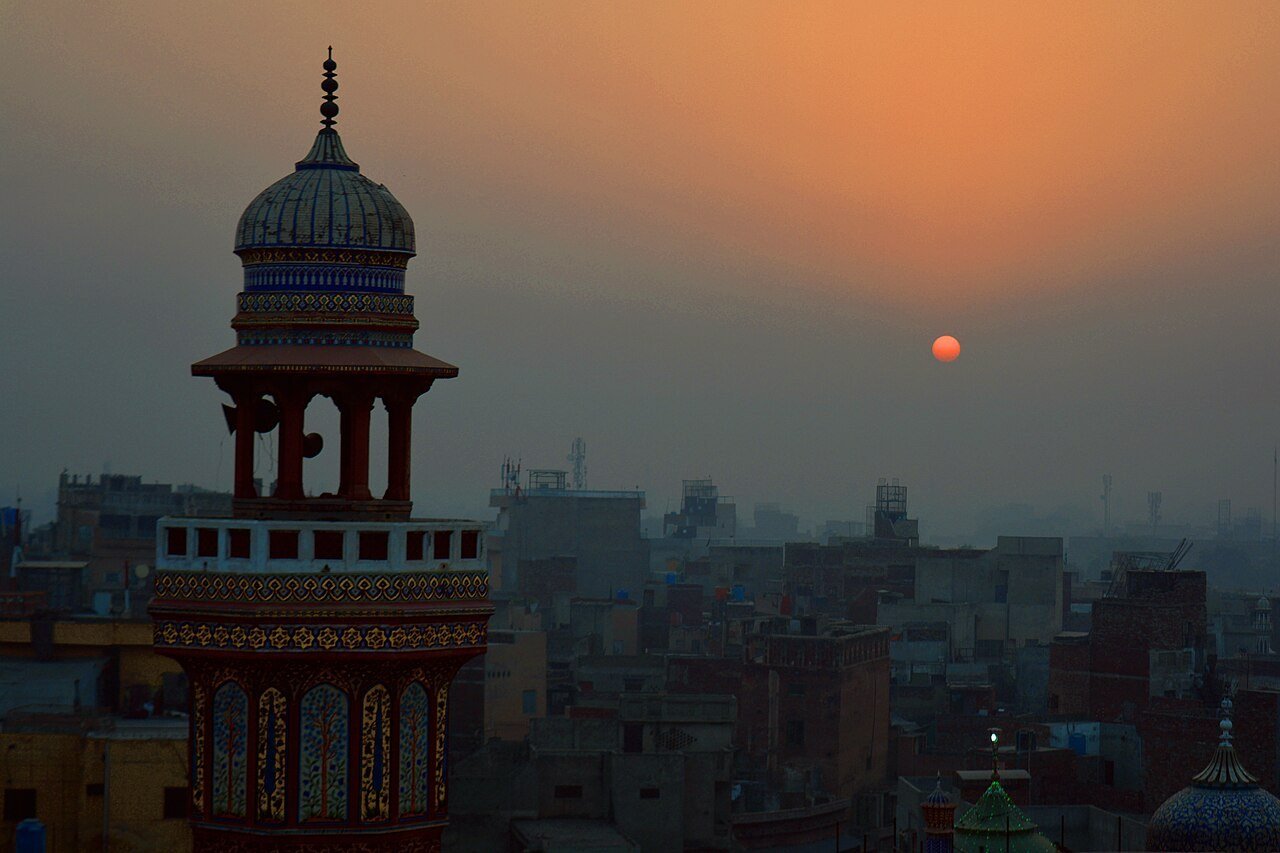
Sunrise from the Wazir Khan Mosque over the rooftops of the Walled City of Lahore.
Photo: Ehtasham Khan, CC BY-SA, via Wikimedia Commons
Honest Cautions Behind the Good News
The figures deserve a clear-eyed reading. They are government-supplied numbers, drawn from Punjab’s own hospital records and Environmental Protection Agency monitoring, and they have not been independently audited. Weather also played a part: the environment secretary and independent analysts alike note that wind, rain and temperature strongly influence how bad any given month looks, so one cleaner October cannot be credited to policy alone. And cleaner is a relative term in Lahore. An AQI that stays below 300 still leaves many days in the unhealthy range, and the secretary herself pointed out that the World Health Organization guideline for annual average PM2.5 is 5 micrograms per cubic metre, far below Lahore’s current level. “Lahore can get rid of its smog, but it will take years, not just one season,” she said. “The first goal is to bring PM2.5 levels down a little further every year.”
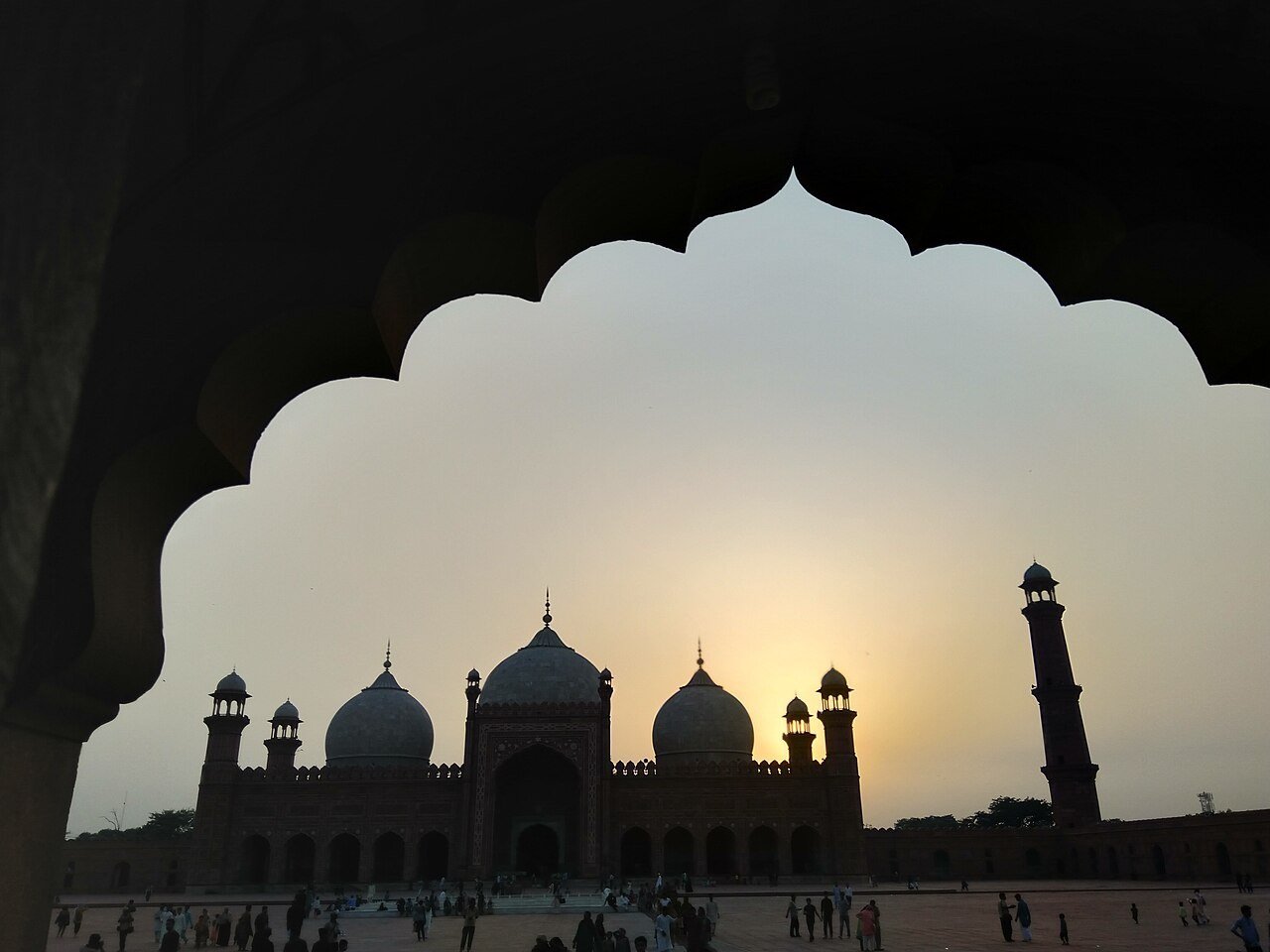
The Badshahi Mosque in warm evening light, sharply visible against a clear sky.
Photo: Rutaba Niazi, CC BY-SA 4.0, via Wikimedia Commons
Why a Cleaner October Matters for Pakistan
Even with those cautions, the direction of travel matters. Smog has become one of the defining public health burdens of Punjab’s winters, closing schools, filling hospital wards and shortening lives, so a year in which millions fewer patients sought treatment for smog-related illness is a genuine gain for families across the province. The cleanest October in five years also shows something Pakistan has often been told it cannot do: enforce environmental rules at scale, across thousands of brick kilns, factories, farms and vehicles at the same time. If the trend holds through the harder winter months and into next year, Lahore’s experience could become the working model for other Pakistani cities that breathe the same difficult air.
Sources
TechJuice: Fog or Smog? Understanding Punjab’s Winter Air Pollution Challenge
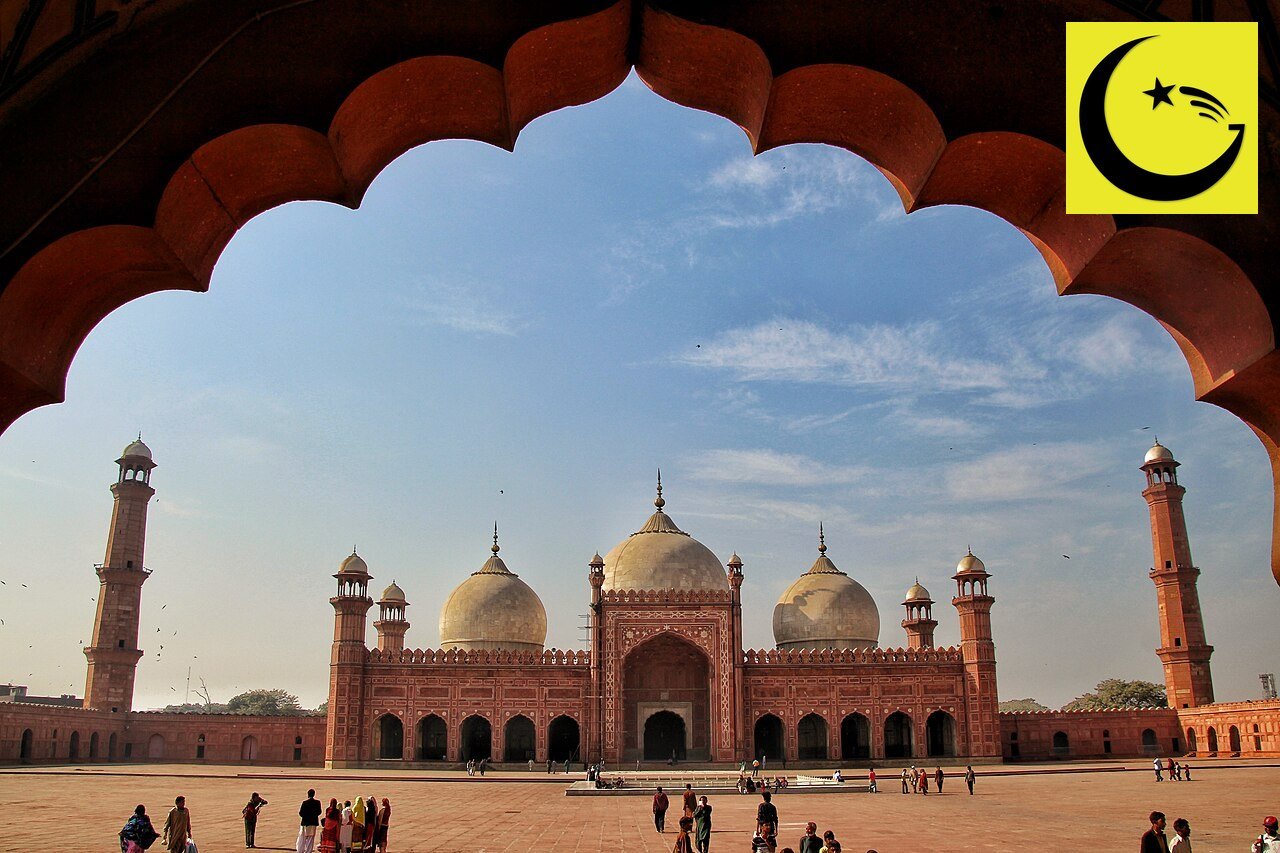
Photo credits: Featured photo, the Badshahi Mosque in Lahore under a clear sky, by Fassifarooq, CC BY-SA 4.0, via Wikimedia Commons. Body photo 1, sunrise from the Wazir Khan Mosque over the Walled City of Lahore, by Ehtasham Khan, CC BY-SA, via Wikimedia Commons. Body photo 2, the Badshahi Mosque in evening light, by Rutaba Niazi, CC BY-SA 4.0, via Wikimedia Commons.

Umar Farooq is the founder and editor of Good News Pakistan. An engineer by profession and a writer by passion, he started the site in December 2022 to share good news from Pakistan, and has since written and edited more than 200 articles about its people, sports, science, business and world records. He believes the story of Pakistan is bigger than its headlines, and that good news, told honestly, is worth telling every day.
- Umar Farooq
- Umar Farooq
- Umar Farooq
- Umar Farooq
- Umar Farooq