

Three alumni of FAST-NUCES Islamabad have carried Pakistan onto the winners list of a global technology contest, as their startup Matrix-AE took second place in the Grand Prize category of the Microsoft Premier League hackathon with an AI football product called Footballlytics. The Microsoft Premier League hackathon, run by Microsoft with the Premier League under the name Inside the Game, asked developers around the world to build AI tools that turn live football data into richer experiences for fans.
Microsoft announced the winners at Microsoft Ignite 2026 on 19 November 2026. Six winning teams came from five countries, and the Grand Prize first place went to Pitch Ledger, built by Ephraim Cabanlit of the Philippines. Right behind it came Footballlytics, credited by Microsoft to Farquleet Farhat Gondal, Fahad Ramzan and Sheheryar Ramzan of Pakistan. CW Pakistan reported that the Matrix-AE team won a prize of approximately $10,600, and FAST-NUCES said the three are BS Computer Science graduates of its 2020 batch who now work together as the startup Matrix-AE.
What Footballlytics Does
Footballlytics is built around a simple problem: on a busy matchday, several games run at once and no fan can watch them all. The product gives each viewer a Personal Director agent that follows their chosen club, their fantasy squad and the one statistic they care about across up to ten simultaneous matches. It decides when to switch the action or open a picture-in-picture window, and every card on screen explains why it appeared. A Taste Learner studies what a fan skips, likes and replays, so the broadcast keeps adapting to the person watching.
Stories are produced in fan, analyst, kids and audio-description modes, written natively in seven languages. Behind the scenes, a deterministic stats engine calculates the facts, including pass difficulty, pitch control, momentum, pressing and live fantasy points. An Analyst agent explains why a moment matters, a Verifier checks every claim against the live data and sends wrong numbers back for a rewrite, and a Host agent writes the verified story for each audience. The team even made the safeguard testable: viewers can inflate a statistic in the studio view and watch the Verifier reject it.
Built on Microsoft AI, Judged by the Premier League
Like the other winning entries in the Microsoft Premier League hackathon, Footballlytics was built with Microsoft Agent Framework and Microsoft Foundry, the stack Microsoft highlighted across the winning projects. The Premier League partnered with Microsoft on the contest and helped judge the final entries, so the projects were measured by both a technology giant and one of the biggest sports brands on the planet. The winning repositories are public, which means students in Pakistan can open the Footballlytics code and study exactly how a prize-winning multi-agent system was put together.

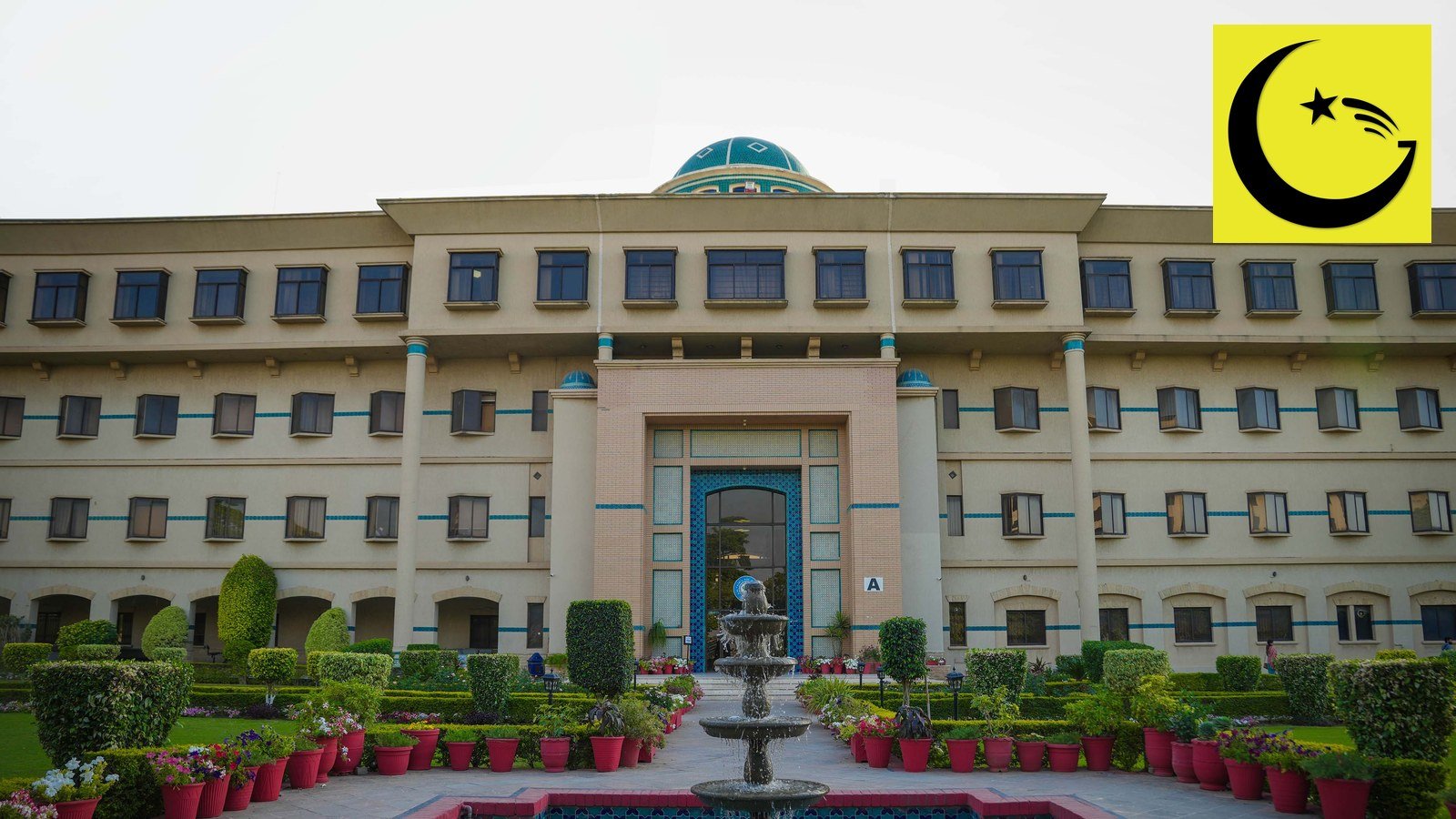
The FAST Islamabad campus and its lawns, where the three founders studied computer science.
Photo: AtomCamp
A Win That Reaches Beyond One Team
Results like this matter for Pakistan because they change what young Pakistani developers believe is within reach. A three-person alumni team from an Islamabad campus entered a contest run by Microsoft and the Premier League, competed against developers worldwide, and finished second overall, ahead of category winners from several other countries. It is practical proof that Pakistan’s computer science graduates can build production-grade AI products, not just coursework, and that a small startup from Pakistan can stand on the same stage as the world’s biggest technology names. For students now choosing projects at FAST-NUCES and other universities, Footballlytics sets a clear example: build something real, enter global contests, and let the work speak.
Sources
- Microsoft Tech Community: Announcing the Inside the Game Developer Hackathon winners
- CW Pakistan: FAST-NUCES Alumni Startup Matrix-AE Wins Second Place at Microsoft Premier League Hackathon
- FAST-NUCES Islamabad Campus announcement on Facebook
Photo credits: FAST-NUCES Islamabad Campus (official FAST-NUCES website); AtomCamp. The FAST-NUCES announcement photo of the three team members appears on the university’s official Facebook post linked above.

Umar Farooq is the founder and editor of Good News Pakistan. An engineer by profession and a writer by passion, he started the site in December 2022 to share good news from Pakistan, and has since written and edited more than 200 articles about its people, sports, science, business and world records. He believes the story of Pakistan is bigger than its headlines, and that good news, told honestly, is worth telling every day.
- Umar Farooq
- Umar Farooq
- Umar Farooq
- Umar Farooq
- Umar Farooq