

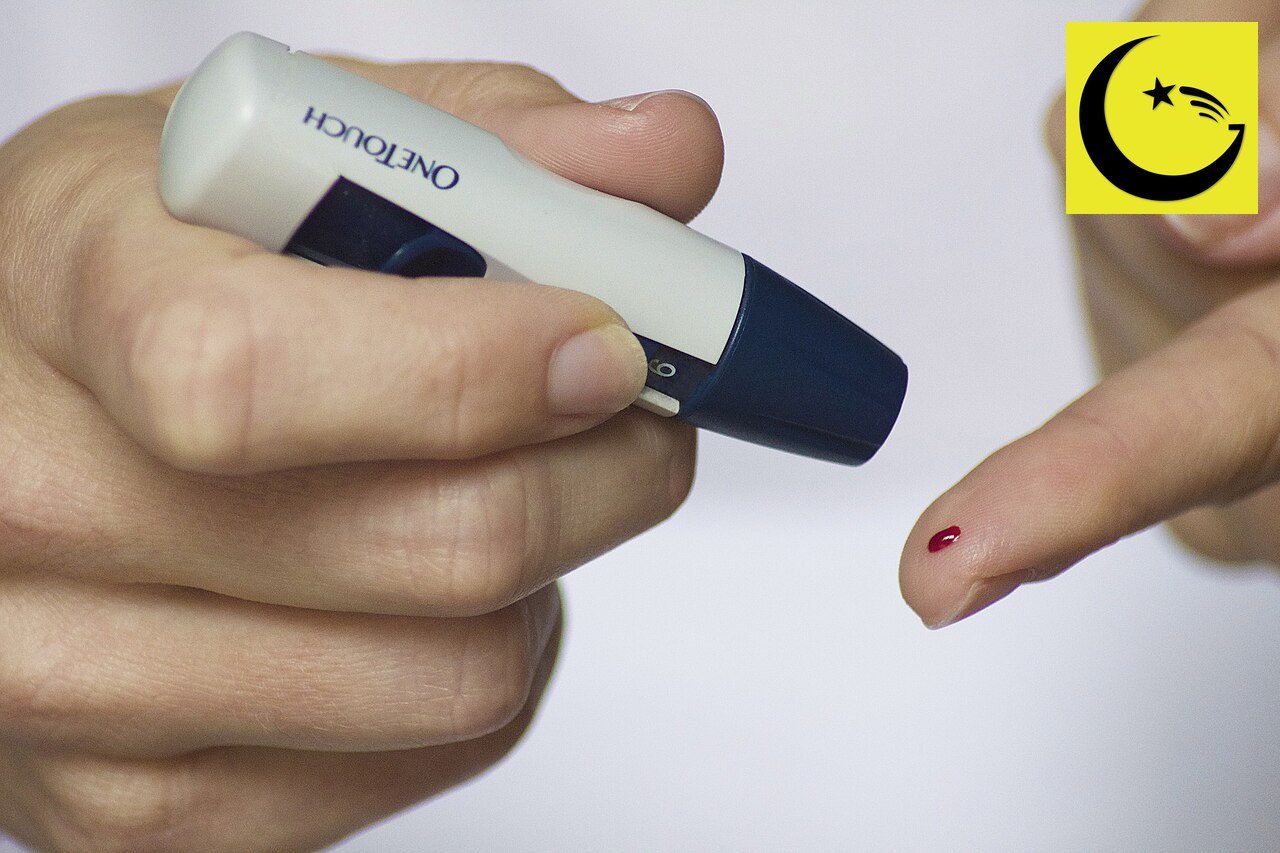
Pakistan will launch its first national diabetes prevention programme from Islamabad this month, in a landmark shift from treating the disease late to catching it early. The programme, prepared by the Diabetes Association of Pakistan with the federal Ministry of Health on the directions of the prime minister, will run in phases over three to five years and is backed by a federal allocation of Rs6.8 billion.
A first in the country’s history
The announcement came at a one-day scientific conference in Karachi organised by the Diabetes Association of Pakistan (DAP) to mark World Diabetes Day, held under the theme “Early Action on Diabetes” and attended by specialists from Pakistan and abroad. DAP Secretary General Professor Dr Abdul Basit told the conference that a formal national programme of this kind has been designed for the first time in the country’s history. It will start in Islamabad as a model project before expanding to the provinces, and the details of the committee that will oversee it are expected to be announced within one to two weeks.
The money behind the programme was confirmed by Prime Minister Shehbaz Sharif in his World Diabetes Day message on 14 November 2026. The federal government has allocated Rs6.8 billion for the Prime Minister’s Programme for Prevention and Control of Diabetes Mellitus, with the stated aims of expanding screening coverage for early detection, improving primary healthcare services and improving access to diagnosis and treatment.
How the national diabetes prevention programme will work
The first phase puts public awareness and early risk assessment ahead of everything else. Rather than waiting for people to reach a clinic, the programme wants citizens to check their own risk first, using a simple self-screening tool called the RAPID Score. Later phases will establish prevention, diagnosis and treatment facilities across the country, so that people flagged as high risk have somewhere to go for confirmation and care.
RAPID stands for Risk Assessment of Pakistani Individuals for Diabetes. It asks just three questions and gives a result in about 30 seconds, with no blood test and no medical examination. Age scores zero points for people under 40, one point for those aged 40 to 60 and three points for those over 60. Waist size adds two points at 90 centimetres or more for men and 80 centimetres or more for women. A parent or sibling with diabetes adds one more point. A total of four or more means elevated risk, and the advice is to follow up with a proper blood test. The score was validated in the second National Diabetes Survey of Pakistan, giving it a homegrown evidence base.
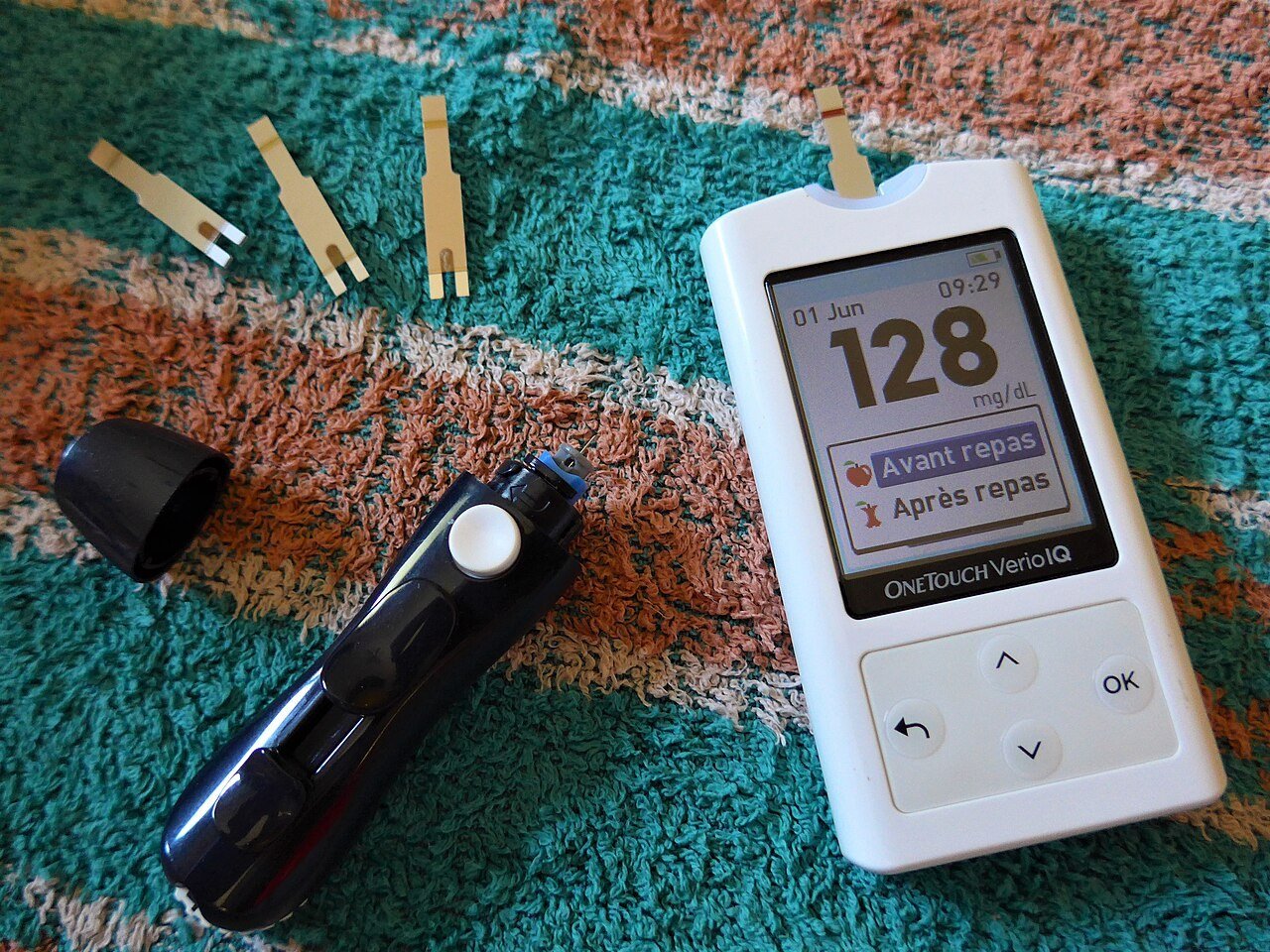
A continuous glucose sensor worn on the upper arm, part of the modern monitoring that early diagnosis leads to.
Photo: Celeda, CC BY-SA 4.0, via Wikimedia Commons
The scale of the challenge
The programme arrives at a moment when the numbers are impossible to ignore. According to the International Diabetes Federation’s Diabetes Atlas, an estimated 34.5 million adults in Pakistan were living with diabetes in 2024, an age-standardised prevalence of 31.4 percent, the highest rate recorded for any country in the Atlas. The World Health Organization puts it plainly: diabetes already affects one in three adults in Pakistan, and the country carries more than 40 percent of all estimated cases in the WHO Eastern Mediterranean Region. Around 9.3 million Pakistanis are thought to have the disease without knowing it, which is exactly the gap a simple screening tool is designed to close.
Screening that meets people where they gather
A second strand of the effort borrows a proven idea from Bangladesh. A mosque-based diabetes awareness and screening model, led by renowned diabetologist Professor A.K. Azad Khan, will be introduced in Pakistan early next year and then extended to all 57 member states of the Organisation of Islamic Cooperation, with Pakistan as the starting point. An application for a grant to support the project has been submitted to the Higher Education Commission, with a decision expected within two to four months, but Professor Basit has said the launch will go ahead early next year even if the grant is refused, using personal resources if needed.
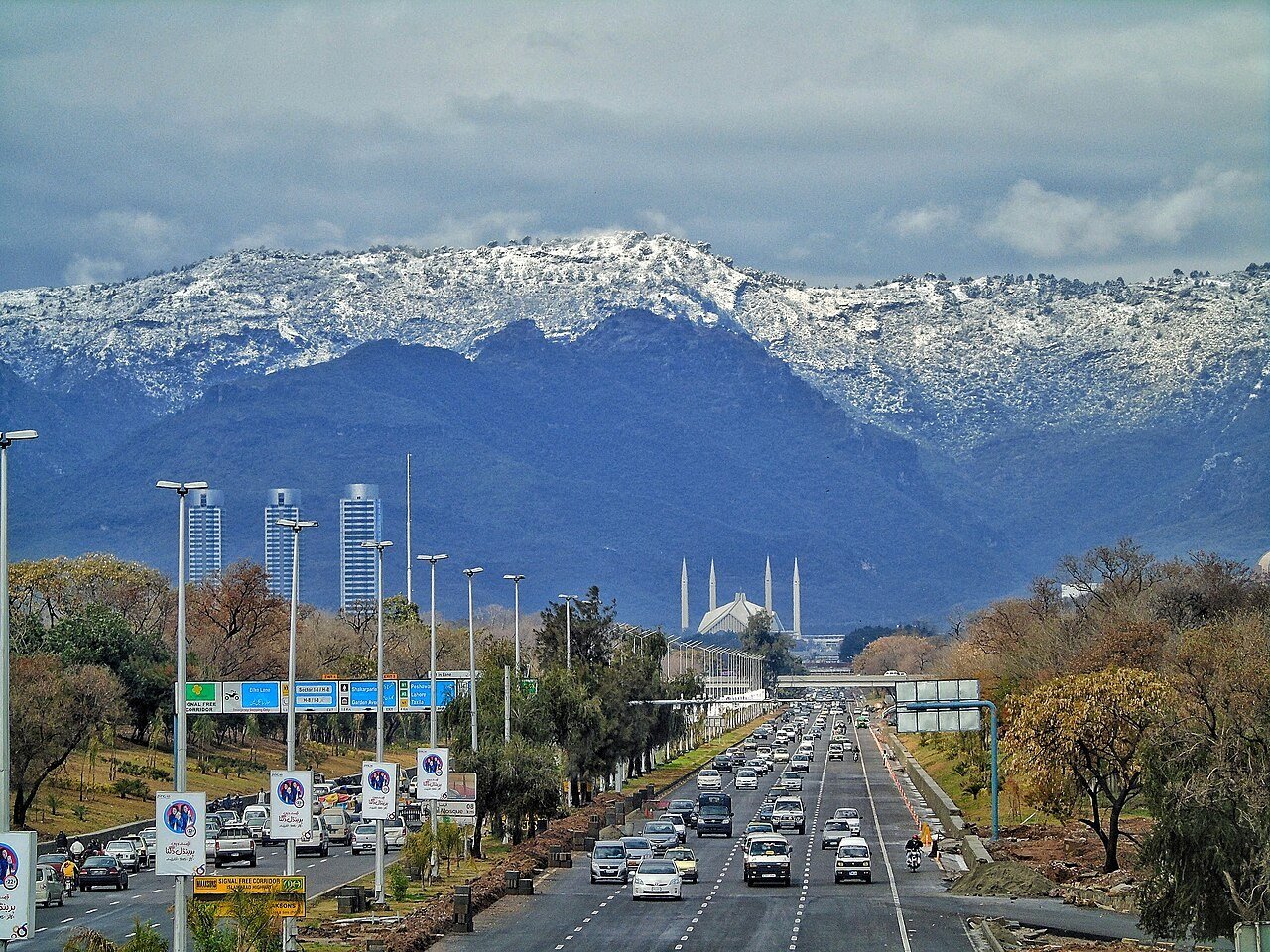
Faisal Mosque in Islamabad, the city the programme launches from, and a symbol of its mosque-based screening strand.
Photo: Fassifarooq, CC BY-SA 4.0, via Wikimedia Commons
Why prevention is the smartest money Pakistan can spend
Diabetes is cheapest on the day it is prevented and most expensive on the day it causes a heart attack, kidney failure or blindness. A national diabetes prevention programme built around a free 30-second self-check flips the usual order of Pakistani healthcare, where patients typically arrive after complications have set in. If even a fraction of the millions of undiagnosed Pakistanis are found early, the savings in treatment costs, lost working years and family hardship will dwarf the Rs6.8 billion set aside. With the mosque-based model set to travel from Pakistan to 56 other countries, Pakistan also has a chance to become an exporter of public health practice, not only a recipient of it.
Sources
- The News: National diabetes control programme to be launched
- Health Matters: Pakistan to launch first-ever National Diabetes Prevention and Control Program
- Prime Minister’s Office: Prime Minister’s message on World Diabetes Day, 14 November 2026
- WHO Eastern Mediterranean Regional Office: 34.5 million people live with diabetes in Pakistan
- The News: Pakistan’s diabetes burden may double to 70m by 2050, warns IDF president
Photo credits: Blood sugar testing photo by Reversing Your Diabetes Today via Pixabay (CC0), via Wikimedia Commons. Faisal Mosque photo by Fassifarooq, CC BY-SA 4.0, via Wikimedia Commons. Glucose sensor photo by Celeda, CC BY-SA 4.0, via Wikimedia Commons.

Umar Farooq is the founder and editor of Good News Pakistan. An engineer by profession and a writer by passion, he started the site in December 2022 to share good news from Pakistan, and has since written and edited more than 200 articles about its people, sports, science, business and world records. He believes the story of Pakistan is bigger than its headlines, and that good news, told honestly, is worth telling every day.