

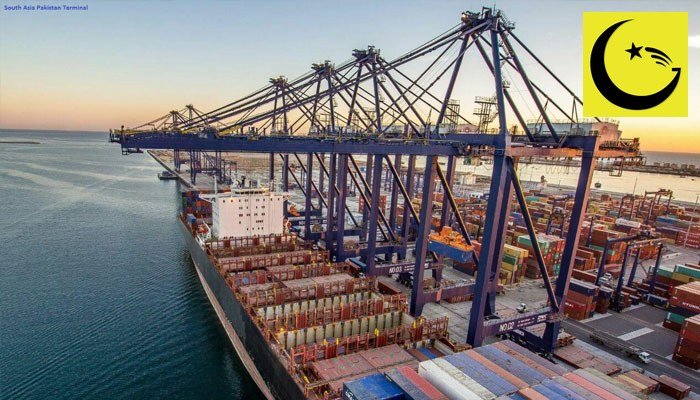
Pakistan has asked China for zero-tariff access to China for its goods, with a target of raising annual exports from about $3 billion to between $20 billion and $25 billion. Planning Minister Ahsan Iqbal put the request to Liu Haixing, Minister of the International Department of the Communist Party of China Central Committee, at a meeting in Beijing on 26 November. Alongside the trade ask, Pakistan proposed a Knowledge Corridor that would send about 10,000 Pakistani scholars to Chinese universities over ten years.
No Chinese decision has been announced. What exists so far is a Pakistani request, made at a senior level and repeated: the proposal was first discussed on 3 November, and Prime Minister Shehbaz Sharif has also raised it with President Xi Jinping.
What zero-tariff access to China would change
The numbers explain the ask. Pakistan’s exports to China in the 2024-25 financial year were $2.375 billion, according to official figures reported by Business Recorder, and $2.16 billion of that already moved under the existing China-Pakistan Free Trade Agreement. Imports from China in the same period were around $20 billion. Pakistan sells roughly one dollar of goods to China for every eight or nine dollars it buys.
Iqbal’s argument in Beijing was that China can absorb far more. China’s total imports are worth nearly $3 trillion a year. He also pointed to the tariff concessions China has extended to African countries as a working model for the kind of access Pakistan wants. Even a modest share of that import market, the Pakistani case runs, would multiply the current export figure several times over.
Zero tariffs alone would not do it. Pakistani exporters would still need products that meet Chinese standards, in volumes Chinese buyers want, shipped on reliable schedules. But tariffs are the first barrier, and they are the one a government-to-government deal can remove.
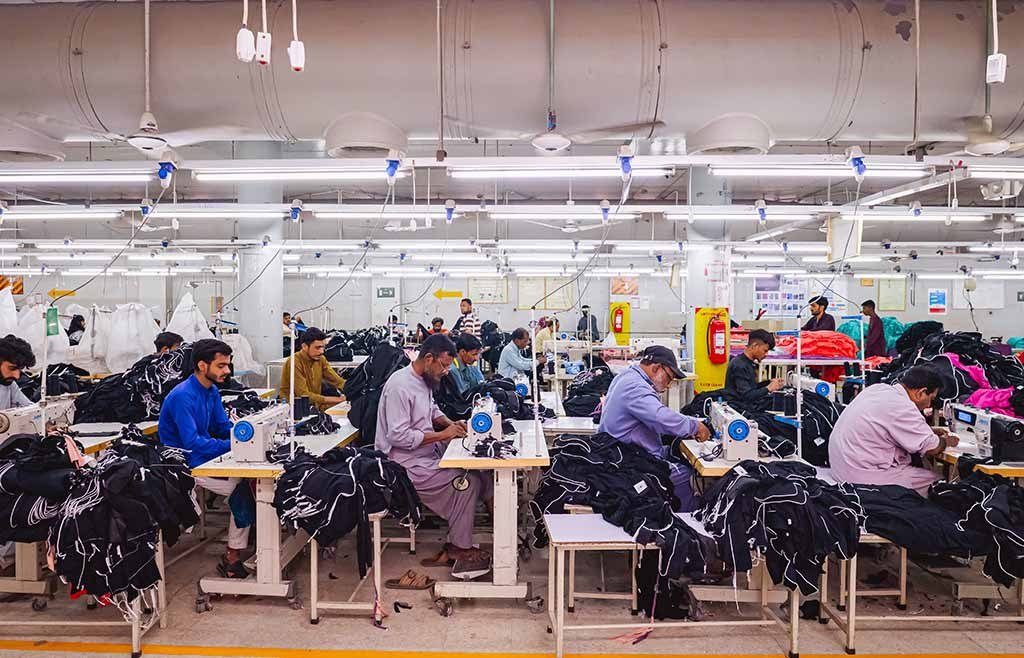
Photo: AMNA (amna.com.pk)
The Knowledge Corridor: 10,000 scholars over ten years
The second proposal is about people rather than containers. Pakistan is seeking Chinese support for about 10,000 scholars to pursue doctoral studies and specialised research over the next decade, through scholarships, partnerships with leading Chinese universities and co-financing arrangements. The priority fields are artificial intelligence, engineering, advanced manufacturing, modern agriculture, biotechnology and mineral sciences.
The fields are not random. They map onto the sectors where Pakistan says it wants Chinese investment and technology next, from farm productivity to minerals. A scholar pipeline is slow money: a PhD cohort starting in 2027 returns years later. It is also the kind of cooperation that outlasts individual projects.
Iqbal framed both requests inside the existing relationship. By his figures, the first phase of the China-Pakistan Economic Corridor brought about $25 billion of investment, added more than 8,000 megawatts of power capacity, built 888 kilometres of highways and motorways, and created an estimated 236,000 jobs. The zero-tariff access to China request is, in effect, an argument that the second phase should be measured in export earnings as much as in infrastructure.
What we do not know yet
Three things are missing. First, China’s answer: Beijing has not announced any decision, concession or negotiating round on the tariff request. Second, the product list: which Pakistani goods would be covered, and whether sensitive lines would be excluded, is not public. Third, the timeline: there is no date for talks, let alone for any change at the border. The Knowledge Corridor is at the same stage. The number of scholars, the fields and the ten-year span are Pakistan’s proposal, not an agreed programme.
Sources
- The Diplomatic Insight: Pakistan Pushes for Zero-Tariff Trade Access to China
- South Asian Desk: Pakistan seeks zero-tariff access to China
- Featured photo: The News
- Body photo: AMNA (amna.com.pk)

Umar Farooq is the founder and editor of Good News Pakistan. An engineer by profession and a writer by passion, he started the site in December 2022 to share good news from Pakistan, and has since written and edited more than 200 articles about its people, sports, science, business and world records. He believes the story of Pakistan is bigger than its headlines, and that good news, told honestly, is worth telling every day.
- Umar Farooq
- Umar Farooq
- Umar Farooq
- Umar Farooq
- Umar Farooq