

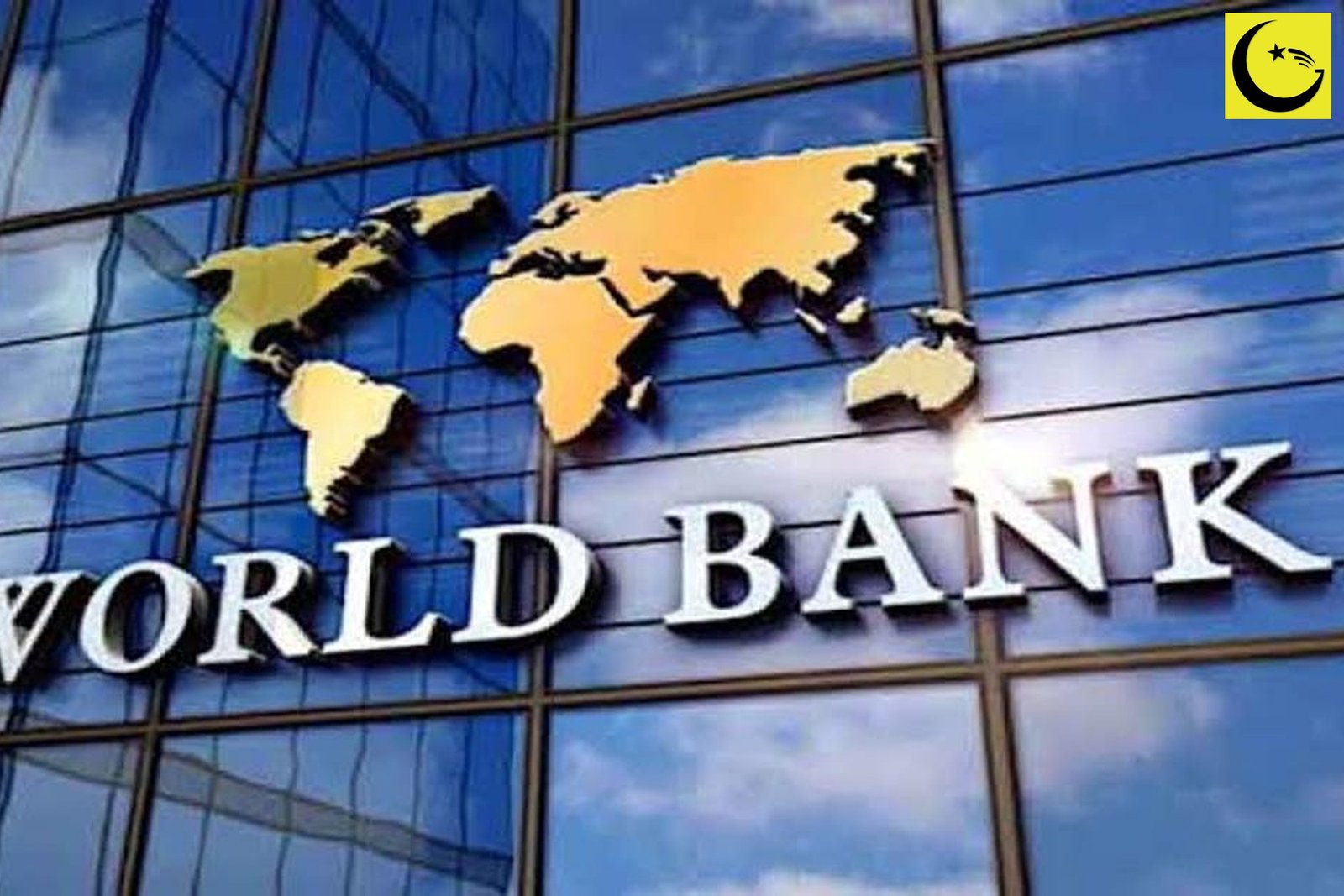
The World Bank Pakistan Development Update 2026, released in Islamabad on October 22 under the title Attaining Escape Velocity, says faster implementation of structural reforms could triple Pakistan’s incomes by 2050. The World Bank Group report argues that, after several years spent restoring macroeconomic stability, Pakistan now has a genuine opportunity to grow faster and create more jobs, provided the next phase of reform moves quickly.
The timing matters. This is an assessment published after a period of stabilisation, not a warning issued in a crisis, and its message is about what comes next. GoodNews.com.pk has already covered part of that backdrop, including reserves reaching $21.5 billion as the SBP governor briefed global investors in Bangkok.
World Bank Pakistan Development Update 2026: Stability Delivered 3.7 Percent Growth
The report records that real GDP growth rose to 3.7 percent in FY26, up from 3.2 percent in FY25. The World Bank credits sound macroeconomic policies with stabilising the economy and preserving growth despite the impact of the Middle East conflict, a shock that raised risks for energy importers across the region.
The fiscal numbers are the strongest part of the story. Revenue growth combined with expenditure restraint produced a record primary fiscal surplus of 2.9 percent of GDP in FY26, while strong workers’ remittances allowed foreign exchange reserves to be rebuilt. Those improvements were recognised by S&P and Moody’s, which upgraded Pakistan, and they enabled the country’s return to international debt markets through a $3 billion Eurobond issuance. As GoodNews.com.pk reported at the time, the $3 billion Eurobond drew $6 billion in orders as reserves hit a then record $21.4 billion.
Why Per Capita Growth of 1.6 Percent Is the Real Problem
Against that progress, the report sets one stubborn figure. “Pakistan has made real progress in restoring stability, and markets have taken notice,” said Bolormaa Amgaabazar, World Bank Country Director for Pakistan. “But real per capita growth, the rate at which the income of the average Pakistani increases, remains stuck at around 1.6 percent. Reforms to drive faster growth are now urgently needed.”
That distinction between headline growth and per person growth is the heart of the World Bank Pakistan Development Update 2026. An economy expanding at 3.7 percent while incomes per person rise at only around 1.6 percent is improving slowly for the average household. The Bank’s argument is that stabilisation on its own cannot close that gap: only faster overall growth, driven by private investment and job creation, can lift the average income at a pace people actually feel.
World Bank Pakistan Development Update 2026: A Path to 6.2 to 6.9 Percent Growth
The report’s headline finding is that such faster growth is achievable. If Pakistan follows the path taken by other successful reforming countries and upgrades its policies and institutions to the quality seen in the average middle-income country, the Bank estimates it could sustain annual growth of 6.2 to 6.9 percent. Growth at that pace would be sufficient for Pakistan to reach Viet Nam’s current level of income by 2050, and the report sets out reforms that could help the country reach the per capita income levels of countries currently at the upper-middle-income threshold by the same year.
“With macro stabilization achieved but fiscal resources and foreign exchange still tightly constrained, structural reform to encourage private investment is the necessary next step towards higher living standards,” said Sebastian Essl, lead author of the report. He added that achieving private-sector-led growth requires a plan, coordination and committed reform implementation. The World Bank Pakistan Development Update 2026 therefore reads less as a forecast and more as a conditional offer: the growth rates are available, but only in exchange for sustained reform delivery.
Reforms Already Under Way, and What Comes Next
Some of the building blocks are already in place, according to the World Bank Pakistan Development Update 2026. Timely power sector tariff adjustments helped cut energy subsidies from 1.1 percent of GDP in FY25 to 0.8 percent in FY26, trade liberalisation has continued under the National Tariff Policy, and Pakistan International Airlines has recently been privatised. The Bank says sustained progress will depend on continued reforms to strengthen the business environment, reform the tax system, reduce the state’s presence in the economy and expand access to finance.
Private sector momentum will be central to whether that agenda delivers. Export earnings from services are one area where Pakistani firms are already competing globally, with IT exports reaching $435 million in September 2026, the second-highest monthly figure on record. Readers can explore the findings in the World Bank’s release on the report and in the full Pakistan Development Update document.
The relationship behind the report is a long one. Pakistan has been a member of the World Bank since 1950, the Bank has provided around $52 billion in assistance over that period, and its current portfolio covers 47 operations with total commitments of about $16.1 billion. That history gives the World Bank Pakistan Development Update 2026 added weight as a roadmap for the decade ahead: stability, the Bank says, has been restored, and the task now is to turn it into faster growth, more jobs and incomes that could triple by 2050.
Sources
- World Bank, Pakistan: Faster implementation of structural reforms could see incomes triple by 2050, October 22, 2026
- World Bank, Pakistan Development Update Oct 2026: Attaining Escape Velocity, report document page
- Mettis Global News, Pakistan’s incomes could triple by 2050 with faster reforms: World Bank
- Bloom Pakistan, World Bank Says Pakistan Could Triple Incomes by 2050 With Faster Reforms
- Photo: Mettis Global News

Umar is an engineer by profession and a passionate writer by passion. He has a deep interest in sharing good news related to Pakistan and has been working hard to promote the positive image of his homeland. Umar has written numerous articles on various topics related to Pakistan, such as technology, sports, culture, and economy.