

Pakistan’s climate finance options widened this week as the Karandaaz Green Climate Fund accreditation was approved by the Board of the Green Climate Fund (GCF), the world’s largest dedicated climate fund. The decision, taken at the Board’s 46th meeting (B.46) in Songdo, South Korea, from 26 to 29 October 2026, makes Karandaaz Pakistan a direct access entity: it can now design climate projects and channel GCF money into Pakistan without routing proposals through international agencies.
What the Karandaaz Green Climate Fund accreditation allows
Accreditation is the GCF’s gatekeeping system. Only accredited entities may submit funding proposals and manage GCF financed projects, and applicants are assessed on financial management, safeguards, gender policy and project oversight. Under the revised accreditation framework, Karandaaz was applicant APL187, and the GCF Accreditation Panel recommended approval after screening confirmed it met the framework’s requirements. As a national direct access entity, Karandaaz can now build projects that link directly to Pakistan’s Nationally Determined Contributions, its National Adaptation Plan and the Pakistan Green Taxonomy, the official guide to what counts as a green investment.
In its announcement, Karandaaz said the partnership lets it access, blend and channel global climate finance toward high-impact initiatives across Pakistan. Direct access matters because decisions sit closer to the market: a Pakistani institution that knows local banks, small businesses and provincial governments can structure projects that fit local conditions, instead of waiting for an international intermediary to design them from outside.
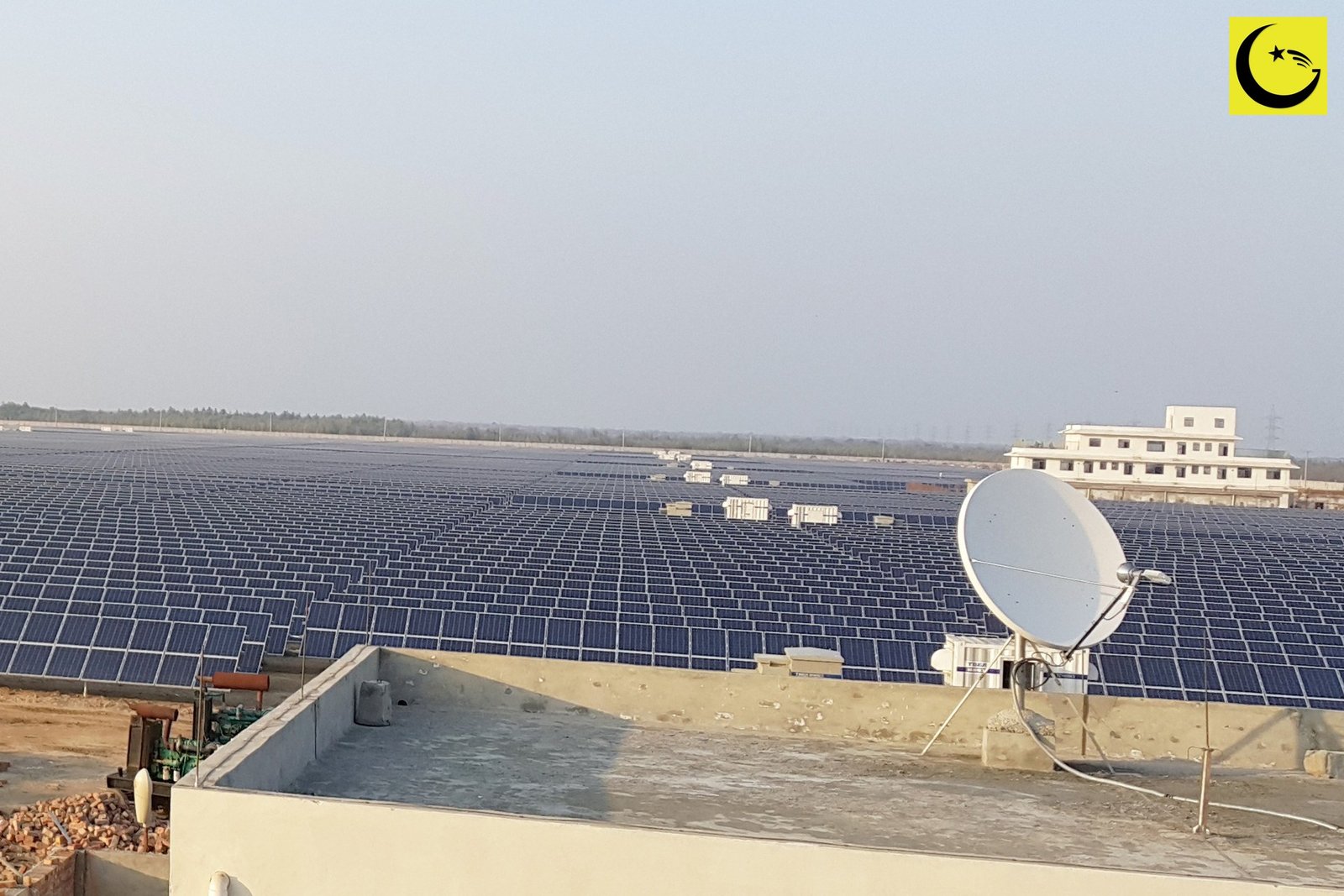
Photo: Janejenkins via Wikimedia Commons, CC BY-SA 4.0
The fund, and the Pakistani institution joining it
The Green Climate Fund was set up under the United Nations Framework Convention on Climate Change and is headquartered in Songdo. It is the world’s largest dedicated climate fund, raising money from developed countries and channelling it to adaptation and mitigation projects in the developing world, the countries least responsible for climate change and most exposed to its floods, heatwaves and droughts. Pakistan sits near the top of every global climate risk ranking, which makes direct access to that money a strategic asset rather than a bureaucratic trophy.
Karandaaz Pakistan, launched in 2014 with support from the UK’s development programme and the Bill & Melinda Gates Foundation, has grown into one of the country’s main impact investment platforms. It runs investment funds for small businesses, supports digital financial services, and has backed green ventures through its GreenFin Innovations work with early stage climate solutions. The Karandaaz Green Climate Fund accreditation connects that local machinery to the largest pool of climate finance in the world.
Part of a record week for the Green Climate Fund
Karandaaz was in good company at Songdo. The B.46 meeting accredited 16 new partners, nine of them direct access entities, and 13 of the 16 were the first entities accredited under the revised framework, with an average review time of four months against a nine month standard. The same meeting approved 21 projects, and the GCF reported that its financing topped 3 billion US dollars for a second consecutive record year. The Karandaaz Green Climate Fund accreditation therefore lands at a moment when the fund is moving faster and deliberately opening more room for national institutions in developing countries.
What Karandaaz plans to do with it
Karandaaz is a non-profit impact investment platform that works on financial inclusion, small business finance and digital payments in Pakistan. It says it will use the accreditation to mobilise private capital, reduce the risk of climate-smart investments, and support the sectors most exposed to climate shocks. Its chief executive, Waqas ul Hasan, called the accreditation a transformative chapter in the organisation’s journey and good news for green financing in Pakistan. The GCF’s Director of Investment Services, Achala Abeysinghe, said Karandaaz brings strong knowledge of local financial markets to the fund’s partnership network.
The practical targets are easy to name. Pakistan’s micro, small and medium sized enterprises struggle to borrow for solar power, efficient irrigation, cold storage and other climate-smart upgrades, because banks see them as risky. GCF backed programmes routed through Karandaaz can blend concessional money with private capital to lower that risk. The accreditation complements domestic efforts such as the government’s clean-air startup funding, which we covered in Pakistan Announces $10 Million Clean-Air Startup Fund to Fight Smog, and private sector green lending aimed at founders like those in the She’s Next Pakistan winners.
Accreditation is a beginning, not a cheque: Karandaaz must still develop individual projects and win GCF approval for each one. But the door is now open for Pakistan to originate its own large climate programmes at home, and to present them in Songdo with a national institution’s name on the proposal. More business and climate stories are collected on our Pakistani Startups and Business Success page.
Sources
- Karandaaz Pakistan press release: accreditation with the Green Climate Fund as a direct access entity
- GCF Board document B.46/03/Add.06: accreditation assessment of Karandaaz Pakistan (APL187)
- GCF financing tops USD 3 billion for consecutive record year, Green Climate Fund
- Photo: Janejenkins via Wikimedia Commons, CC BY-SA 4.0

Umar is an engineer by profession and a passionate writer by passion. He has a deep interest in sharing good news related to Pakistan and has been working hard to promote the positive image of his homeland. Umar has written numerous articles on various topics related to Pakistan, such as technology, sports, culture, and economy.