

The rites of Umrah take a few hours. The cities around them hold fourteen centuries. A good Makkah and Madinah ziyarat plan turns the days between prayers into a walk through the earliest history of Islam, and this guide lists the places pilgrims from Pakistan visit most, what happened at each, and how to pace them without exhausting yourself.
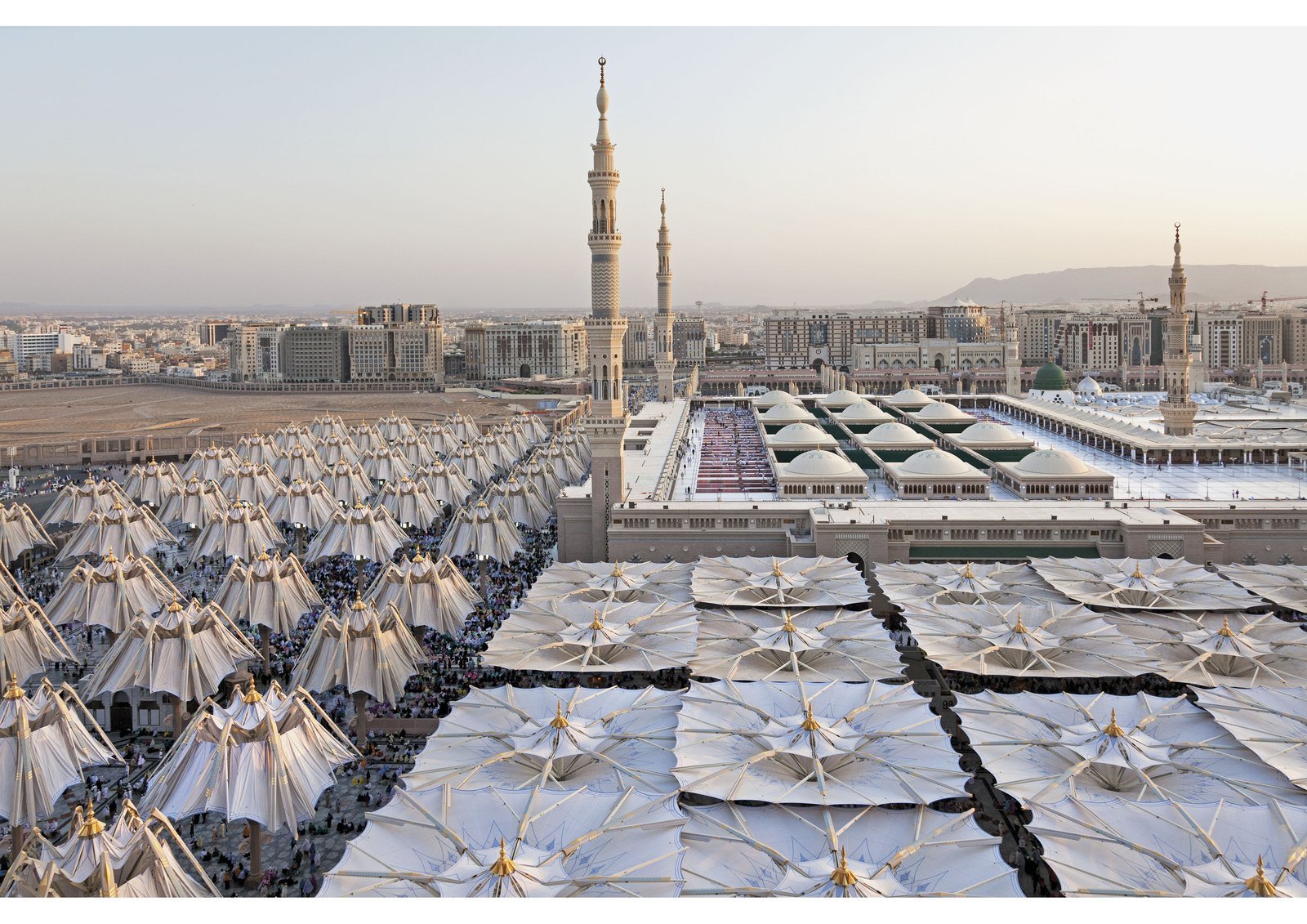
Photo: Anaya Ki Family via Wikimedia Commons, CC BY-SA 3.0
Madinah first: Quba, the mosque built on taqwa
Most pilgrims begin ziyarat in Madinah, and its crown is Quba Mosque, the first mosque founded in Islam, where the Prophet (peace be upon him) stayed on arriving from Makkah. Praying two rak’ahs at Quba carries the reward of a complete Umrah, according to the well-known hadith, so go in a state of wudu from your hotel, ideally on a Saturday morning as the Prophet did. Nearby stands Masjid al-Qiblatain, where the qibla was changed from Jerusalem to the Kaaba mid-prayer, its two historic mihrabs telling the story in stone.
Uhud, the Trench and the martyrs
North of the city rises Mount Uhud, site of the second great battle of Islam. At its foot lie the graves of the martyrs of Uhud, among them Hamzah ibn Abd al-Muttalib, the Prophet’s uncle; pilgrims greet them from the designated area and reflect rather than rush. The small hill of the archers, Jabal al-Rumah, still stands beside the cemetery, the geography of the battle readable at a glance. A short drive away, the site of the Battle of the Trench (Khandaq) is marked by the Seven Mosques, small mosques associated with the camps of that siege, with the larger Fath Mosque on its rise. Guides differ in the detail they offer at these stops; the ground itself needs little commentary.
Inside Madinah: Baqi, Ghamama and the dates of the oasis
Begin, of course, with the Prophet’s Mosque itself. Your days in Madinah will be built around its five prayers, the Rawdah appointment you book on Nusuk, and the greeting of the Prophet (peace be upon him) at his chamber. Around those anchors, the city’s own quarters reward an unhurried walk: the old streets south of the mosque, the Ottoman-era Hejaz Railway station a short drive away, and the small museums near the Haram that display the history of the Two Holy Mosques, their calligraphy and their expansion across the centuries.
Beside the Prophet’s Mosque lies Jannat al-Baqi, the cemetery of the Prophet’s family and companions. Entry is restricted to men at set times and the graves are unmarked, in keeping with the practice of the city; women greet the people of Baqi from outside, and everyone is asked to keep the visit quiet and brief. Near the mosque’s western side stands Masjid al-Ghamama, built where the Prophet prayed for rain and led Eid prayers. Round the city tour off with Madinah’s other gift, its farms and markets: the date souks near the mosque sell the city’s famous Ajwa and Safawi dates, and an evening visit makes a gentle end to a ziyarat day.
Makkah: the mountains of the first years
In Makkah, ziyarat looks upward. Jabal al-Noor carries the cave of Hira on its summit, where the first revelation came; the climb takes one to two hours in the cool of early morning, is steep and uneven, and is a climb to choose honestly based on your knees, not your enthusiasm. Jabal Thawr, south of the city, hides the cave where the Prophet and Abu Bakr sheltered during the Hijra; it is a harder climb still and many pilgrims view it from below. At ground level, visit Jannat al-Mualla, Makkah’s ancient cemetery where Khadijah, the Prophet’s wife, is buried, and drive through Mina, Arafat and Muzdalifah outside the Hajj days to see the Hajj landscape empty and quiet, with your guide explaining what each plain will hold. Many pilgrims also visit Masjid Aisha at Tan’im, the nearest miqat, to enter ihram for a second Umrah on behalf of themselves or a loved one who has passed.
How to run your ziyarat days
Group packages usually include one half-day tour in each city; private pilgrims can hire the same routes through their hotel or operator, and should agree the route, duration and price in writing before the car moves. Start at dawn in summer, carry water, and take one cluster per day: Quba and Qiblatain together, Uhud and Khandaq together, the Makkah mountains on their own morning. Ziyarat is remembrance, not sightseeing; the pilgrims who gain most from it are the ones who stand still at each place long enough to remember why they came.
Budget the trip around your ziyarat days using our Umrah packages from Pakistan guide, keep your documents safe with the checks in our free Umrah lucky draw reality check, and book your Rawdah slot in Madinah through the official app described in our Nusuk guide.
Sources
- Nusuk: official Umrah platform (Saudi Ministry of Hajj and Umrah)
- Saudi Ministry of Hajj and Umrah: official FAQ
- Photo: Saudi Press Agency via Wikimedia Commons, CC BY-SA 4.0

Umar is an engineer by profession and a passionate writer by passion. He has a deep interest in sharing good news related to Pakistan and has been working hard to promote the positive image of his homeland. Umar has written numerous articles on various topics related to Pakistan, such as technology, sports, culture, and economy.