

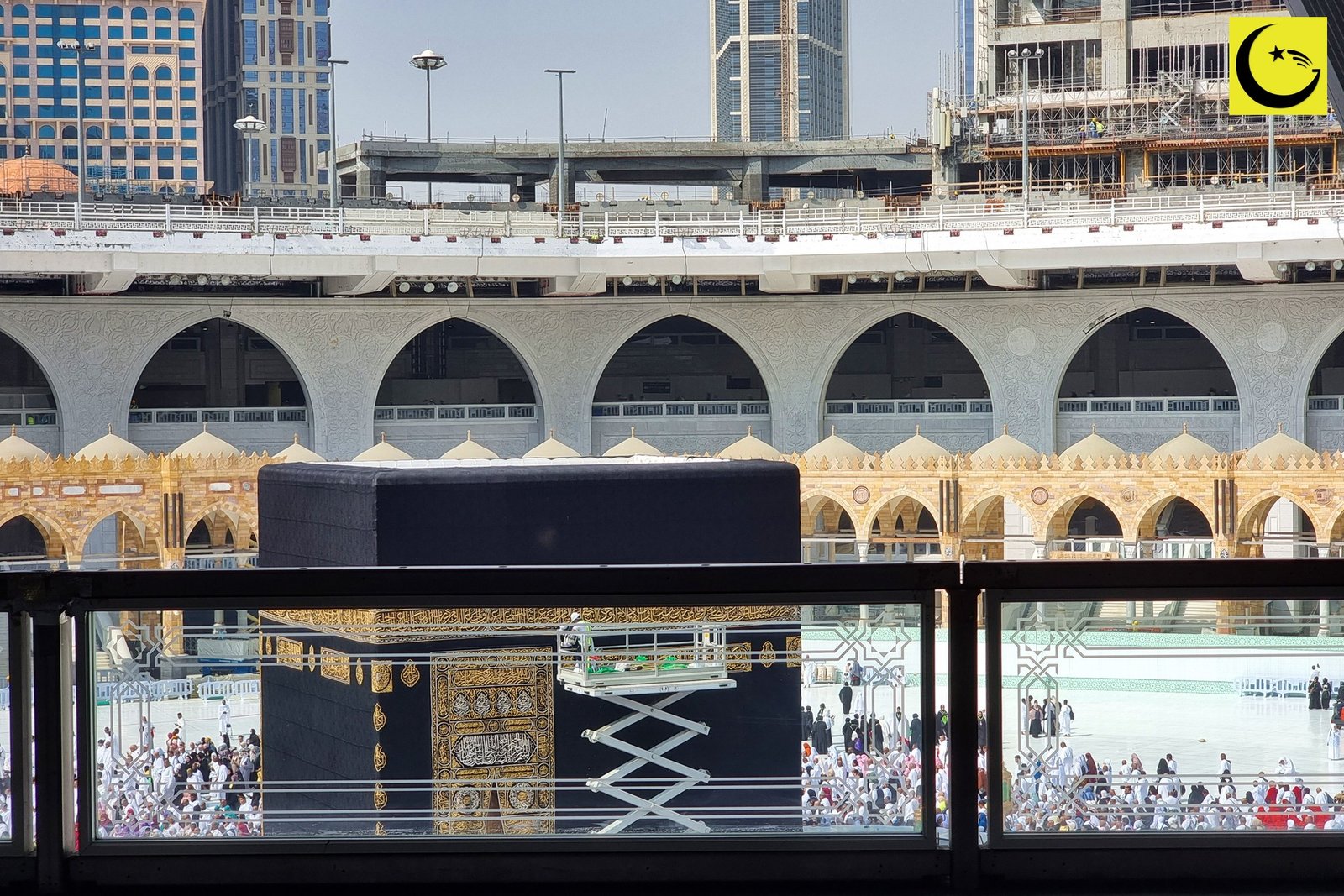
Search for “umrah lucky draw 2026 pakistan” or “free umrah package in pakistan 2026” and you will find dozens of offers, most of them worthless and some of them dangerous. This guide is the Pakistan-specific companion to our global real-vs-scam explainer: it looks only at free Umrah schemes in Pakistan, names which kinds are genuine, which are unconfirmed, and gives you seven checks to run before you trust any of them.
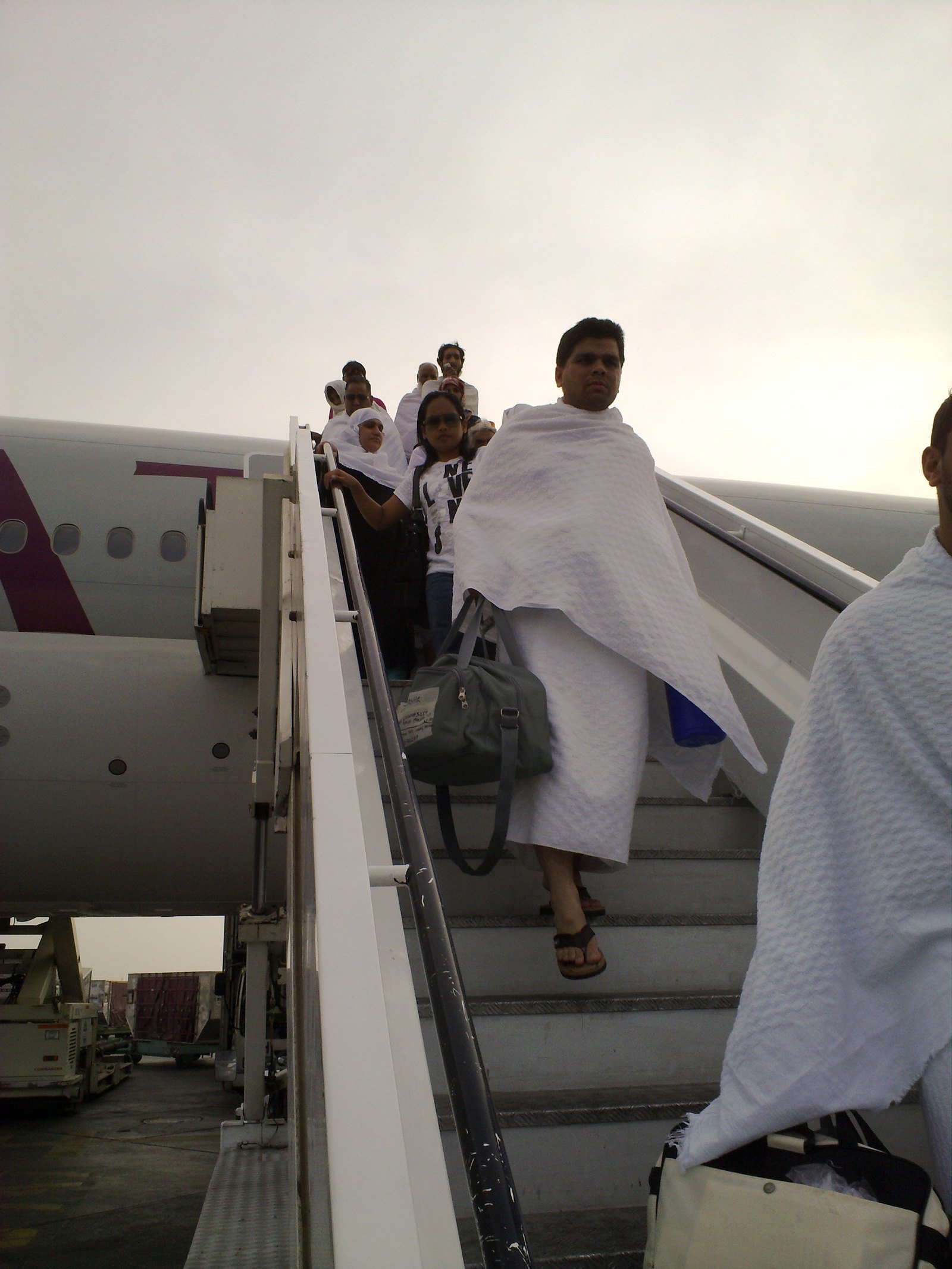
Photo: Omar Chatriwala / Al Jazeera English via Wikimedia Commons, CC BY-SA 2.0
The three kinds of free Umrah schemes in Pakistan
Almost every offer a Pakistani will meet falls into one of three groups. The first is official app campaigns, above all the Nusuk Free Umrah Challenge run by Saudi Arabia’s Ministry of Hajj and Umrah inside the official Nusuk app. Its most recent edition ran during Ramadan 2026 as a daily quiz with 30 winners. As of November 2026 no new edition has been announced in the app, so its status today is: real programme, not currently open, next edition unconfirmed until you see it inside the app itself. The second group is corporate promotions by real Pakistani or international brands. The clearest recent example, Yango Pakistan’s Umrah lucky draw, was genuine and has closed; its deadline was 13 September 2026. The third group is everything else: travel agency “draws”, Facebook page giveaways, mosque-committee collections and paid raffles. Some are small and sincere; many are marketing lists or outright fraud, and none of them should be believed without evidence.
The names you will hear, checked
KMI Travels (Karwan-e-Madinatul-Ilm) advertises an annual sponsored Umrah lucky draw on its own website, with applications claimed year-round and a draw each January. We could find no independent coverage of winners ever travelling, so its status is unconfirmed: do not send money, passport scans or CNIC copies on the strength of its own pages. Paid raffles, such as per-number draws that charge a few hundred rupees per lucky number, are not free schemes at all; they are gambling-style products wearing religious dress, and they should be avoided on that ground alone. Employer and charity sponsorships do exist in Pakistan: companies, welfare trusts and philanthropists quietly fund Umrah trips for employees, the elderly and the poor. These are real but private; you cannot apply through a viral post, and anyone claiming to collect applications for them publicly should be treated as unconfirmed until the sponsoring organisation confirms it on its own official channels.
Seven checks before you trust any scheme
One: is the organiser a real, findable organisation with an official website and address, not just a Facebook page? Two: are the terms, the draw date and the winner announcement method published in writing? Three: can you find named past winners, ideally with independent coverage? Four: does entry happen inside an official app or on the organiser’s own website, rather than through a WhatsApp forward or a personal account number? Five: is entry completely free at every stage, with no processing, release or documentation fee? Six: for travel companies, does the organiser appear on the Ministry of Religious Affairs’ attested operators list at mora.gov.pk? Seven: does the scheme ask only for the information it needs, and never for bank OTPs or card details? A genuine scheme passes all seven. Most scams fail at check five, the moment money appears.
How the Pakistan scams usually run
The pattern is familiar by now. A page copies the name and logo of a real brand or a government-sounding body, announces a “free umrah package in pakistan 2026” draw, and asks you to register through a form that harvests your CNIC number, passport photo and phone number. Days later a “winner” message arrives from a mobile number, asking for a processing fee through a personal mobile wallet before the prize can be released. The prize never exists. Variants include cloned airline pages, fake Nusuk websites selling permits that are free in the real app, and agents who take deposits for a draw and then vanish. The defence costs nothing: type official addresses yourself, verify on the organiser’s real channels, and walk away from any scheme that asks a winner to pay.
What to do instead
Keep the official Nusuk app installed and check its Rewards section yourself; when a genuine challenge edition opens, it will appear there first. Follow the official social accounts of brands whose draws you would enter, and enter only through them. And if a free trip does not come, take the honest road: our price guides exist so you can plan a paid Umrah on real numbers rather than hope.
Read next: our free Umrah lucky draw 2026 reality check covers the global picture and the worst scams, our Umrah packages from Pakistan guide gives the real cost of going, and our Nusuk Free Umrah Challenge guide shows exactly how the one official app campaign works.
More Umrah Guides From Good News Pakistan
- Nusuk Free Umrah Challenge Guide 2026
- Free Umrah Lucky Draw 2026: What Is Real and What Is a Scam
- Umrah Packages from Pakistan 2026: Prices and How to Book Safely
- Makkah and Madinah Ziyarat Guide: Places to Visit on Your Umrah Trip
Sources
- Nusuk: official Umrah platform (Saudi Ministry of Hajj and Umrah)
- Wego: Free Umrah 2026, legit ways to get sponsored
- Photo: Richard Mortel via Wikimedia Commons, CC BY 2.0
- Photo: Omar Chatriwala / Al Jazeera English via Wikimedia Commons, CC BY-SA 2.0

Umar is an engineer by profession and a passionate writer by passion. He has a deep interest in sharing good news related to Pakistan and has been working hard to promote the positive image of his homeland. Umar has written numerous articles on various topics related to Pakistan, such as technology, sports, culture, and economy.