

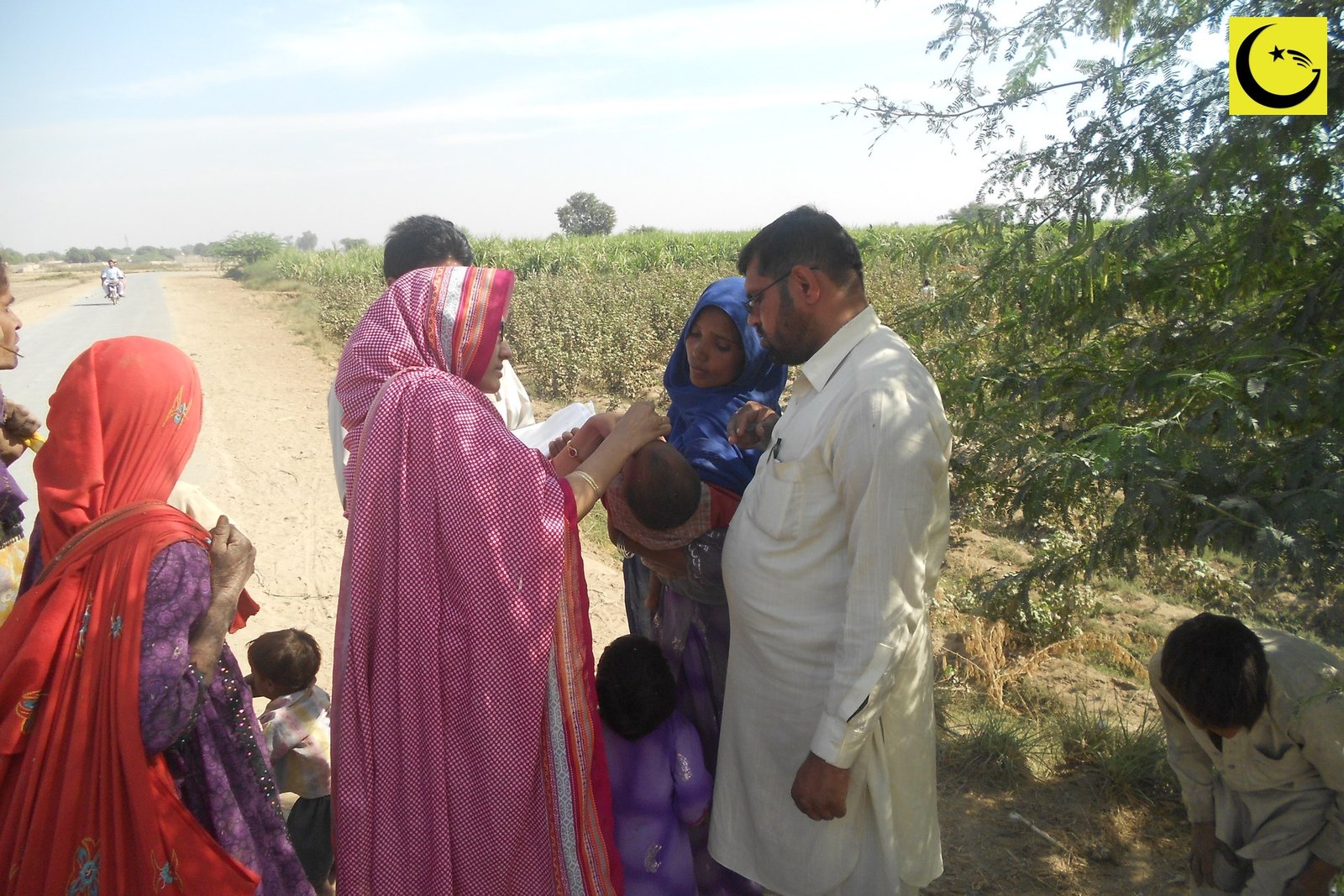
Pakistan’s latest polio vaccination campaign opened on Monday 2 November 2026, sending more than 200,000 frontline workers door to door to vaccinate about 24 million children under five across 97 districts. The week-long sub-national drive runs until 8 November, with teams working house to house as well as at fixed sites and transit points, and a matching round is running at the same time in Afghanistan, the only other country where wild poliovirus still circulates.
The round is a genuine new step in the endgame, not a repeat of earlier drives. Pakistan has already run four large-scale campaigns this year that protected more than 45 million children, some of them several times over, and this targeted round concentrates on the districts where the virus still finds a way through. It follows our earlier report on how Pakistan’s polio cases fell during 2026, and it begins days after officials confirmed the country’s eighth case of the year, a reminder of exactly why the rounds cannot pause.
How the Seven-Day Drive Works
The campaign is a Sub-National Immunisation Days round, the focused format the programme uses between nationwide drives. Provincial targets show the scale of the week:
- Punjab: about 9.3 million children in 13 districts, including Rawalpindi
- Sindh: 6.8 million children in 20 districts, with every Karachi district included
- Khyber Pakhtunkhwa: more than 4.8 million children in 27 districts
- Balochistan: more than 2.2 million children in 31 districts and 658 union councils, through 8,888 mobile and stationary teams
Sindh Health Secretary Tahir Hussain Sangi inaugurated the provincial round in Karachi, while Balochistan’s Emergency Operations Centre coordinator Inam Ul Haq confirmed his province’s teams, noting that Balochistan has recorded no polio case since November 2024. Federal Health Minister Syed Mustafa Kamal inaugurated the campaign, the third sub-national round of 2026, by administering doses himself at the National Emergency Operations Centre in Islamabad, and First Lady Bibi Aseefa Bhutto Zardari appealed to parents to make sure every child under five receives the two drops.
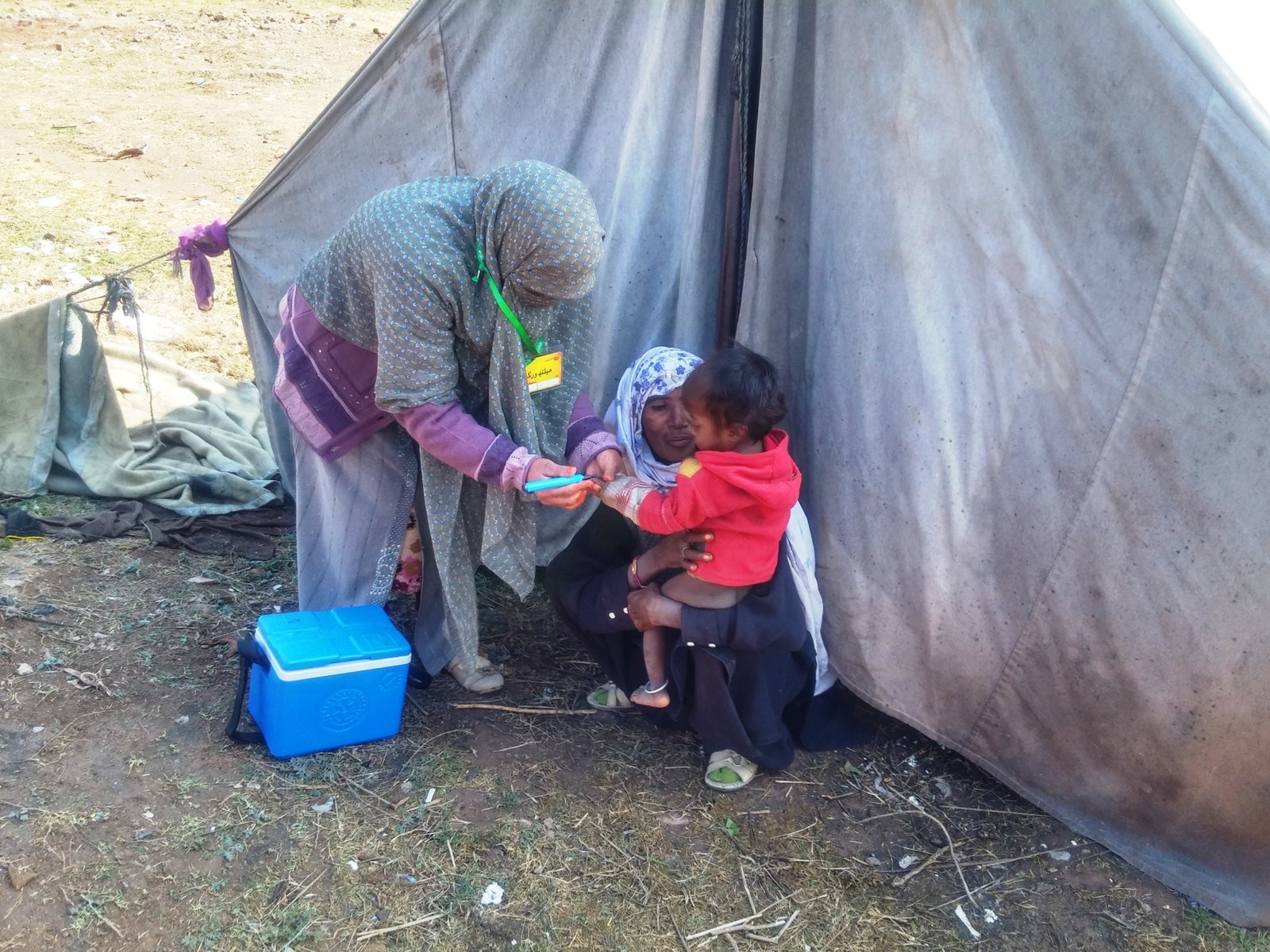
Photo: CDC Global, via Wikimedia Commons
Why This Polio Vaccination Campaign Matters Now
On 1 November, the National Emergency Operations Centre confirmed Pakistan’s eighth polio case of 2026: a 13-month-old girl from Union Council Janbaz-B in Bara tehsil, Khyber district. It is the second case from Khyber district this year and the sixth from Khyber Pakhtunkhwa, four of them in the province’s south, while the remaining two cases were reported in Sindh. The programme launched a case investigation and a targeted vaccination response around the detection. Set against the long view, the numbers show how far the effort has come: Pakistan once reported an estimated 20,000 cases a year in the early 1990s, cases fell to 31 in 2025, and sewage surveillance, which recently found the virus in Rawalpindi’s Nullah Lai and in rising samples in Sindh, is precisely what tells teams where to aim rounds like this one, with support from UNICEF.
The Road to a Polio-Free Pakistan by June 2027
The stated goal of the programme is to interrupt transmission and reach a polio-free Pakistan by June 2027, with work already under way on vaccine financing and local manufacturing so the effort stays sustainable towards 2030. The September sub-national round alone covered more than 29.3 million children, and each round since has closed more of the map. Behind the statistics is a research and health system that keeps strengthening, from Aga Khan University researchers in the world’s top 2 percent of scientists to community health innovation such as the clean air startup fund. For parents, the ask of this polio vaccination campaign is simple: when the team knocks, every child under five gets the drops, every time.
Sources
- The News: Polio Tally Reaches Eight as Another Case Surfaces in KP, 2 November 2026
- Daily Great Balochistan: Polio Drive Begins in 97 Districts as Pakistan Reports Eighth Case of 2026
- Featured image: A vaccination team gives polio drops to a baby held by its mother at a roadside stop. Photo: CDC Global, via Wikimedia Commons
- In-body image: A health worker marks a child’s finger after vaccination, beside the vaccine cold box. Photo: CDC Global, via Wikimedia Commons

Umar is an engineer by profession and a passionate writer by passion. He has a deep interest in sharing good news related to Pakistan and has been working hard to promote the positive image of his homeland. Umar has written numerous articles on various topics related to Pakistan, such as technology, sports, culture, and economy.