


Every pilgrim packs twice: once with the suitcase open, and once at 2 a.m. in a Makkah hotel room, looking for the one thing they forgot. This Umrah packing list is built to make the second packing unnecessary. It covers the documents that must travel in your hand, the ihram essentials, and the small, cheap items that experienced pilgrims from Pakistan never leave behind.
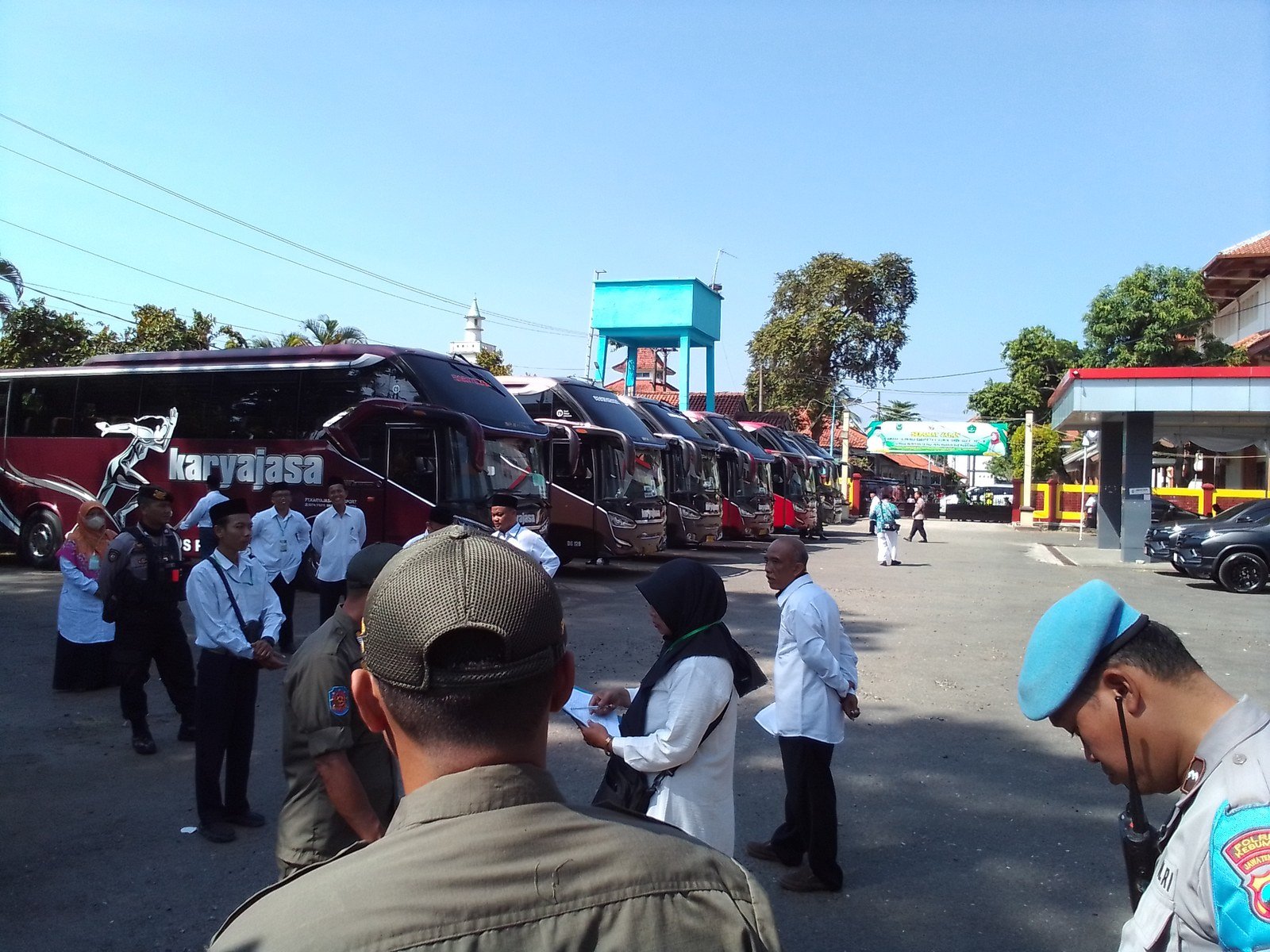
Photo: DARMAS BS 9 via Wikimedia Commons, CC BY-SA 4.0
Documents: the part of the Umrah packing list you cannot improvise
Carry these in your hand luggage, with photographs of each stored on your phone and a set of photocopies in your checked bag. Your passport, valid for at least six months. Your Umrah visa printout. Return flight tickets or e-ticket receipts. Hotel vouchers or booking confirmations for Makkah and Madinah, with the hotel names written in Arabic if your operator provides them. Your CNIC. The Nusuk app installed, registered and logged in on your phone, with your Umrah permit and any Rawdah booking screenshotted in case data fails at the gate. Your travel and medical insurance papers. A card with your group leader’s number, your hotel names and an emergency contact in Pakistan, written on paper; phones die, paper does not. Any vaccination or health documentation your operator tells you is required for your season.
Ihram and clothing
Men: two sets of ihram cloth, because one will need washing; a belt or pouch that keeps money and phone against your body; and sandals that leave the ankles and the top of the foot open, as the ihram rules require. Women: two or three comfortable abayas in breathable fabric, headscarves that stay in place without a forest of pins, and socks. Everyone: light layers for Madinah’s cool evenings in winter, loose cotton clothing for the days between rites, a small backpack or drawstring bag for carrying your sandals inside the mosques (never leave them at the door and hope), and a shoe bag with your name on it. Pack unscented soap, shampoo and wipes for the hours in ihram, when perfumed products are not allowed; your scented toiletries can wait until after the haircut.
Health and comfort
Bring every prescription medicine you take, in its original packaging, in your hand luggage, plus a few days’ extra supply in case of delays, and a simple written list of the medicines and doses. Add the basics: painkillers, plasters for blistered feet (you will walk more than you have in years), oral rehydration salts, lip balm, unscented petroleum jelly against chafing, and a small tube of sunscreen for ziyarat days. A refillable water bottle keeps Zamzam and hotel water flowing. A lightweight prayer mat is useful in crowded courtyards. If you wear glasses, pack a spare pair; if you use a walking aid at home, bring it, because the distances inside the mosque complexes surprise everyone.
Money, phone and the small things
Carry a bank card that works internationally and a modest amount of Saudi riyals in small notes for taxis, tips and barbers; the rest can be drawn or exchanged on arrival. Your phone needs a Saudi SIM or an eSIM data plan for maps, Nusuk and family calls, a power bank that you charge every night, and the right plug adapter (Saudi Arabia uses Type G, the same three-pin plug as Pakistan’s newer sockets, but carry one spare regardless). Add a small sewing kit, safety pins for ihram cloth, a laundry bag, a few metres of cord for drying washing, snacks for the journey day, and a notebook for the duas you promised everyone back home you would make. That last item matters: write the names down before you leave, because in front of the Kaaba your memory will be full of other things.
Packing for children and elderly parents
Travelling with the very young or the very old adds a layer to the list. For children: familiar snacks, a change of clothes in your hand luggage, any medicines they use with the prescription, and something absorbing for the flight and the coach. For elderly parents: their walking aid, a lightweight wheelchair plan (read our elderly parents guide before you book), spare glasses, a week’s extra medicines split between two bags in case one is delayed, and a card in their pocket with the hotel name and your mobile number, in English and Arabic if you can manage it. In both cases, pack a small “first night” bag inside the main suitcase, so arrivals at odd hours do not mean unpacking everything in the hotel lobby.
What to leave behind
Perfume and scented products for the ihram hours, excess luggage you will curse on every staircase, valuables that cannot be replaced, and any document copies you have not backed up digitally. Airlines set baggage allowances by ticket, so check the allowance printed on your own ticket rather than a neighbour’s; pilgrims are charged for excess kilos at the worst possible moment, standing at the check-in desk.
Packed and ready, the remaining homework is money and safety: our Umrah packages from Pakistan guide explains what the trip should cost, our free Umrah lucky draw reality check keeps your documents out of scammers’ hands, and our Nusuk guide shows the app you will use from the airport onwards.
Sources
- Saudi Ministry of Hajj and Umrah: official FAQ
- Nusuk: official Umrah platform
- Photo: Familydestinationsguide.com Images via Wikimedia Commons, CC BY 2.0
- Photo: DARMAS BS 9 via Wikimedia Commons, CC BY-SA 4.0

Umar Farooq is the founder and editor of Good News Pakistan. An engineer by profession and a writer by passion, he started the site in December 2022 to share good news from Pakistan, and has since written and edited more than 200 articles about its people, sports, science, business and world records. He believes the story of Pakistan is bigger than its headlines, and that good news, told honestly, is worth telling every day.