

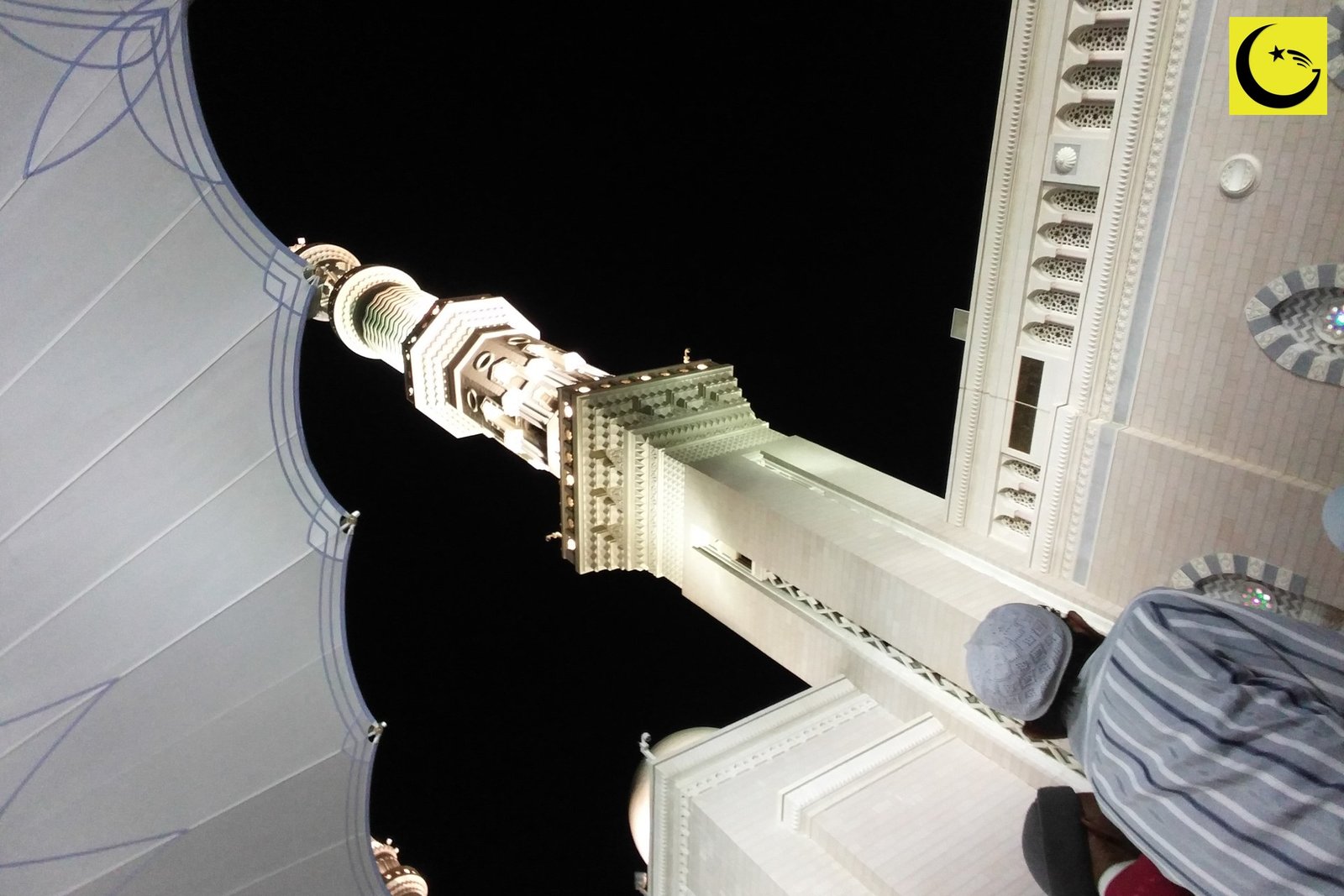
Taking your mother or father to the House of Allah is one of the great privileges of adult life, and one of the easiest trips to get wrong by accident. Umrah for elderly parents succeeds on logistics, not enthusiasm: the right hotel distance, a wheelchair plan made before you fly, and a pace set by the slowest heart in the group. This guide covers each of those, in the order you will need them.
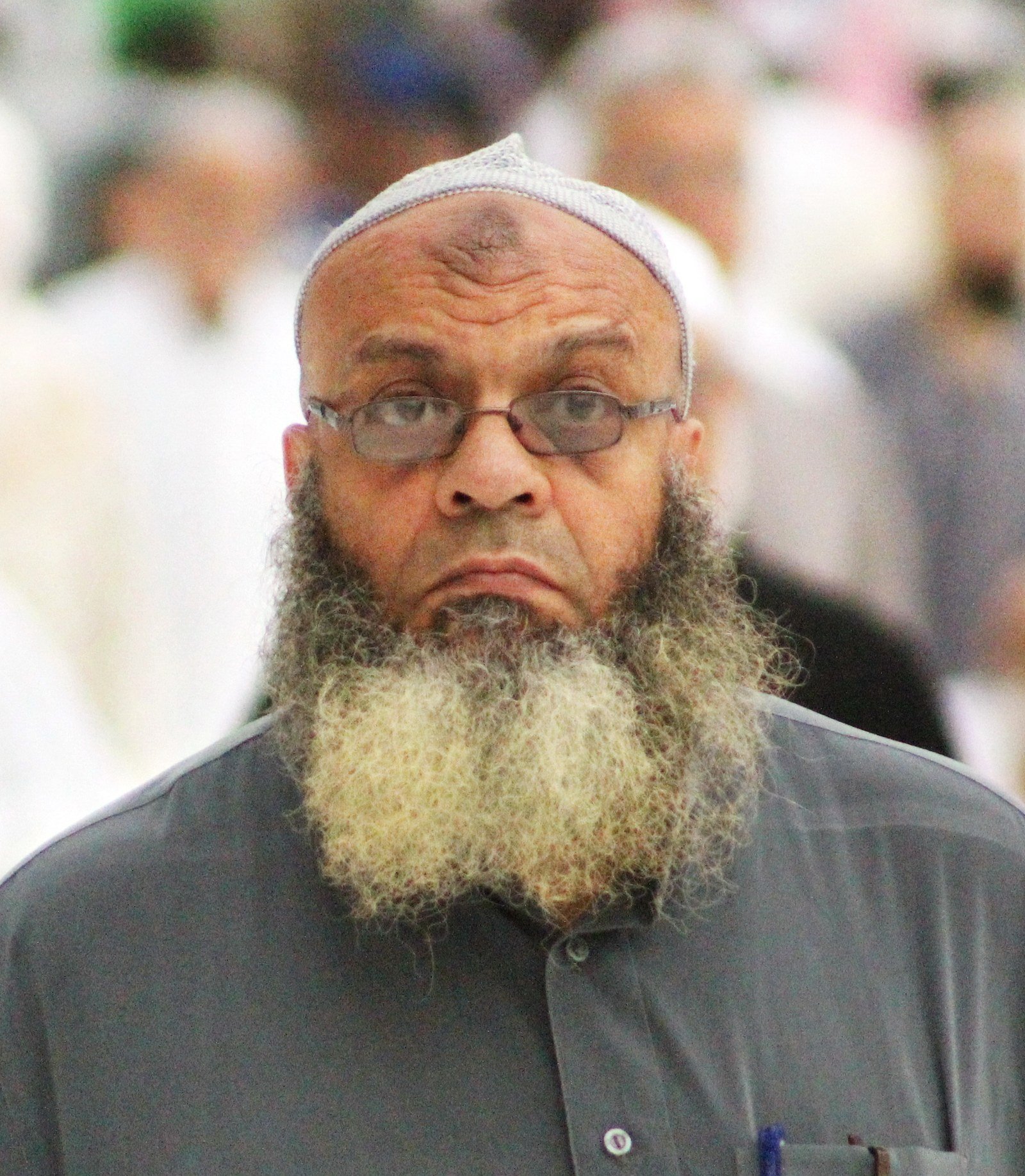
Photo: Mohammed Tawsif Salam via Wikimedia Commons, CC BY-SA 4.0
Rule one of Umrah for elderly parents: buy proximity, not luxury
For a pilgrim of 75, the distance between the hotel door and the mosque is the whole trip. A famous name five streets away will exhaust your parent before the first prayer; a modest hotel 200 metres from the courtyard will carry them through two weeks. In Makkah, prioritise the streets immediately around the Haram or hotels whose own shuttle runs to the mosque door, and in Madinah choose the blocks facing the Prophet’s Mosque courtyards. Ground-floor realities matter too: ask about step-free access, lift sizes at prayer-time rush, and whether the hotel lends wheelchairs. Pay for metres saved before you pay for marble lobbies; proximity is the one upgrade an elderly pilgrim feels five times a day.
Wheelchairs and scooters at the Two Holy Mosques
Both mosques are built for pilgrims who cannot walk the rites. Wheelchairs are available at Masjid al-Haram and Masjid an-Nabawi, including designated distribution points near the entrances, and attendants can be engaged to push for the tawaf and sa’i floors; agree any fee for an attendant’s help clearly and kindly. Masjid al-Haram also offers electric scooters for hire on a dedicated floor for tawaf and sa’i, which many elderly pilgrims find more dignified and less tiring than being pushed. In Madinah, wheelchair routes and lifts serve the Rawdah area, and your parent’s Rawdah appointment is booked on Nusuk like everyone else’s, so book it early and choose the gentlest time slot offered. At both airports in Pakistan and on arrival in Jeddah or Madinah, request the airline’s free wheelchair assistance when you book the ticket, not at the check-in desk; it covers the long airport corridors, which are longer than any walk inside the mosques.
The medical preparation that actually matters
See your parent’s doctor a month before travel and say plainly what the trip involves: long walks, heat, crowds and disrupted sleep. Ask for a fitness view, a review of blood pressure and diabetes control, and a written list of medicines by their generic names, because brands differ in Saudi pharmacies. Carry all medicines in hand luggage in original packaging, with extra days of supply split across two bags. Confirm your travel insurance covers your parent’s age and pre-existing conditions, and read the exclusions before you pay; the cheapest policy that excludes their one real condition is not cheap. Pack their walking aid, spare glasses, and a card for their pocket with the hotel name, your mobile number and their main medical condition, in English and, if possible, Arabic. During the trip, guard their sleep and hydration like they are part of the rites, because for an elderly body they are.
Pacing the rites
Spread the Umrah across the gentlest hours: arrive, rest, eat, sleep, and perform the rites after Fajr or late at night rather than in the first exhausted evening. Tawaf can be done from the upper floors, where the circle is wider, the crowd thinner and the pace calmer, even though the distance is longer; for many elderly pilgrims that trade is worth it. There is no obligation to repeat Umrah every day or to attend every optional ziyarat; one unhurried Umrah, five calm prayers a day and evenings of rest will give your parent more than a heroic schedule that ends in a clinic. Build ziyarat days around one site, not five, and let them skip any day without guilt.
Flights and ground choices
Choose direct flights where the budget allows, at hours that do not destroy a night’s sleep at either end; a one-stop routing with a five-hour midnight layover costs an elderly pilgrim more than the fare saving is worth. Between Jeddah and Makkah, and Makkah and Madinah, a private car door-to-door is kinder than a group coach with multiple hotel drops, and on the Haramain high-speed train, book assistance and seats near the doors. These are the places a modest premium buys real mercy.
Plan the money side with our Umrah packages from Pakistan guide, and if a group tour is on the table, weigh it against a private trip using our group versus private comparison. Keep grandparents’ documents safe from the fraud patterns in our free Umrah lucky draw reality check, and use our Nusuk guide to set up their permits before you fly.
Sources
- Saudi Ministry of Hajj and Umrah: official FAQ
- Nusuk: official Umrah platform
- Photo: Osmanzain via Wikimedia Commons, CC BY-SA 4.0
- Photo: Mohammed Tawsif Salam via Wikimedia Commons, CC BY-SA 4.0

Umar Farooq is the founder and editor of Good News Pakistan. An engineer by profession and a writer by passion, he started the site in December 2022 to share good news from Pakistan, and has since written and edited more than 200 articles about its people, sports, science, business and world records. He believes the story of Pakistan is bigger than its headlines, and that good news, told honestly, is worth telling every day.