

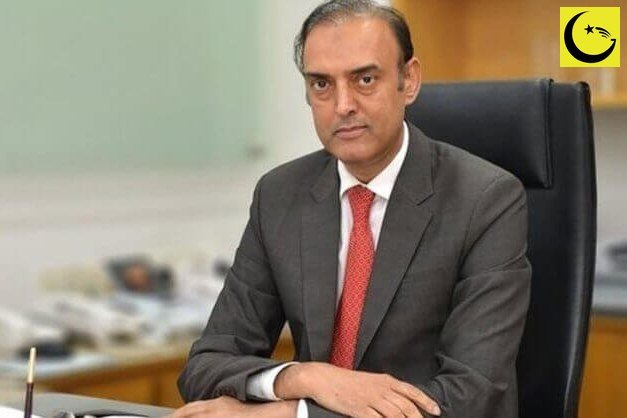
Pakistan’s financial inclusion rate has reached 71 percent, and the gap between men and women has narrowed to 27 percent, State Bank of Pakistan (SBP) Governor Jameel Ahmad announced in Islamabad on Tuesday. The figures for financial inclusion in Pakistan came as the governor opened a four-day learning programme on inclusive green finance, and he used the occasion to argue that the next push must carry climate finance to women, smallholder farmers and small businesses.
- Financial inclusion: 71 percent of adults, up from 64 percent in 2023
- Gender gap: 27 percent, down from 34 percent in 2023
- Event: SBP and Alliance for Financial Inclusion (AFI) joint learning programme, Islamabad
- Participants: 38 representatives of central banks and regulators from 24 countries
- Targets under the National Financial Inclusion Strategy: 75 percent inclusion and a 25 percent gender gap by 2028
What Financial Inclusion in Pakistan Looks Like Now
The rise continues a decade of steady gains. When the State Bank launched its first National Financial Inclusion Strategy in 2015, only 16 percent of adults had a bank account. By 2023 the share had climbed to 64 percent, with 31 million adult women holding at least one account, and the latest figure of 71 percent puts the 2028 target of 75 percent within reach. The gender gap, once 47 percent in 2018, has fallen through 34 percent in 2023 to 27 percent today.
Ahmad said climate change and financial exclusion were closely linked, because the communities most exposed to climate risks often had the least access to insurance, savings and formal financial services. He cited the 2022 floods, which caused nearly $15 billion in physical damage and a further $15 billion in economic losses, affected more than 30 million people and damaged 2.2 million homes, as the clearest warning of what exclusion costs when disaster strikes.

Photo: DNA, via Customs Today
Climate Finance Is the Next Frontier
“Climate finance must do more than support green investments. It must also help communities anticipate risks, build resilience and adapt to a changing climate,” the governor said. Pakistan is sharing its Green Taxonomy and climate risk framework with regulators across the AFI network. The State Bank’s own toolkit now includes the Green Banking Guidelines of 2017, the Environmental and Social Risk Management Framework of 2022, the Pakistan Green Taxonomy, and Climate Stress Testing Guidelines issued in December 2025 to help banks measure their exposure to climate shocks.
The four-day programme, organised by the SBP with the Alliance for Financial Inclusion and held in Pakistan for the first time, has brought 38 representatives of central banks and financial regulators from 24 countries across four continents to Islamabad. AFI’s Director of Strategy Aban Haq and World Bank Operations Manager Lasse Melgaard also addressed the opening session, underlining the value of countries learning from each other’s policies.
Women at the Centre of the Next Phase
On women’s access to finance, Ahmad highlighted the Pakistan Women Inclusive Finance Programme, supported by the Asian Development Bank, and noted that Pakistan joined the Women Entrepreneurs Finance Code in 2025, with the SBP as the anchor institution for the financial industry. Pakistan’s work under AFI’s four pillars, Promotion, Provision, Protection and Prevention, includes classifying green economic activities, directing financing towards underserved groups, and strengthening women’s financial resilience.
The inclusion story is also being written by private and development finance players. Karandaaz Pakistan recently secured Green Climate Fund accreditation to channel global climate finance into the country, while Khushhali Microfinance Bank’s award-winning turnaround showed how lenders serving small borrowers can grow stronger. The governor’s own institution expects continued momentum, with the SBP forecasting foreign exchange reserves of $25 billion by June 2027.
“The success of any policy framework is ultimately measured by its implementation and its impact on people’s lives,” Ahmad said. For financial inclusion in Pakistan, the numbers now say that impact is spreading: more accounts, more women inside the formal system, and a clear target for the remaining gap. The challenge for the next two years is to make sure the new accounts are active, useful and resilient when the next climate shock arrives.
Sources
- Islamabad Post, Pakistan’s financial inclusion reaches 71%, gender gap narrows to 27%: SBP governor (DNA)
- Customs Today, Pakistan’s financial inclusion rate hits 71pc, gender gap narrows to 27pc
- NextWallet, Pakistan Financial Inclusion Rises To 71 Percent
- Photo: Customs Today
- Photo: DNA, via Customs Today

Umar Farooq is the founder and editor of Good News Pakistan. An engineer by profession and a writer by passion, he started the site in December 2022 to share good news from Pakistan, and has since written and edited more than 200 articles about its people, sports, science, business and world records. He believes the story of Pakistan is bigger than its headlines, and that good news, told honestly, is worth telling every day.