

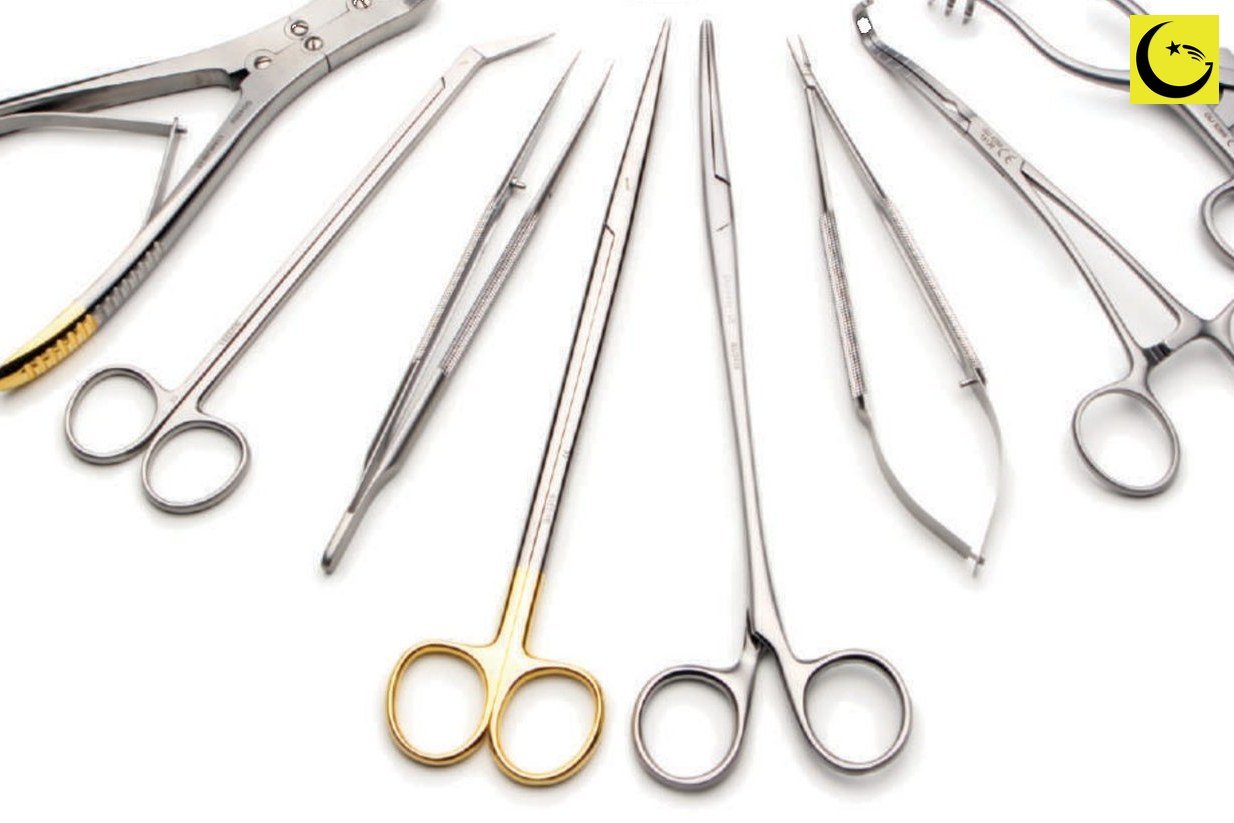
Sialkot surgical instruments are at work in operating theatres on every continent. The Trade Development Authority of Pakistan (TDAP) describes Sialkot as the largest producer of surgical, dental and veterinary instruments in the world: the city makes 99 percent of Pakistan’s production, and 95 percent of what it makes is exported. Pakistan’s Foreign Ministry puts the global claim this way: Sialkot manufactures nearly a quarter of the world’s hand-held surgical instruments. By any of the official wordings, one Punjabi city has become the workshop of the world’s hospitals.
- TDAP: Sialkot is the largest producer of surgical, dental and veterinary instruments in the world
- Share of Pakistan’s production made in Sialkot: 99 percent
- Share of production exported: more than 95 percent
- Foreign Ministry wording: Sialkot manufactures nearly a quarter of the world’s hand-held surgical instruments
- Range: more than 10,000 different instrument types are manufactured in the city
- Scale: around 3,000 companies, over 170 million pieces a year (SDPI figures)
- Top buyers: the United States, Germany, the United Kingdom, France, Italy, the UAE, Japan, Brazil, Mexico and Russia
- Exports: approximately $449 million in 2024, with a long-term target of $2 billion by 2039
Sialkot Surgical Instruments, in Official Words
Anyone researching this industry meets a thicket of percentages: about 20 percent of the world’s surgical instruments, 25 percent, around 70 percent, even 75 to 80 percent of manual instruments, depending on who is counting and what they count. The figures conflict because the categories differ (all instruments, hand instruments, disposable versus reusable), so this article sticks to the two official formulations. TDAP’s claim is about production leadership across surgical, dental and veterinary instruments taken together. The Foreign Ministry’s is narrower and more precise: nearly a quarter of the world’s hand-held surgical instruments, the forceps, scissors, clamps and retractors that pass through surgeons’ hands every day. Both wordings can be true at once, and both trace back to the same cluster of workshops in and around Sialkot.
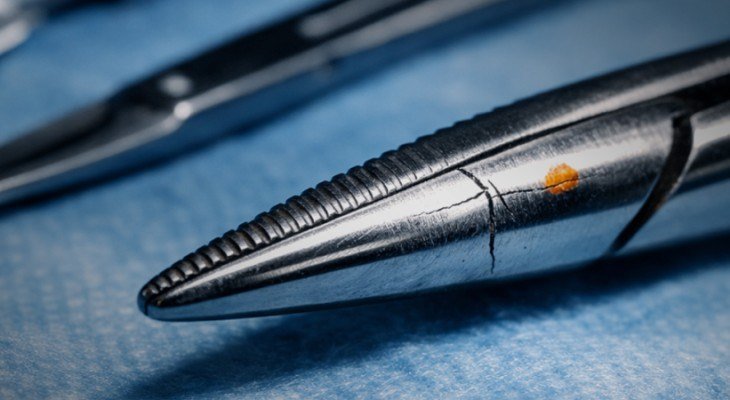
Photo: INP
How the Cluster Works
Sialkot’s industry is not a few giant factories but a dense ecology of firms: around 3,000 companies by SDPI’s count, of which only about 30 are large and some 150 medium sized, with the rest small workshops employing from a handful to a few hundred people. Together they produce more than 10,000 different instrument patterns and, on average, over 170 million pieces a year, split roughly 60 percent disposable and 40 percent reusable instruments. Production runs through a chain of specialised stages, forging, CNC machining, grinding, heat treatment, polishing, electro-polishing, passivation, quality control and documentation, and a single instrument may pass through several workshops before it is finished. The raw material tells its own story: a large share of the stainless steel is imported, historically around 40 percent of it from Germany, the very country whose instrument makers in Tuttlingen are Sialkot’s oldest rivals and biggest customers.
From Mission Hospital Repairs to a World Industry
The origin story is unusually well documented. At the end of the 19th century, the American Mission Hospital in Sialkot needed its surgical instruments repaired, and local blacksmiths did the work so well that word spread. Repair became imitation, imitation became manufacture, and by the 1930s Sialkot-made instruments were being exported. The British government set up the Metal Industries Development Centre in 1941 to give manufacturers common facilities and formalise the craft, and at independence in 1947 Sialkot already had about 17 established instrument makers. Three generations later, many of today’s exporting firms are the descendants of those workshops, and the skills, grinding, filing, hand finishing, are still passed from master craftsmen to apprentices in the same neighbourhoods. It is a similar pattern of inherited craft excellence to the one behind Pakistan’s mountaineering porters of the Karakoram: a local skill, refined over a century, that the rest of the world now depends on.
The Hand Finishing That Machines Cannot Copy
Walk into a Sialkot workshop and the catalogue on the bench still tells the industry’s history: pattern numbers inherited from the German instrument trade, each number a forceps, scissors or retractor shape refined over decades. Production starts with forging, where steel blanks are shaped into rough form, then moves through milling, filing, grinding and heat treatment before the finishing stages that buyers pay for: polishing to a satin or mirror finish, electro-polishing, passivation against corrosion, and inspection piece by piece. It is slow, skilled work, and the cluster’s density is what makes it economic: a forger, a grinder and a polisher may sit in three different workshops on the same street, each doing the one stage they do best.
Ask buyers why they source from Sialkot and the answer is the hand finish. A surgical scissor or needle holder lives or dies by tolerances felt in the fingers: the smooth close of a hinge, the bite of a jaw, the balance in the hand. Sialkot’s grinders and polishers, many of whom have done one operation for decades, deliver that finish at a price mechanised plants struggle to match. The trade-off is the industry’s open secret, documented by SDPI’s research for Dawn: most Sialkot output is sold unbranded to foreign firms, which stamp their own logos on the instruments and capture most of the final value. Local makers receive only a small share of the global trade’s worth, which is why the same study calls it a shadow sector: world leading in volume, under rewarded in value.
Where the Instruments Go
The export map is the map of world medicine. The top ten buyers are the United States, Germany, the United Kingdom, France, Italy, the UAE, Japan, Brazil, Mexico and Russia, and direct exports to China and India have been rising. Exports were approximately $449 million in 2024, according to the official document reported by INP-WealthPk, which also records the sector’s long-term ambition: $2 billion by 2039, reachable only by shifting from basic instruments towards higher value medical, dental and ophthalmic devices. That shift is now policy. The government plans a Rs 2.8 billion workforce development initiative for the surgical sector, upgrading technical training centres in Sialkot and allied cluster areas, with skills analysis across the value chain, modern equipment, short certification courses and trainer development, executed through SMEDA with the national and provincial technical training authorities and the industry’s own association.
The Push Up the Value Chain
The challenges are equally concrete: precision manufacturing, quality assurance and compliance documentation are the gaps named in the official review, and rival producers such as India and Vietnam have been growing faster in the wider medical instruments market. Sialkot’s answer is the one it has used for a century, deepen the skill base, now with CNC machining and electro-polishing alongside the hand crafts. The industry sits in good company among Pakistan’s world ranking stories, from the Indus Basin’s mega irrigation system to Emma Alam’s world memory titles: proof that the country’s clusters and individuals can hold world positions when craft, scale and persistence combine. Nearly a quarter of the world’s hand-held surgical instruments already carry Sialkot’s invisible signature. The next quarter century of the story is about making the signature visible, and paid for.
Sources
- SDPI: Pakistan’s Shadow Surgical Instruments Sector (research reported by Dawn)
- INP-WealthPk: Govt Plans Workforce Development to Upgrade Sialkot Surgical Instruments Sector
- Acheron Instruments: Pakistan’s Surgical Instruments, Recent Evolution and Leading Manufacturers
- Zuol Instruments, Sialkot: About the Manufacturer
- Featured image: Surgical scissors, forceps and retractors made in Sialkot, fanned out by one of the city’s manufacturers. Photo: Zuol Instruments
- In-body image: A needle holder, one of thousands of instrument patterns finished in Sialkot. Photo: INP

Umar Farooq is the founder and editor of Good News Pakistan. An engineer by profession and a writer by passion, he started the site in December 2022 to share good news from Pakistan, and has since written and edited more than 200 articles about its people, sports, science, business and world records. He believes the story of Pakistan is bigger than its headlines, and that good news, told honestly, is worth telling every day.