

Few scientists anywhere can match the record of Zulfiqar Bhutta. The Aga Khan University professor has spent four decades working on the health of mothers and children, and the world’s ranking systems keep arriving at the same conclusion: he belongs in their top tier. In the first edition of Research.com’s ranking of the world’s best medicine scientists, published in 2022, he was placed in the top 100, the only scientist from Pakistan, and from any low or middle income country, to get there.
That combination matters. Citation rankings are dominated by wealthy universities in North America and Europe, and researchers who work on the health problems of poorer countries rarely break into the very top. Bhutta did it from Karachi, working on the problems on his own doorstep: newborn survival, childhood nutrition and maternal health.
The 2022 Record: Top 100 in Medicine in Research.com’s First Edition
The Aga Khan University reported the milestone in May 2022. For that first edition, Research.com examined 166,880 scientists worldwide from leading research institutions and built detailed profiles for 65,743 researchers in medicine, ranking them on measures including the h-index, publications and citations. Bhutta’s place in the top 100 made him, in the university’s words, the only scientist from Pakistan and from low and middle income countries in that group.
Rankings change between editions, and figures should always be quoted with their system and their year attached, a rule this article follows throughout. What does not change is the body of work behind the number. Bhutta is a Distinguished University Professor at the Aga Khan University, where he has been on the faculty since 1986, and he is the founding director of its Institute for Global Health and Development and its Centre of Excellence in Women and Child Health.
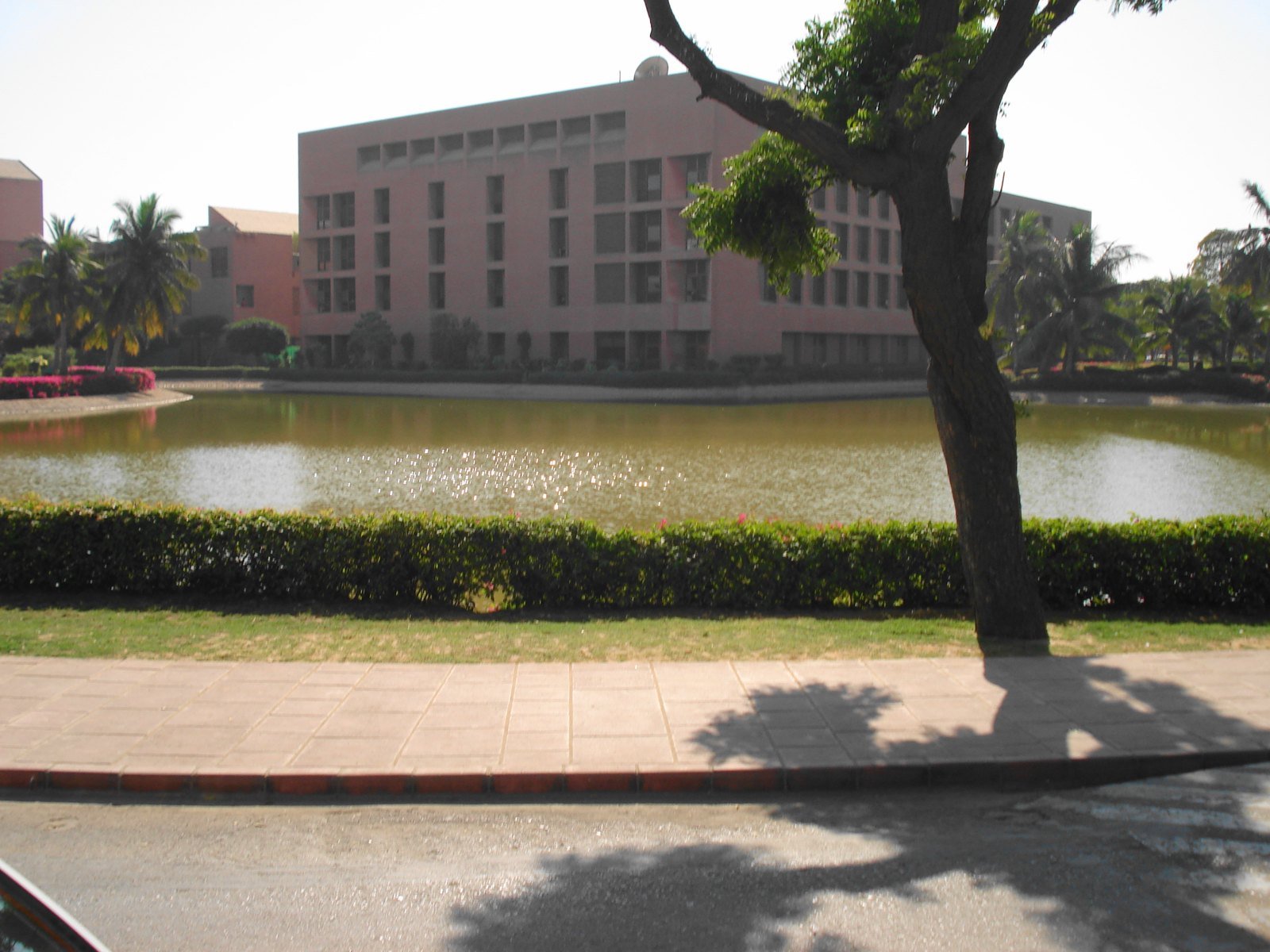
The private wing of the Aga Khan University Hospital in Karachi
Photo: Miansari66, public domain, via Wikimedia Commons
R E A D M O R E
Pakistani Professor the Best CS Researcher
A Separate System, a Separate Year: the 2026 Stanford and Elsevier List
The most recent confirmation comes from a completely different ranking, and it should not be confused with the one above. In the 2026 edition of the Stanford University and Elsevier World’s Top 2% Scientists list, released in October 2026, Zulfiqar Bhutta stands 251st in the world for single-year impact and 421st on the career-long list, according to the Aga Khan University Institute for Global Health and Development’s newsletter for July to September 2026. The list, built from Scopus citation data, named 1,034 Pakistani scientists in 2026. Our coverage of the 41 Aga Khan University researchers named among the world’s top 2 percent sets out how his university colleagues performed as a group.
Recognition at Home and in the Citation Elite
In July 2026, the Higher Education Commission of Pakistan recognised Bhutta, alongside his Aga Khan University colleague Dr Jai K. Das, among the distinguished Pakistani researchers in the global top 2 percent. He was also named in Clarivate’s Highly Cited Researchers 2024 list for clinical medicine, a selection reserved for researchers whose papers rank in the top 1 percent by citations in their field over the preceding decade.
The honours beyond rankings are just as striking. He was the first Pakistani to receive the Canada Gairdner Global Health Award, one of the most prestigious prizes in his field. He is a Fellow of the Royal Society and a member of the United States National Academy of Medicine, two of the most selective distinctions in world science.
R E A D M O R E
Abdus Salam Nobel Prize: How a Boy from Jhang Became Pakistan’s First Nobel Laureate
The Work Behind the Numbers
The citations exist because the research changed practice. Bhutta led landmark series in The Lancet on maternal and child undernutrition, work that reframed how the world understands stunting and what can be done about it. His teams showed, through trials in Pakistan and beyond, how community health workers, better newborn care and targeted nutrition interventions could save large numbers of young lives at costs poor health systems could actually bear. Research on newborn survival, breastfeeding, zinc and diarrhoea treatment, and stillbirth prevention runs through the same career, almost always aimed at the places where the burden is heaviest and the resources are thinnest.
That focus explains the geography of his recognition. Most top cited medical scientists work on the diseases of rich countries. Bhutta built his record on the health of mothers and babies in Karachi’s low income settlements and in rural Pakistan, then carried those lessons into global guidelines used by health agencies worldwide.
He also helped build the institutions that produce such work. At the Aga Khan University he founded both the Centre of Excellence in Women and Child Health and the Institute for Global Health and Development, giving younger Pakistani researchers a platform in global health that barely existed when he began in 1986. His co-leadership of The Lancet’s Every Newborn series helped put the survival of babies in their first month of life onto the global policy agenda, an area that had long been neglected next to child survival after infancy. It is this combination, field trials in poor communities, institution building at home, and agenda setting in the world’s leading medical journals, that keeps his name near the top of every ranking system that counts citations.
Zulfiqar Bhutta’s Career, Split Between Karachi and Toronto
Alongside his Karachi roles, Zulfiqar Bhutta is co-director of the SickKids Centre for Global Child Health in Toronto and holds the Robert Harding Chair in Global Child Health and Policy at the Hospital for Sick Children, one of the world’s leading children’s hospitals. The two bases, one in a low income megacity and one in a rich world research centre, mirror the path his science has always taken, from local evidence to global policy.
For Pakistan, the significance is simple. In ranking after ranking, compiled by different organisations, using different methods, in different years, one of the world’s most cited medical scientists is a Pakistani professor who chose to build most of his career at home. More stories like his are collected in our Pakistan World Rankings and Records pages.
Sources
- Aga Khan University news, May 2022
- Aga Khan University Institute for Global Health and Development newsletter, July to September 2026
- Medical News Pakistan
- The News, May 2022
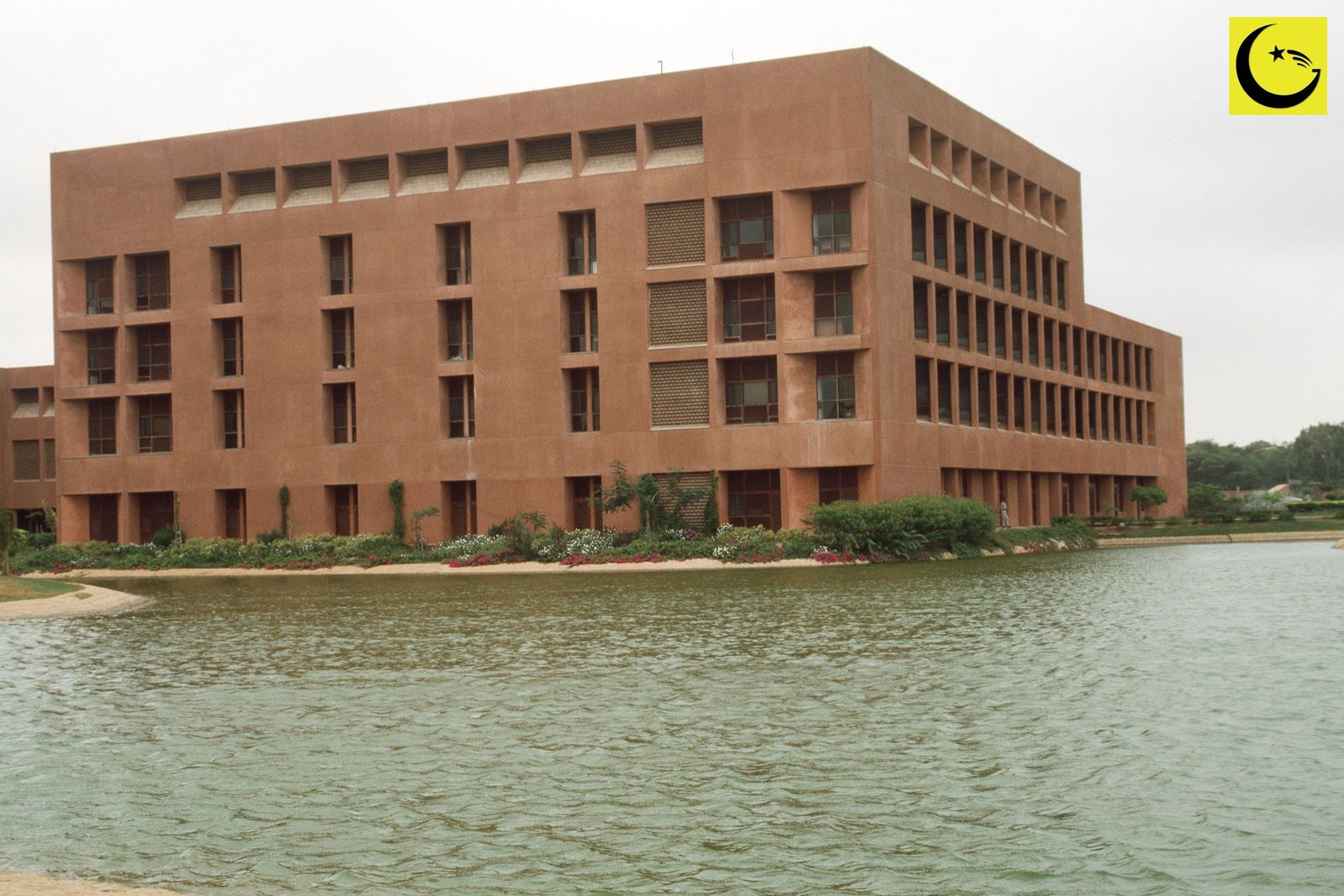
- Featured image: The Aga Khan University Hospital in Karachi, where Professor Zulfiqar Bhutta has built his research career (khadim-un-nabi Rao, CC BY-SA 3.0, via Wikimedia Commons)
- In-body image: The private wing of the Aga Khan University Hospital in Karachi (Miansari66, public domain, via Wikimedia Commons)

Umar Farooq is the founder and editor of Good News Pakistan. An engineer by profession and a writer by passion, he started the site in December 2022 to share good news from Pakistan, and has since written and edited more than 200 articles about its people, sports, science, business and world records. He believes the story of Pakistan is bigger than its headlines, and that good news, told honestly, is worth telling every day.