

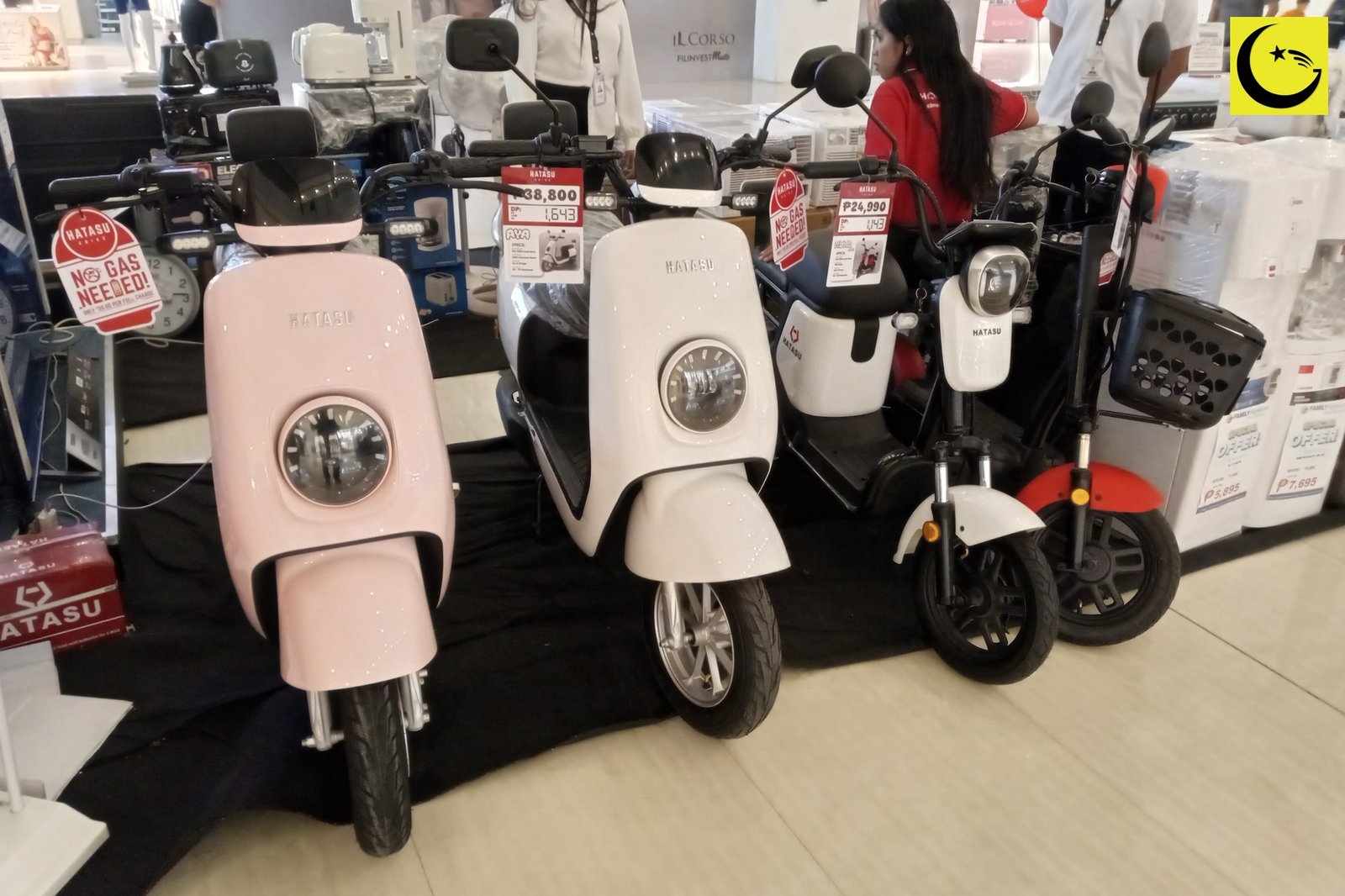
Pakistan electric bikes production has more than tripled in a single year. Local makers built 210,268 electric two and three wheelers in the financial year that ended in June 2026, up from 59,756 a year earlier, the Engineering Development Board (EDB) told the Senate Standing Committee on Industries and Production on 3 November. Four years ago, the same industry built just 7,345.
The figures came in a written submission after Senator Anusha Rehman asked the board about electric vehicle manufacturing. They show an industry that has moved from a curiosity to a serious business in four years. Two and three wheelers are the backbone of personal transport in Pakistan, so a shift in this segment moves the needle on fuel imports and city air far faster than the same shift in cars. The committee, chaired by Senator Saleem Mandviwalla, also heard where the shift is struggling: charging.
Pakistan electric bikes in numbers: a four-year climb
- 2021-22: 7,345 electric two and three wheelers built
- 2022-23: 14,995
- 2023-24: 21,551
- 2024-25: 59,756
- 2025-26: 210,268
Output in 2025-26 was nearly 29 times the level of four years earlier, and more than three and a half times the previous year’s figure. The vehicles counted here are the everyday machines of Pakistani roads: electric scooters and motorcycles used for commuting and family travel, and electric three wheelers used for deliveries, rickshaw work and short trips. The climb also shows how young the industry is: output for the whole of 2023-24 was about what the factories now produce in five weeks.
More than 85 makers, and capacity still ahead of output
More than 85 companies now hold licences to assemble or manufacture electric two and three wheelers in Pakistan, the EDB said, and their combined stated production capacity for electric motorcycles alone exceeds 290,000 units a year. That capacity figure needs care: it is what the factories could build if every line ran at full pace, not what they have built. Actual production, at 210,268 units, is closing on it fast, which says a great deal about how quickly demand has grown. For buyers, more makers mean more choice on price, range and design. The story of Pakistan electric bikes is no longer about whether they can be made here; that question has been answered.
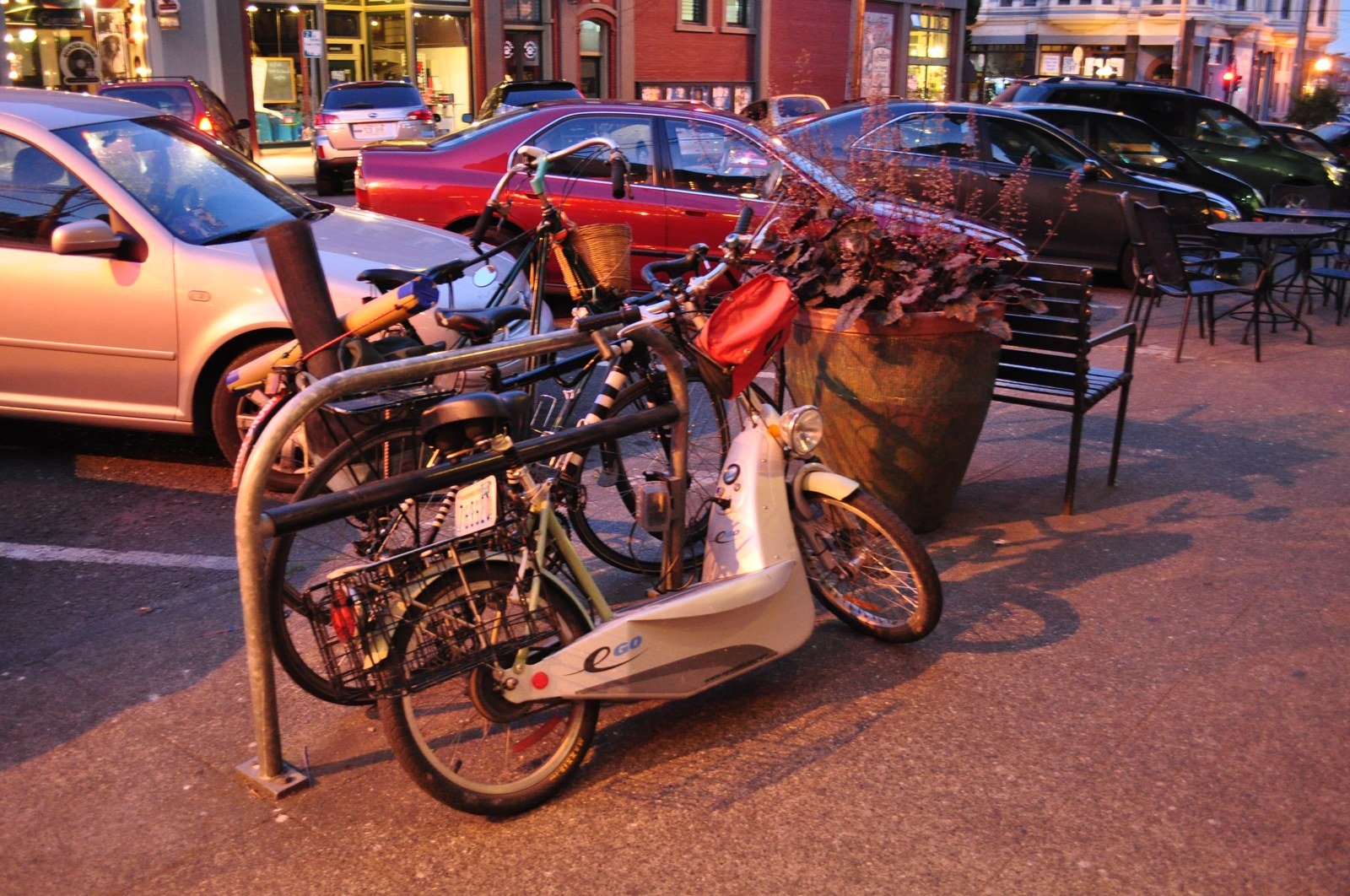
An electric two-wheeler plugged in at a kerbside rack (file photo). Public charging is still the missing piece in Pakistan.
Photo: Joe Mabel, CC BY-SA 3.0, via Wikimedia Commons
The weak point: where do you charge?
Senator Anusha Rehman told the committee that the country had the order of things backwards, encouraging production before the charging network existed to support it. So far, only one public charging station, at Bhera on the M-2 motorway, has been confirmed as operational. The EDB said 40 motorway sites between Peshawar and Karachi have been identified for charging stations and installation work is under way at 18 of them, but for a rider today, charging still mostly means a socket at home or at work. A manufacturer told the committee that even the chargers themselves are held back by the tax system, with locally assembled units facing duties and taxes of up to 52 percent because of how they are classified. Officials pointed to a longer-term aim of at least 3,000 charging stations across the country, with a charging tariff of around Rs 40 per unit under discussion to make public charging worth a private operator’s investment.
R E A D M O R E
PSX Investors Record Falls Again as 25,747 Net New Investors Join in October 2026
Policy is pushing the same way
The state is not leaving the shift to chance. Batteries, motors, converters and chargers pay just 1 percent customs duty until 30 June 2027, a concession designed to keep local assembly cheap. The New Energy Vehicle Policy 2025-30 sets the destination: electric and hybrid models should make up 30 percent of new vehicle sales by 2030, some 2.223 million vehicles. The same transition is visible in public transport, where 179 electric buses from China have arrived at Karachi Port for city fleets. The wider auto policy for 2025-30, however, has still not been finalised: officials told the committee the draft will go to the Finance Ministry and then to the International Monetary Fund for review, a delay the committee criticised.
What happens next depends less on factories than on plugs. Green finance is starting to line up behind the transition, as Karandaaz Pakistan’s Green Climate Fund accreditation shows, and investor appetite for Pakistan’s growth sectors is visible in deals such as the Saudi-Pakistan private equity fund launched this month. If the promised motorway chargers appear over the next year or two, the production curve suggests riders will use them. Pakistan electric bikes have done the hard part, proving they can be built at scale. The charging network now has to prove it can keep up.
Sources
- Arab News Pakistan: As Pakistan electric bike production surges, lawmakers point to hurdles to wider EV shift
- Business Recorder: Country’s industry operating below capacity (Senate committee briefing, 4 November 2026)
- Profit, Pakistan Today: Pakistan’s auto policy awaits IMF review amid criticism over EV charging gaps
- Featured image: New electric scooters on display at a showroom, file photo (Wide Awake!, CC BY 4.0, via Wikimedia Commons)
- In-body image: An electric two-wheeler charging at a kerbside bike rack, file photo (Joe Mabel, CC BY-SA 3.0, via Wikimedia Commons)

Umar Farooq is the founder and editor of Good News Pakistan. An engineer by profession and a writer by passion, he started the site in December 2022 to share good news from Pakistan, and has since written and edited more than 200 articles about its people, sports, science, business and world records. He believes the story of Pakistan is bigger than its headlines, and that good news, told honestly, is worth telling every day.