

The Islamabad cashless city plan took a major step forward on Friday 13 November 2026, when the government announced that Islamabad will become Pakistan’s first cashless city, with cash payments ending at government departments after 30 November and a target for every merchant in the capital to accept digital payments by 31 December 2026. The decision was announced at a meeting on the Cashless Islamabad initiative chaired by Minister of State for Interior Talal Chaudhry, and about 26,000 merchants in the capital are already connected to digital payment systems.
Two Deadlines: 30 November for Departments, 31 December for Merchants
The plan works to two dates. After 30 November 2026, no cash payment will be accepted in any department of the Islamabad Capital Territory administration or the Capital Development Authority, so fees, taxes and charges paid to those departments will have to move through digital channels from 1 December. The second date, 31 December 2026, is the target for the whole city: by then, the government aims to bring all merchants in Islamabad into the cashless system, from street vendors and small retailers to large shopping centres.
- 13 November 2026: the plan is announced at a meeting chaired by Talal Chaudhry
- After 30 November 2026: no cash accepted at ICT administration or CDA departments
- 31 December 2026: target for all Islamabad merchants to be connected to digital payments
- Already connected: about 26,000 merchants in the capital
What the Islamabad cashless city Plan Means for Shoppers and Traders
For residents, the change means paying for government services, shopping and everyday purchases through banking apps, digital wallets and QR codes instead of notes and coins. The State Bank’s Raast instant payment system sits at the centre of the national push, letting people and businesses move money immediately between bank accounts. Digital payments also leave a record, which the government says improves transparency and brings more business activity into the documented economy. The capital already has a growing digital base to build on: technology investment is visible across the city, from projects such as the Daanish IT Park Islamabad Opens, Named After Daanish Schools to a banking sector that keeps adding digital services.
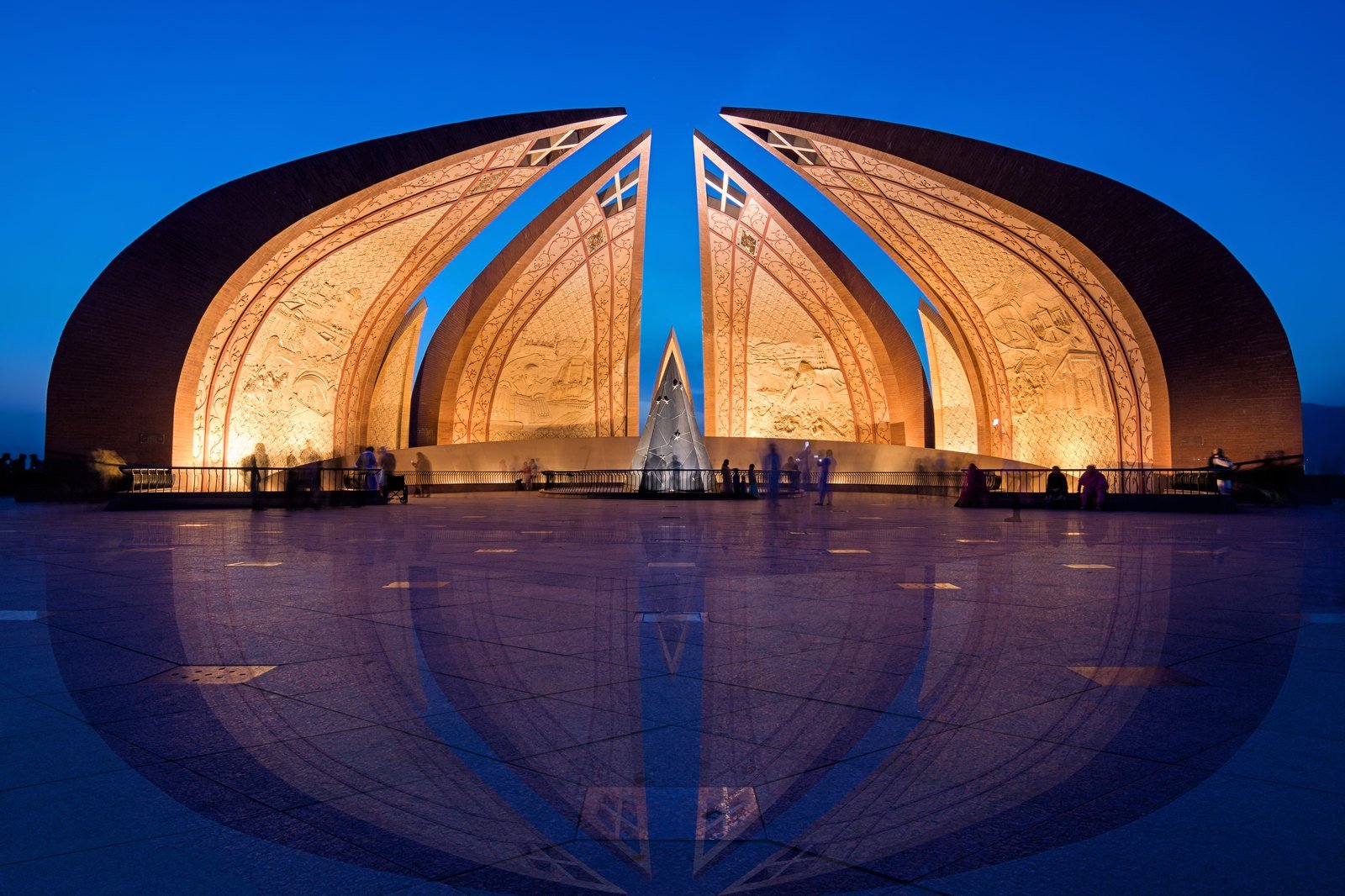
The Pakistan Monument in Islamabad. The capital’s government departments stop accepting cash after 30 November 2026.
Photo: Muhammad Ashar, CC BY-SA 4.0, via Wikimedia Commons
A Target, Not Yet a Ban: The Honest Caveats
Two cautions belong in any fair account of this story. First, no official notification setting out the cashless rules has been published yet, so the legal detail behind the deadlines is still to come. Second, no enforcement mechanism for private merchants has been announced: the government has not said what happens to a trader who is not connected by 31 December. For government departments, which the administration controls directly, the 30 November change is straightforward to apply. For thousands of private shops and stalls, 31 December is best understood as a target the government has set itself, not a ban that has already taken legal effect. How much of the city is genuinely cashless on New Year’s Day will depend on the notification, the banks and the willingness of small traders, and it will be worth checking against the 26,000 merchants already connected.
R E A D M O R E
Pakistan IT Exports Record: $4.6 Billion in FY2025-26 as June Hits $416 Million
Part of a Wider Digital Payments Push
The capital’s plan sits inside a national Cashless Pakistan effort launched in June 2025, under which the number of merchants accepting digital payments across the country has grown quickly. Pakistani banks have been racing to build the rails for that shift, winning recognition such as the honours covered in Mobilink Bank Awards: Three Honours for Digital Banking and Gender Diversity, and launching services like the one described in Bank Alfalah First in Pakistan to Go Live With SWIFT Cross-Border Payments Initiative. Interior Minister Mohsin Naqvi has promised the prime minister that Islamabad will become Pakistan’s first cashless city, and Chaudhry told the meeting that consultation with stakeholders, including traders and banks, would decide whether the ambitious timetable holds. If the capital meets even most of the target, the Islamabad cashless city experiment will become the template other Pakistani cities are measured against.
Sources
- Dawn: Islamabad to go cashless by year-end
- The Express Tribune: Islamabad to become Pakistan’s first cashless city by Dec 31
- Khabarwire: Islamabad cashless city deadline
- Digital Pakistan: Islamabad moves towards becoming Pakistan’s first cashless city
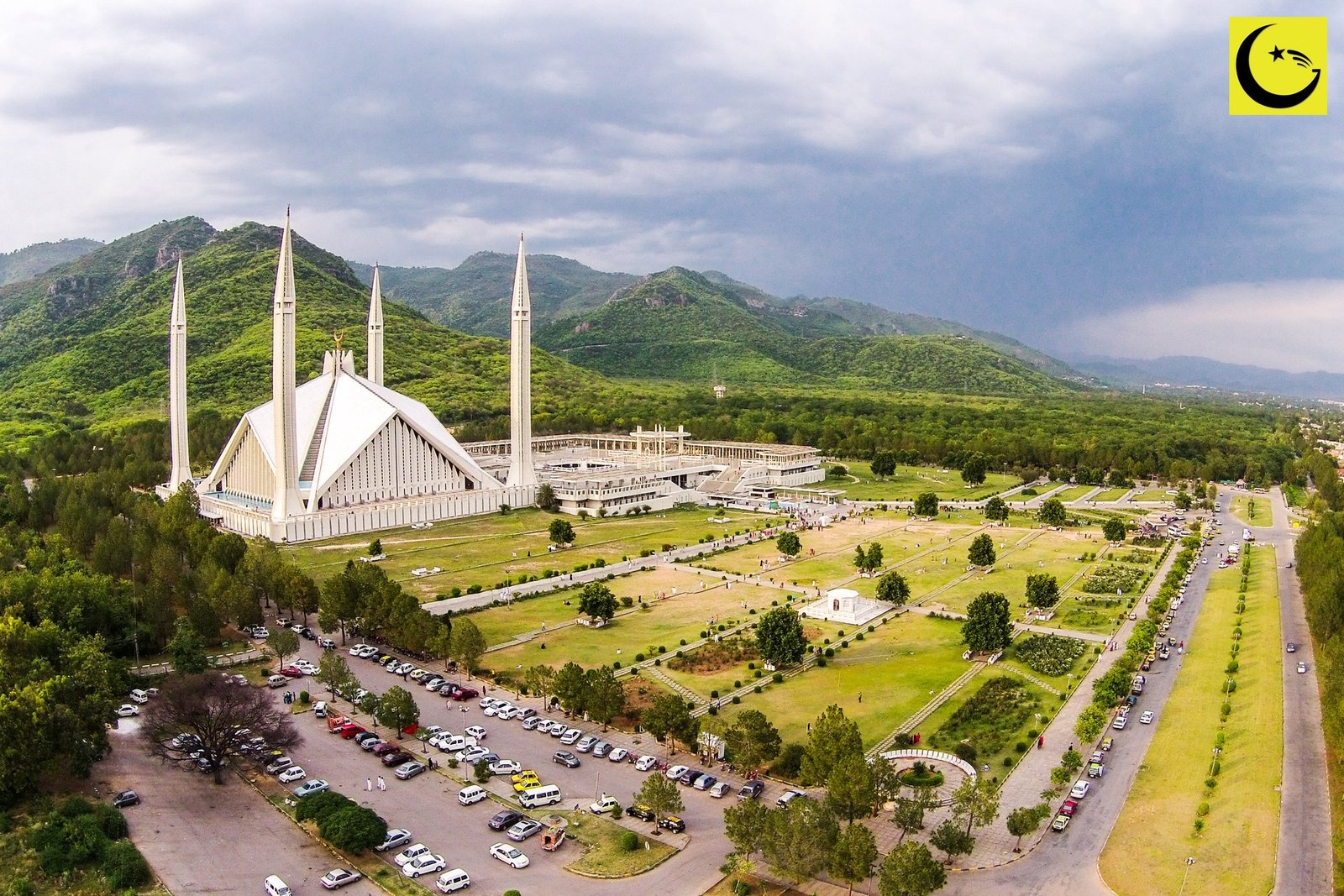
- Photo: Shoaib Zafar, CC BY-SA 4.0, via Wikimedia Commons (featured image, Faisal Mosque and the Margalla Hills)
- Photo: Muhammad Ashar, CC BY-SA 4.0, via Wikimedia Commons (body image, Pakistan Monument)

Umar Farooq is the founder and editor of Good News Pakistan. An engineer by profession and a writer by passion, he started the site in December 2022 to share good news from Pakistan, and has since written and edited more than 200 articles about its people, sports, science, business and world records. He believes the story of Pakistan is bigger than its headlines, and that good news, told honestly, is worth telling every day.