

Pakistan first astronaut has been confirmed for a flight to China’s Tiangong space station aboard the Shenzhou-24 mission, the China Manned Space Agency announced on 7 November 2026. The astronaut will fly as a payload specialist, spend a short stay in orbit and return to Earth aboard the Shenzhou-23 spacecraft, becoming the first foreign visitor to the Chinese station. Two Pakistani pilots, Muhammad Zeeshan Ali and Khurram Daud, are the candidates in training for the seat. Which of them will fly has not been announced, and China has not confirmed a launch date.
A First for Both Countries
The flight is a milestone on both sides. For Pakistan, it will put the country’s first professional astronaut into orbit. For China, it will be the first time a foreign astronaut has visited Tiangong, and its first joint crewed flight with a foreign astronaut. The Pakistani crew member will travel with two Chinese colleagues, work on scientific experiments during a stay expected to last roughly a week, and then come home on the Shenzhou-23 spacecraft that is already docked at the station.
The seat did not appear overnight: SUPARCO, Pakistan’s Space and Upper Atmosphere Research Commission, signed an agreement with China’s manned space authorities in Islamabad on 28 February 2025 to select and train Pakistani astronauts for missions aboard the Chinese station. The story of the agency behind the programme stretches back much further, as SUPARCO History: Pakistan Set Up Its Space Agency in 1961, Only 14 Years After Independence explains.
Two Candidates, One Seat
Muhammad Zeeshan Ali and Khurram Daud came through a three-stage selection process in Pakistan and China, covering initial screening, medical and psychological assessment, and final evaluation. Both are military pilots who completed training at the Astronauts Centre of China. A February 2026 statement on SUPARCO’s behalf confirmed their medical, psychological and aptitude assessments, and both men also studied Chinese at the Confucius Institute in Islamabad before their training in Beijing.
The final assignment works like this: after the training and assessments are complete, one candidate receives the flight seat and the other serves as the backup astronaut. China usually names Shenzhou crews only shortly before a launch, so the wait is normal practice, not a delay.
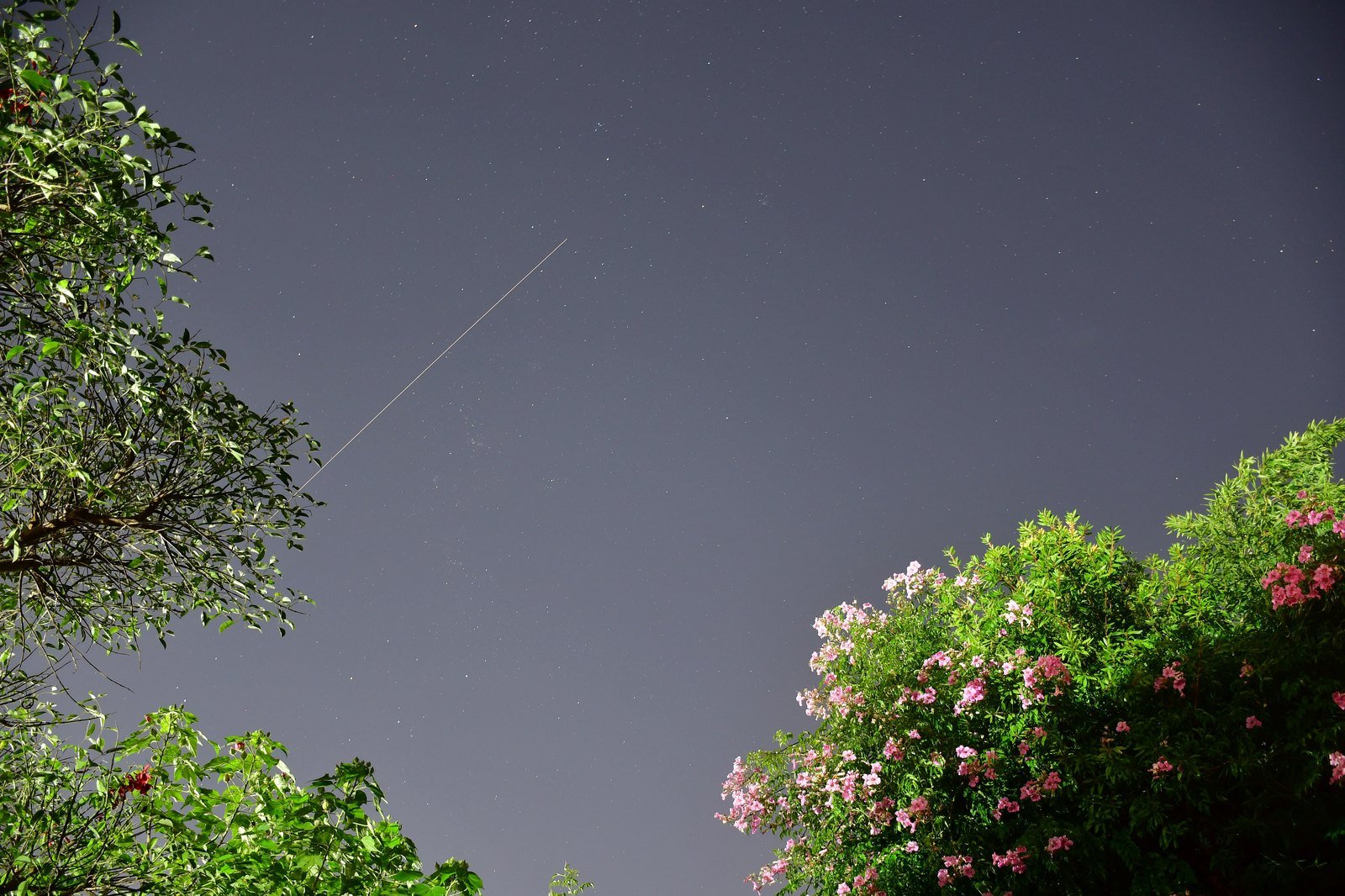
China’s Tiangong space station, photographed from the ground in March 2024. A Pakistani payload specialist will become its first foreign visitor.
Photo: BugWarp, CC BY 4.0, via Wikimedia Commons
Pakistan first astronaut: the work waiting in orbit
A payload specialist does not fly the spacecraft. The job is the science. SUPARCO says the astronaut will be responsible for four research payloads, chosen from more than 300 proposals submitted by Pakistani universities and research institutions. The fields SUPARCO has listed include biological and medical sciences, applied physics, fluid mechanics, space radiation, materials science, microgravity studies and astronomy. They cover areas such as food security, climate resilience, life sciences and materials research, so the results come back to laboratories in Pakistan long after the flight is over.
The mission also sits inside a wider run of Pakistani space activity. In January 2025 the country launched its first home made Earth observation satellite, covered in PRSC-EO1: Pakistan’s First Home Made Earth Observation Satellite, and Pakistani researchers keep appearing in international space forums, including the team in IST-Led Pakistan Team Competes at International Space Games 2026 in Moscow.
R E A D M O R E
Islamabad’s First Robotic Gallbladder Removal Performed Through Telesurgery
From the Agreement to the Launch Pad
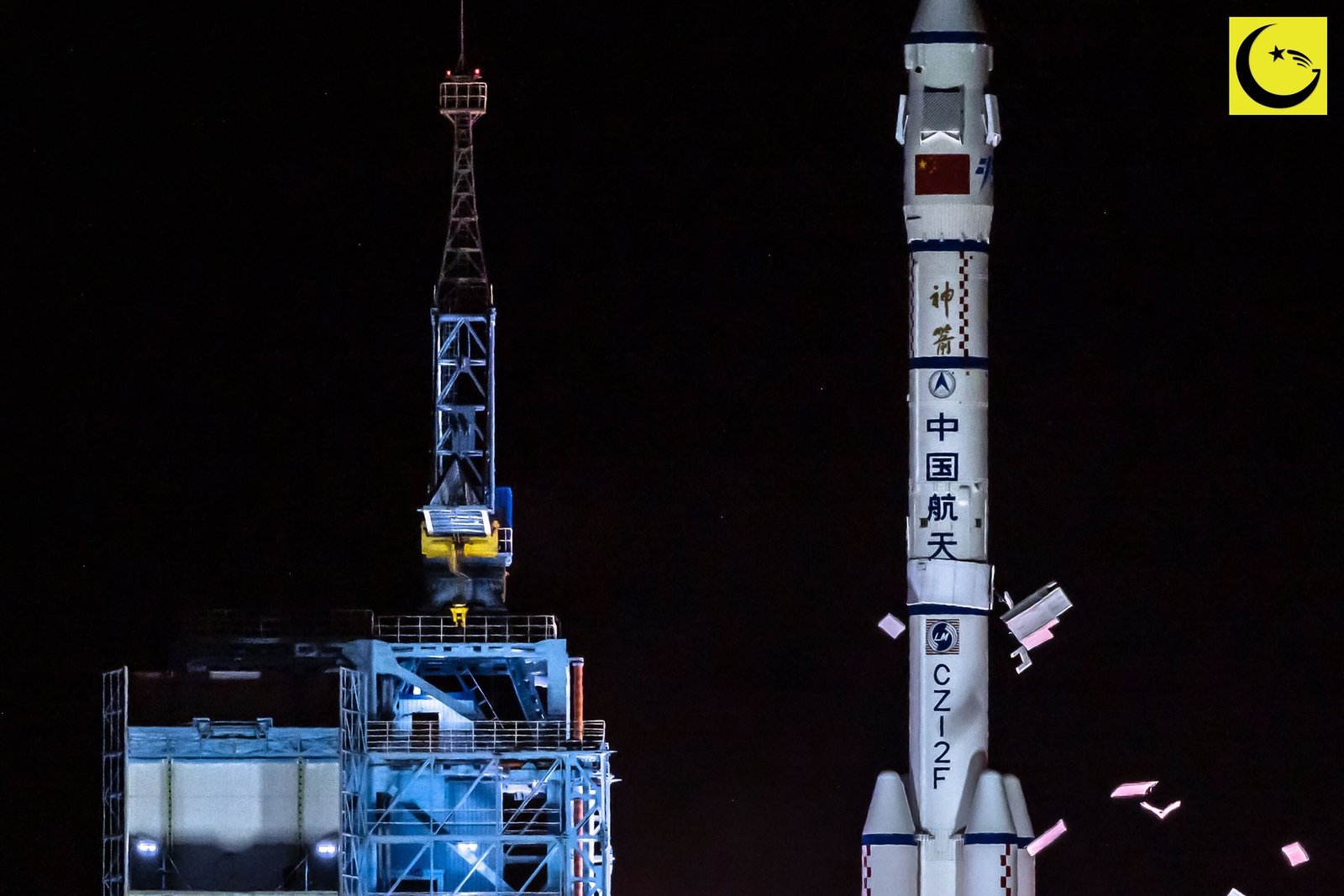
Shenzhou-24 is expected to launch from the Jiuquan Satellite Launch Center in the Gobi Desert on a Long March 2F rocket, the vehicle used for all of China’s crewed Shenzhou flights. The incoming crew arrives during the handover period, when the station briefly hosts two crews at once, and the Pakistani visitor then returns on Shenzhou-23 with the departing crew, which is why the stay is measured in days rather than months.
What Has Not Been Confirmed Yet
Two facts are still missing, and readers should hold them clearly. First, the astronaut who will fly has not been named: it will be either Muhammad Zeeshan Ali or Khurram Daud, and no official source has said which one. Second, no launch date has been confirmed by the China Manned Space Agency. Planning Minister Ahsan Iqbal said in October that the mission would fly on 25 November, but that date is the minister’s statement, not a Chinese launch announcement, and the agency speaks only of a flight expected before the end of the year. Until the agency names a day and a crew, the Pakistan first astronaut story rests at this point: the seat is real, the mission is assigned, and the two men who might fill it are trained and waiting.
Sources
- Asia Daily: China names the mission for a historic Pakistani flight (China Manned Space Agency announcement, 7 November 2026)
- Asia Daily: Pakistani Astronaut to Make First Foreign Visit to Tiangong
- Universe Today: The First Foreign Astronaut Will Visit China’s Tiangong Space Station
- Narr: Pakistan First Astronaut to Fly to China Space Station on Shenzhou-24, What We Know
- Featured image: A Shenzhou spacecraft lifts off from Jiuquan on a Long March rocket (ForrestXYC, CC BY-SA 4.0, via Wikimedia Commons)
- In-body image: The Tiangong space station photographed from the ground in March 2024 (BugWarp, CC BY 4.0, via Wikimedia Commons)

Umar Farooq is the founder and editor of Good News Pakistan. An engineer by profession and a writer by passion, he started the site in December 2022 to share good news from Pakistan, and has since written and edited more than 200 articles about its people, sports, science, business and world records. He believes the story of Pakistan is bigger than its headlines, and that good news, told honestly, is worth telling every day.