

Pakistan has taken the ECO chairmanship for 2026-27, as the 30th meeting of the Economic Cooperation Organization (ECO) Council of Ministers concluded in Islamabad on 16 November 2026 with the adoption of ECO Vision 2035, a ten year framework for regional trade, connectivity and shared growth. Deputy Prime Minister and Foreign Minister Ishaq Dar chaired the two day meeting, held on 15 and 16 November under the theme “Reviving Regionalism for a Resilient ECO”, and ministers also adopted the Islamabad Declaration, recorded in the meeting communiqué, setting out the bloc’s shared commitments for the decade ahead.
A New Ten Year Roadmap: ECO Vision 2035
The Strategic Goals of Economic Cooperation 2035, known as ECO Vision 2035, succeed Vision 2025, which was adopted at the 2017 ECO Summit in Islamabad. Dar described the adoption as an important milestone in charting the future course of the organisation over the next decade, providing a shared framework to advance regional priorities alongside the Islamabad Communiqué. Closing the meeting, he urged member states to turn words into results: “Our task now is to translate our collective commitments into concrete action. This will require clear priorities, realistic timelines, and effective follow-up mechanisms.” He also thanked delegations for their constructive engagement and looked ahead to the 31st Council of Ministers meeting in 2027, where members will take stock of tangible progress.
Five Priorities for the ECO Chairmanship
Outlining Pakistan’s programme for its year in the chair, Dar identified five priorities that will guide the work of the organisation:
- Expanding trade and investment among member states, with wider market access, stronger regional value chains and greater private sector participation, particularly by small and medium sized enterprises
- Strengthening regional connectivity, improving transport and transit links between Central Asia, South Asia and Pakistani ports on the Arabian Sea, with harmonised customs procedures and efficient border management
- Advancing the ECO Trade Agreement, building on the negotiating strategy and roadmap approved by ECO trade ministers in November 2025 to develop a more effective, inclusive and digitally enabled regional trade framework
- Building regional resilience, through closer cooperation in disaster preparedness, early warning systems, sustainable water management and climate resilient infrastructure
- Promoting human development, with greater opportunities in education, research, innovation and vocational training, plus support for entrepreneurship and professional exchanges
Dar noted that the five priorities are interconnected, and that their success will depend on collective efforts by all member states. Pakistan, he said, stands ready to work with ECO members and the secretariat on trade facilitation, transit connectivity and disaster preparedness. The chairmanship adds to a run of Pakistani leadership roles in economic forums, following the story covered in Pakistan Takes Over G-24 Chairmanship With a Development-Led Agenda.
READ MORE
Pakistan Services Exports Rise 22.6 Percent to $2.72 Billion in First Quarter of FY27
Connectivity at the Heart of the Agenda
Regional connectivity ran through the Islamabad discussions. Dar said the region’s natural resources, energy reserves, agricultural potential and strategic location offer considerable opportunities, but realising that potential requires functioning transport corridors, efficient border procedures and predictable transit arrangements. Pakistan will also push for progress on the ECO Trade Agreement (ECOTA) and the Transit Transport Framework Agreement (TTFA), and officials highlighted Pakistan’s role as a regional connectivity hub, including the proposed Uzbekistan-Afghanistan-Pakistan (UAP) railway project and expanding trade links with Central Asian states, building on recent bilateral trade arrangements with Uzbekistan, Tajikistan, Kyrgyzstan, Azerbaijan and Kazakhstan.
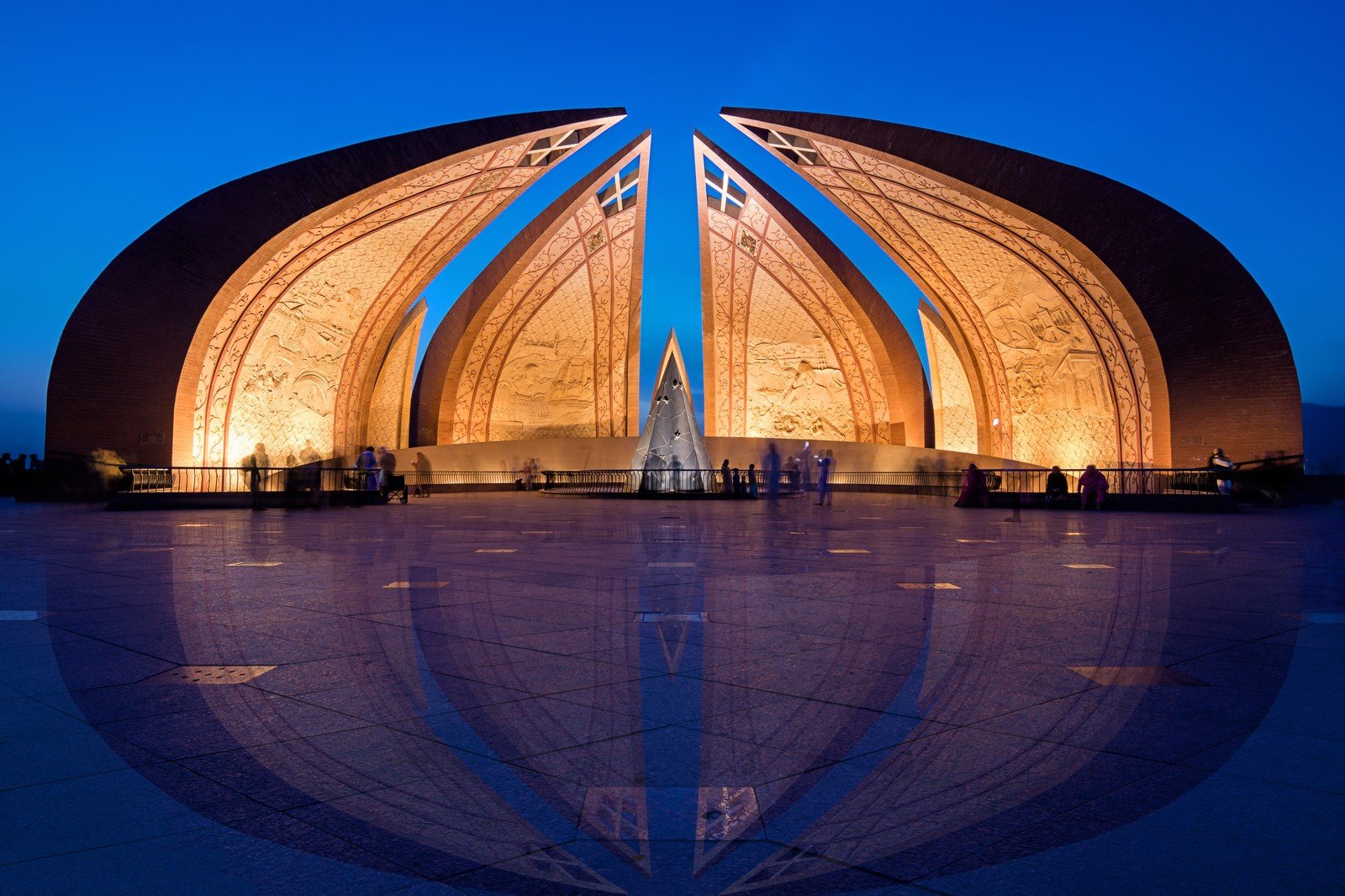
The Pakistan Monument in Islamabad. The capital hosted foreign ministers and senior officials from across the ten ECO member states for the 30th Council of Ministers meeting.
Photo: Muhammad Ashar, CC BY-SA 4.0, via Wikimedia Commons
Ten Member States, One Shared Market Vision
The Economic Cooperation Organization brings together ten member states: Pakistan, Iran, Türkiye, Afghanistan, Azerbaijan, Kazakhstan, Kyrgyzstan, Tajikistan, Turkmenistan and Uzbekistan. Pakistan is a founding member of ECO, has hosted several major ECO summits and ministerial meetings, and hosts a number of ECO institutions. The organisation’s Secretary General, Dr Asad Majeed Khan, is Pakistani and serves in the post until 2027, giving Pakistan a central role in both the ECO chairmanship and the secretariat during the first year of Vision 2035. Senior officials prepared the ground at a meeting on 15 November chaired by Foreign Secretary Ambassador Asim Iftikhar Ahmad, which finalised the agenda and the draft communiqué for the ministers.
What Happens Next
The work of the ECO chairmanship now moves from declarations to delivery. Pakistan will work with member states and ECO institutions through 2026-27 on the trade, transit and resilience initiatives agreed in Islamabad, and Dar wished Iran success in hosting the upcoming 18th ECO Summit on 3 and 4 December. For Pakistan, the opportunity is practical: smoother transit routes to Central Asia, a modernised regional trade agreement and stronger value chains would translate directly into new markets for Pakistani exporters and new routes for regional goods through Pakistani ports. The Islamabad meeting has set the framework; the year ahead will show how much of it becomes concrete action.
Sources
- Dawn: At ECO moot, Dar calls for translating collective commitments into concrete action
- APP via Tez Khabar: Islamabad hosts high stakes ECO meeting focused on trade, transit, growth
- GSRRA: At ECO moot, Dar calls for translating collective commitments into concrete action
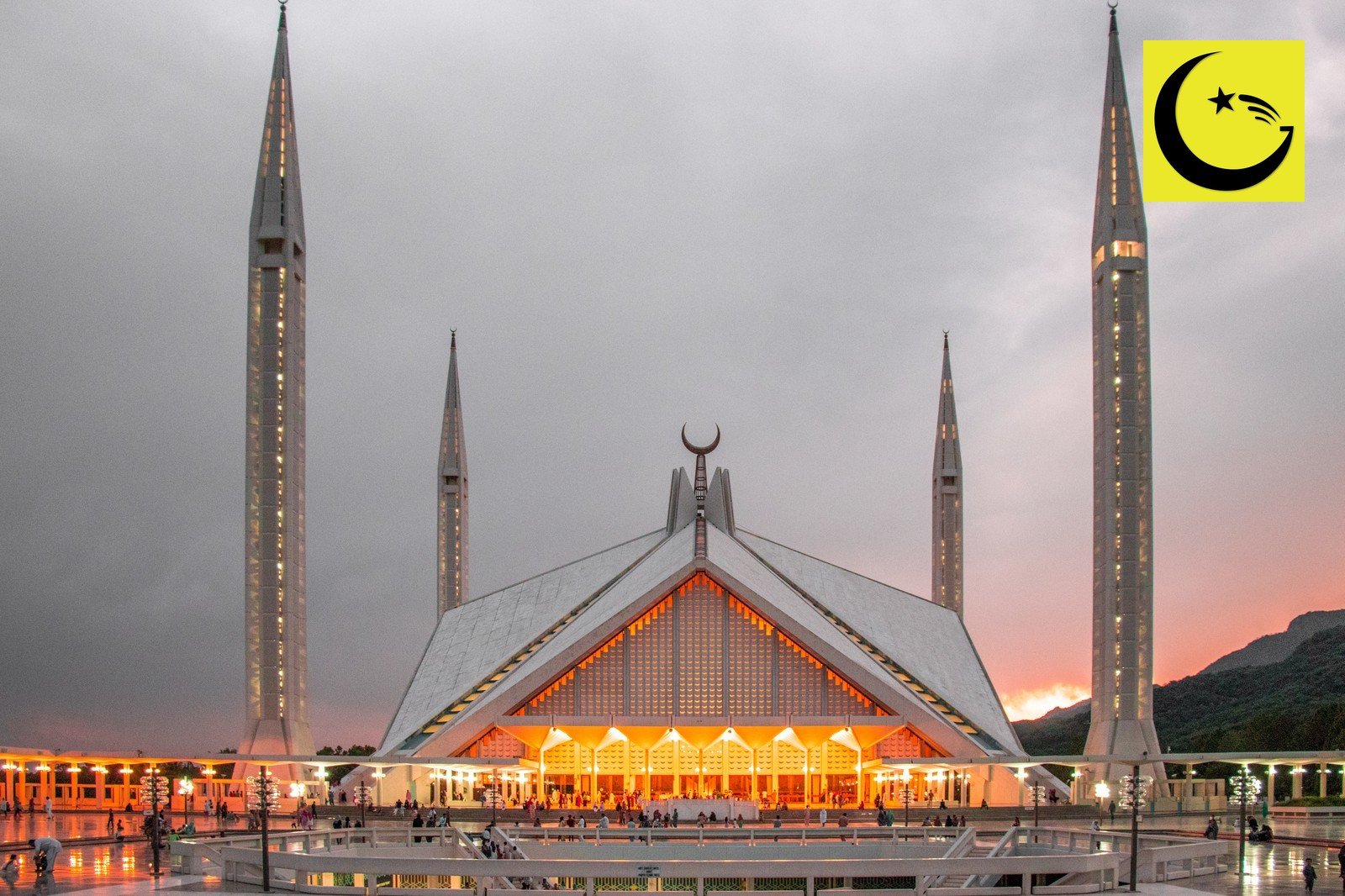
- Featured image: Faisal Mosque, Islamabad (Photo: Fawad4real, CC BY-SA 4.0, via Wikimedia Commons)
- In-body image: Pakistan Monument, Islamabad (Photo: Muhammad Ashar, CC BY-SA 4.0, via Wikimedia Commons)

Umar Farooq is the founder and editor of Good News Pakistan. An engineer by profession and a writer by passion, he started the site in December 2022 to share good news from Pakistan, and has since written and edited more than 200 articles about its people, sports, science, business and world records. He believes the story of Pakistan is bigger than its headlines, and that good news, told honestly, is worth telling every day.