

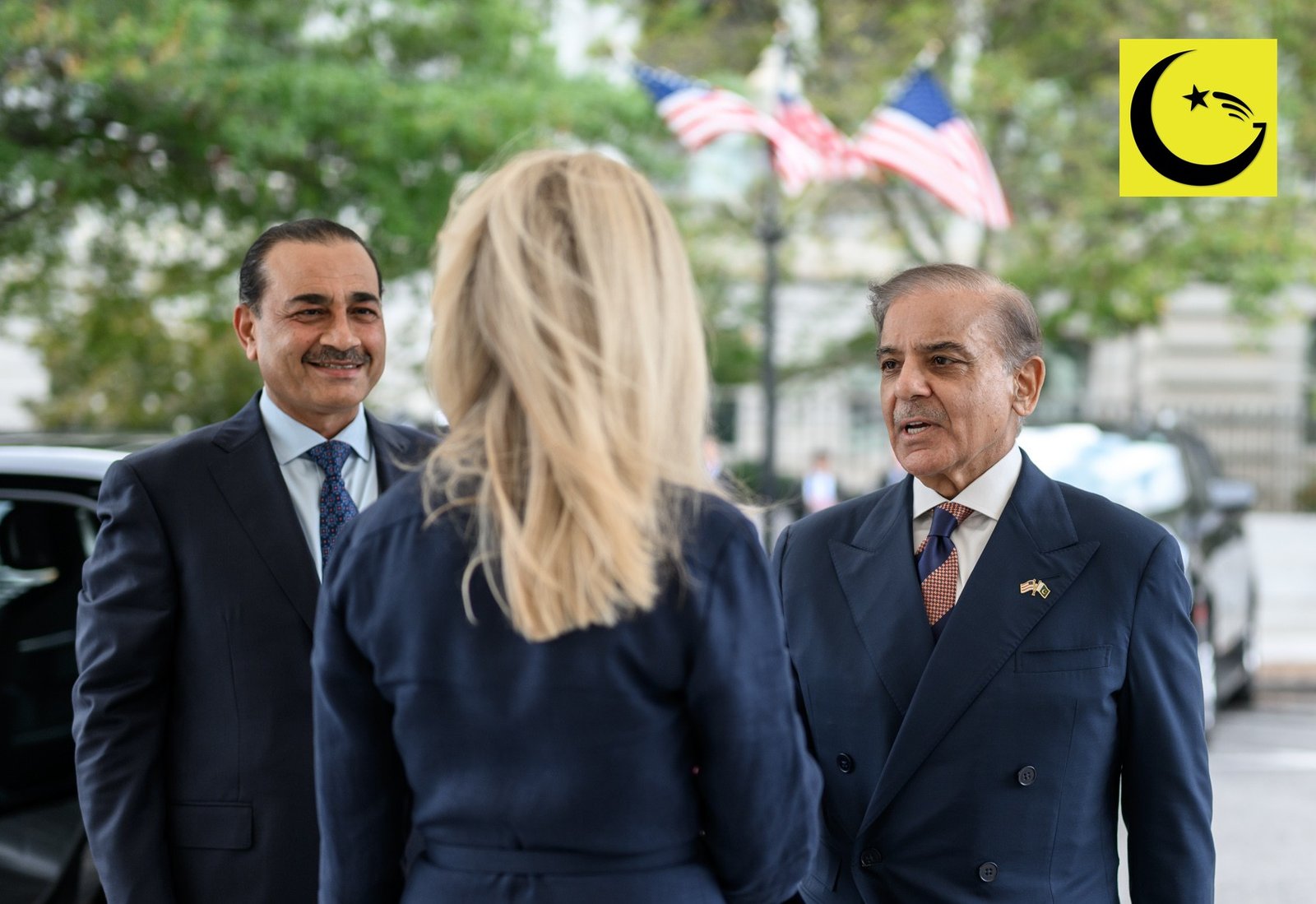
Pakistanis in the Muslim 500 2027 number 28 in total, and this year they stand at the very top of the list. Prime Minister Mian Muhammad Shehbaz Sharif and Field Marshal Asim Munir share the Joint No. 1 position, the first time in the publication’s 18 editions that the top spot has been shared at all. The Muslim 500: The World’s 500 Most Influential Muslims is published every year by the Royal Islamic Strategic Studies Centre in Amman, Jordan. Its 2027 edition, the 18th in a series that began in 2009, ranks a Top 50 and then presents the remaining 450 names in unranked categories. Six Pakistanis sit in that Top 50, up from four last year.
A Shared No. 1, for the First Time in Muslim 500 2027
The editors are clear about why they broke with 17 years of habit. The main reason, they write, is the Makkah Joint Defence Agreement, signed on 7 August 2026 and activated during an emergency summit in Riyadh. The pact unites the wealth of Saudi Arabia, the advanced technology and manufacturing of Turkiye, and the military strength of Pakistan in a collective alliance modelled on a “one for all, all for one” approach to security. In recognition of that alliance, the edition honours the leaders who built it at the very top of the list, in three joint entries:
- Saudi Arabia: King Salman bin Abdul-Aziz Al-Saud, King of Saudi Arabia and Custodian of the Two Holy Mosques, and Crown Prince Mohammed bin Salman, Crown Prince and Prime Minister of Saudi Arabia
- Pakistan: Prime Minister Mian Muhammad Shehbaz Sharif, and Field Marshal Asim Munir, Chief of Defence Forces and Chief of the Army Staff of Pakistan
- Turkiye: President Recep Tayyip Erdogan, President of the Republic of Turkiye
Below the joint top spot, the ranking resumes at No. 4 with a new entry, Ayatollah Sayyid Mojtaba Khamenei, the Supreme Leader of Iran. King Abdullah II of Jordan is No. 5, and Sheikh Tamim bin Hamad Al-Thani, the Emir of Qatar who held No. 1 in the 2026 edition, is No. 6.
Six Pakistanis in the Top 50
Pakistan’s six names in the ranked Top 50 are its strongest showing in the top tier of the list:
Joint No. 1: Mian Muhammad Shehbaz Sharif, Prime Minister of Pakistan
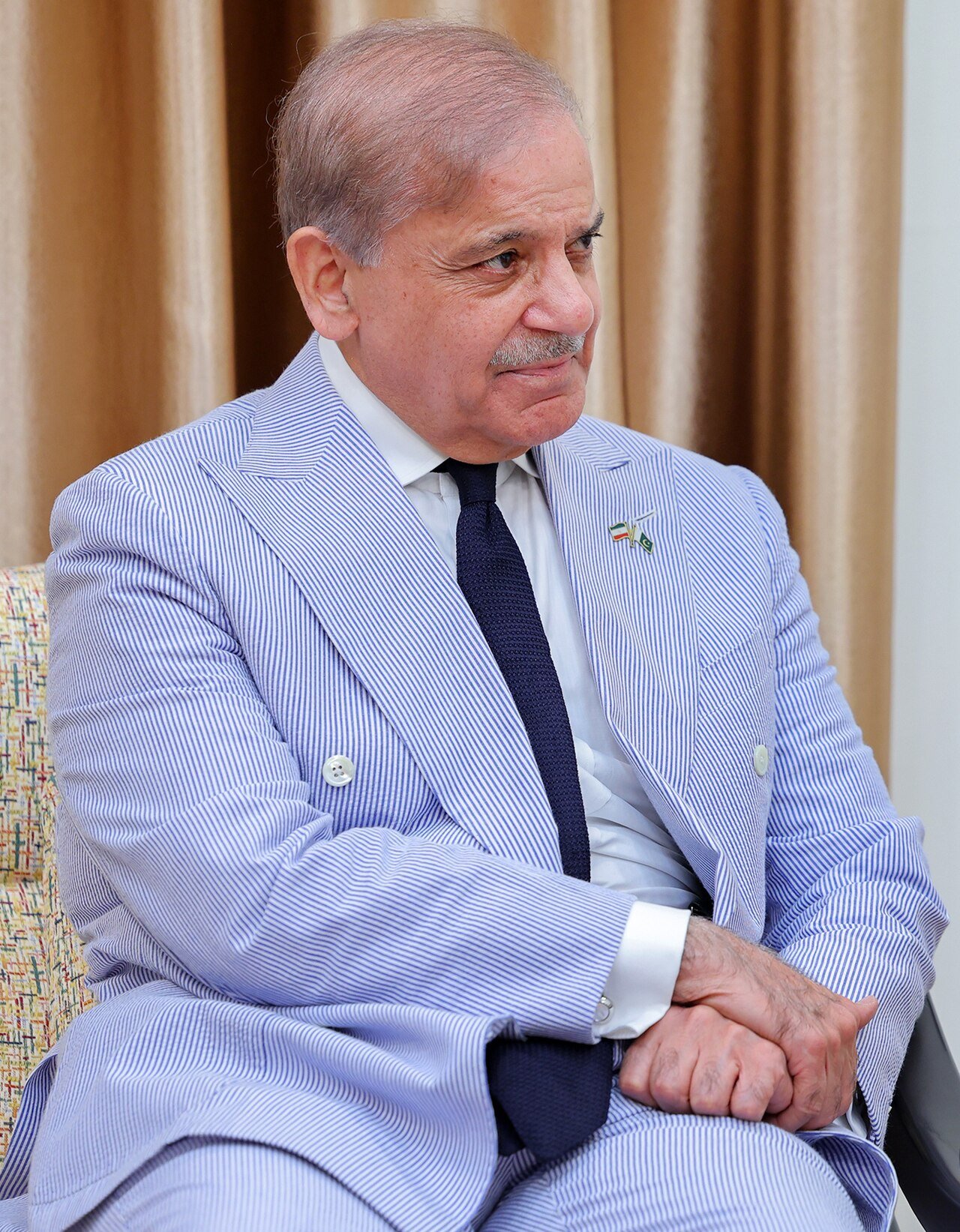
Mian Muhammad Shehbaz Sharif, Prime Minister of Pakistan and joint No. 1 in The Muslim 500 2027.
Photo: khamenei.ir, CC BY 4.0, via Wikimedia Commons
Mian Muhammad Shehbaz Sharif is serving his second term as Prime Minister of Pakistan, having returned to the office in March 2024 after a first term in 2022 and 2023. His joint No. 1 ranking is a first for a Pakistani prime minister, and the editors linked it to Pakistan’s raised diplomatic standing in 2026, including the Makkah Joint Defence Agreement signed with Saudi Arabia in August 2026. Before national office he was chief minister of Punjab three times, where he built a reputation as a hands-on administrator who pushes projects to completion.
Joint No. 1: Field Marshal Asim Munir, Chief of Defence Forces and Chief of the Army Staff
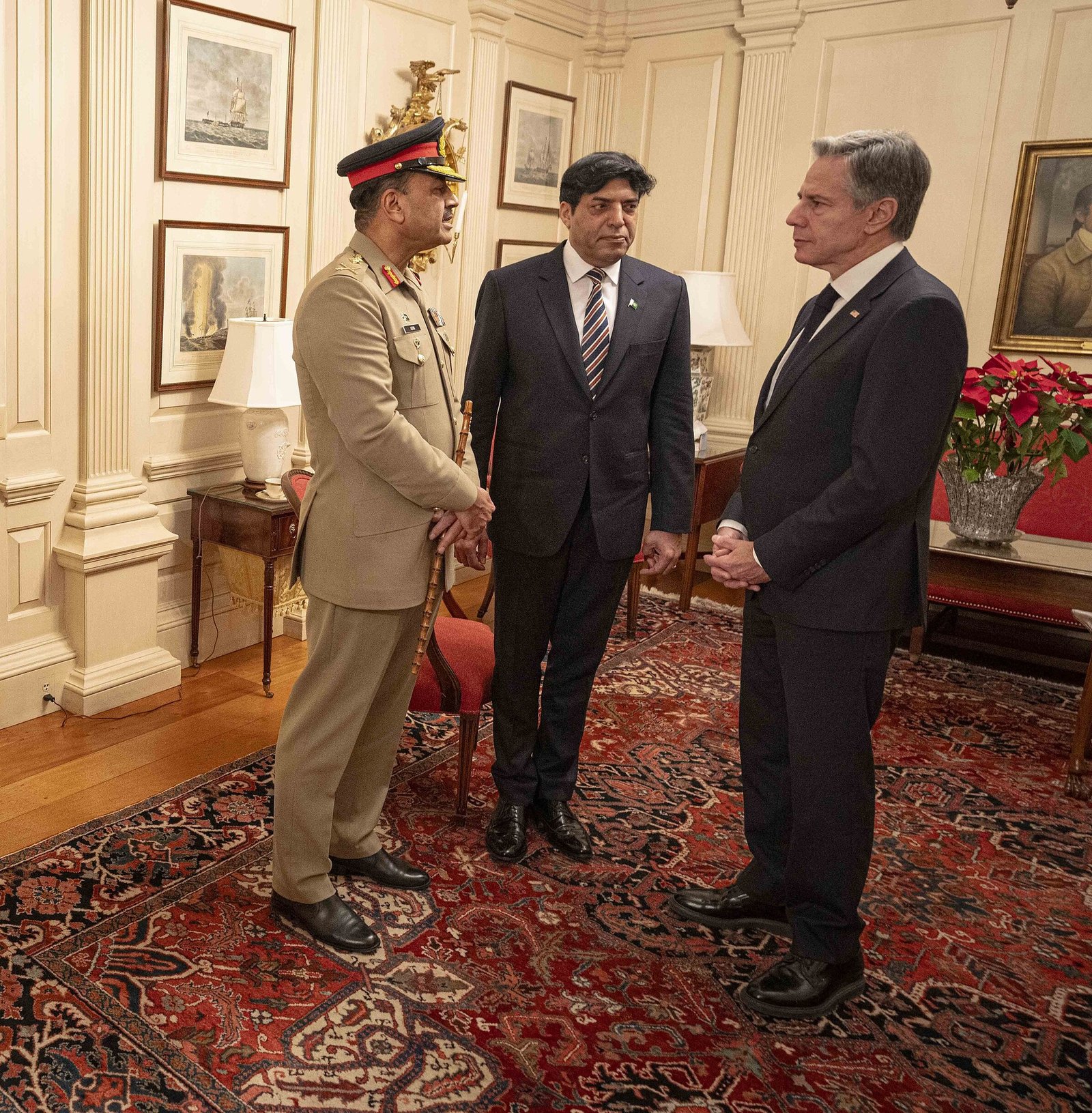
Field Marshal Asim Munir at the US State Department in Washington in December 2023, when he was Chief of Army Staff.
Photo: U.S. Department of State, public domain, via Wikimedia Commons
Field Marshal Asim Munir is Pakistan’s Chief of the Army Staff and also holds the office of Chief of Defence Forces. He became only the second field marshal in Pakistan’s history in 2025, and his joint No. 1 ranking alongside the prime minister underlines how central Pakistan’s military leadership was to the country’s diplomacy and security decisions in 2026, the year of the defence agreement with Saudi Arabia that the editors cite. He previously served as head of both the ISI and Military Intelligence.
No. 7: Sheikh Muhammad Taqi Usmani, mufti and leading scholar
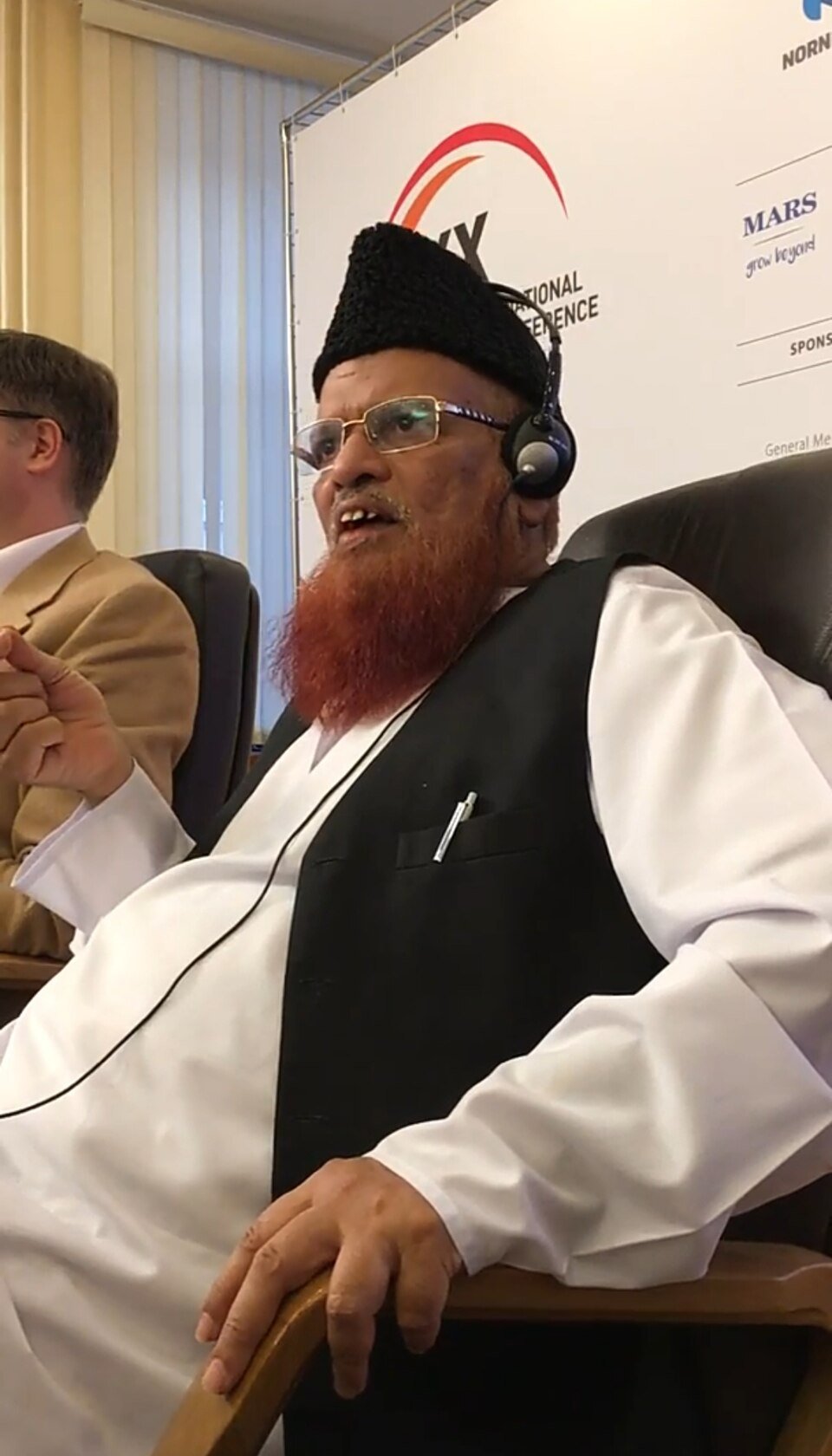
Sheikh Muhammad Taqi Usmani, ranked No. 7 in The Muslim 500 2027.
Photo: MuslimEco, CC BY 3.0, via Wikimedia Commons
Sheikh Muhammad Taqi Usmani is one of the most respected Islamic scholars alive, a mufti whose rulings are followed across the Sunni world. A former judge of the Federal Shariat Court, he is a leading authority on Islamic finance and has chaired shariah boards for major financial institutions. He has topped this list before, having been ranked No. 1 in the 2020 edition, and his books on Islamic law and economics are taught in seminaries and universities worldwide.
No. 32: Maulana Tariq Jamil, scholar and preacher
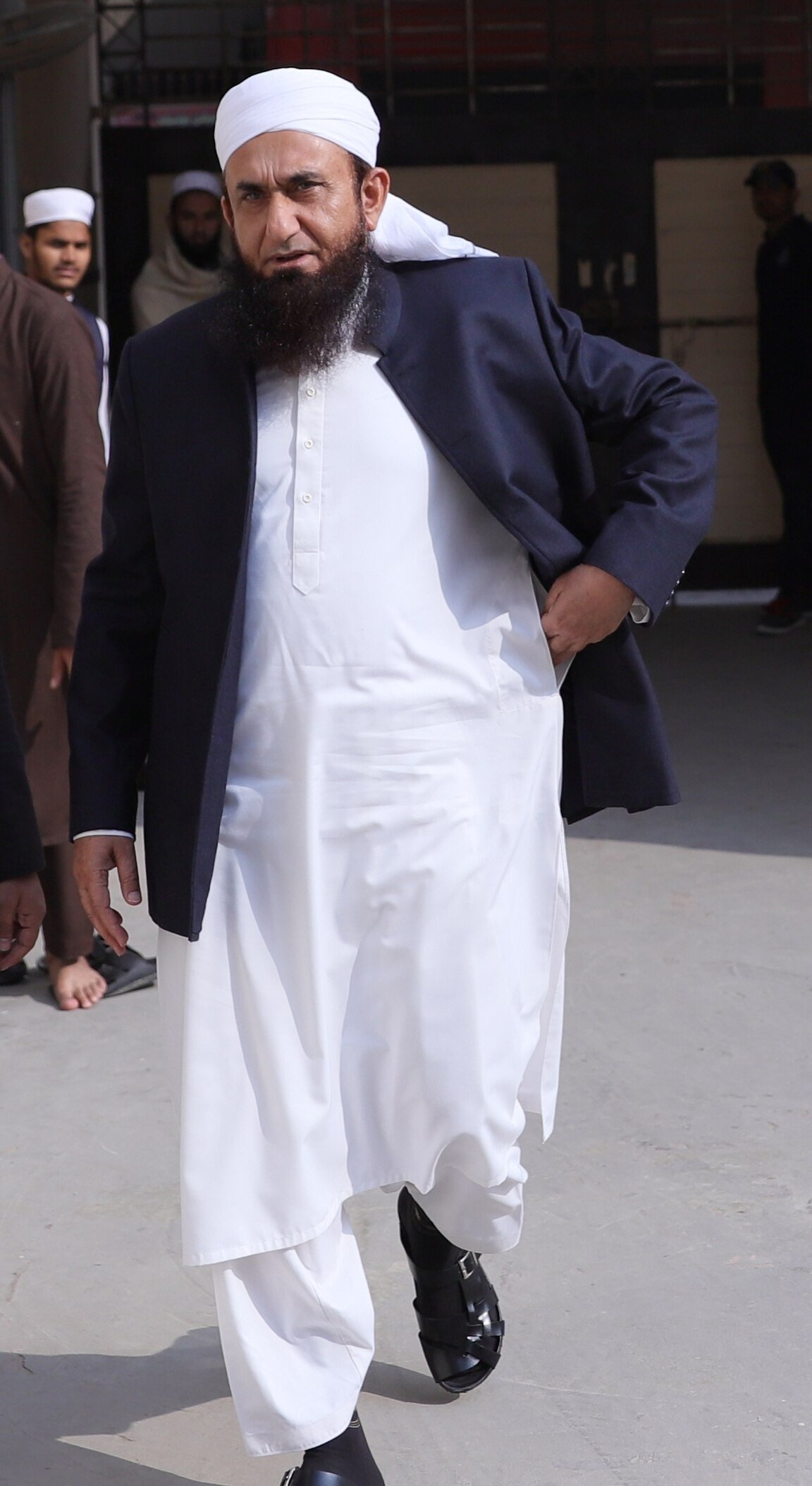
Maulana Tariq Jamil, ranked No. 32 in The Muslim 500 2027.
Photo: Muhammad Tahir Raheemi, CC0, via Wikimedia Commons
Maulana Tariq Jamil is Pakistan’s best known public preacher, whose sermons draw millions in person and online. Associated with the Tablighi Jamaat, he speaks in a gentle, story-led style that reaches far beyond regular mosque audiences, especially among the young. He founded the Jamia Al Hasanain institute in Faisalabad, and his talks on character, family and patience have made him a household name across Pakistan and its diaspora.
No. 41: The late Maulana Nazar ur-Rehman, Amir of the Tablighi Jamaat until his death on 16 November 2026

The late Maulana Nazar ur-Rehman, ranked No. 41 in The Muslim 500 2027.
Photo: The Muslim 500
Maulana Nazar ur-Rehman, who died on 16 November 2026 aged 97, was the Amir of the Tablighi Jamaat in Pakistan, the world’s largest Islamic missionary movement, whose annual gathering at Raiwind near Lahore is one of the biggest Muslim congregations anywhere. He led a movement active across the world while keeping a deliberately low personal profile, rarely appearing in the media, and he was also a teacher of Maulana Tariq Jamil. His No. 41 ranking, published only days before his death, reflects the sheer global reach of the Jamaat’s quiet, mosque-based preaching work. His funeral was held at Raiwind.
No. 44: Sheikh Muhammad Ilyas Attar Qadiri, founder of Dawat-e-Islami
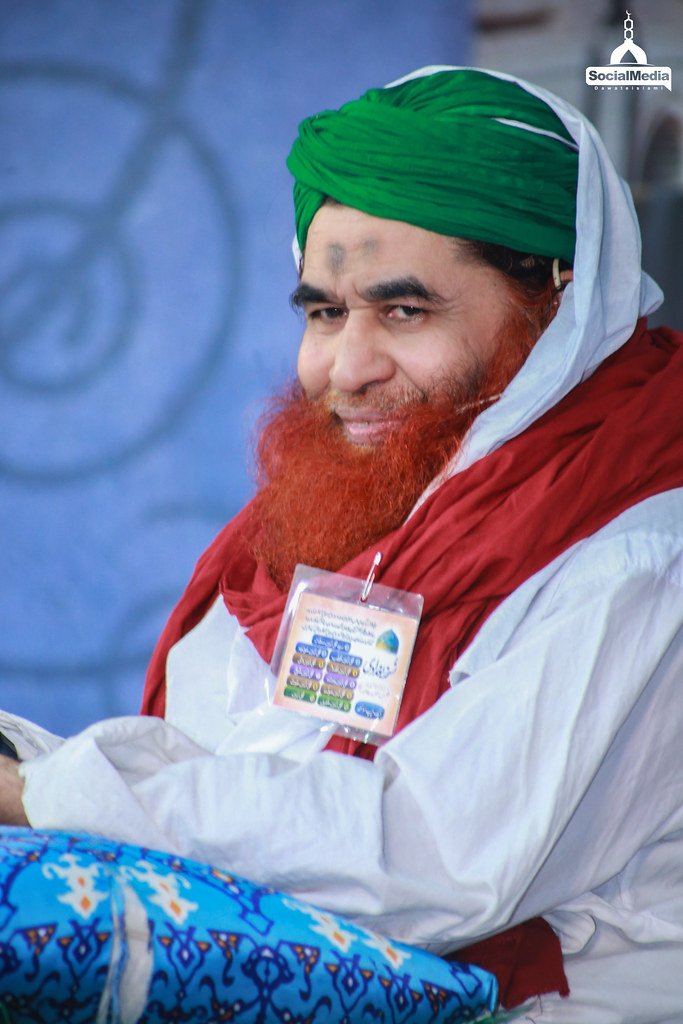
Sheikh Muhammad Ilyas Attar Qadiri, founder of Dawat-e-Islami, ranked No. 44 in The Muslim 500 2027.
Photo: Dawat-e-Islami, CC BY-SA 2.0, via Flickr
Sheikh Muhammad Ilyas Attar Qadiri founded Dawat-e-Islami in Karachi in 1981, and it has grown into a global Sunni movement running mosques, schools and welfare projects in dozens of countries. His book Faizan-e-Sunnat is one of the most widely read Islamic books of recent decades, and the movement’s Madani Channel broadcasts religious programming in several languages. His followers are recognised by the green turban he made the movement’s signature.
The rise of the two leaders is the story of the edition. A year ago, as our coverage of the 2026 edition recorded, Shehbaz Sharif and Asim Munir were not ranked at all: both sat in the unranked political lists of the 450. The defence agreement they helped build has carried them straight to a shared No. 1, alongside a king, a crown prince and a president.
READ MORE
28 Pakistanis in The Muslim 500 2026: Mufti Taqi Usmani Ranked No. 2 in the World
Mufti Taqi Usmani, From No. 2 to No. 7
Mufti Muhammad Taqi Usmani, who stood at No. 2 in the world in the 2026 edition, is placed at No. 7 this year. The movement says more about the reshuffle at the very top, where five leaders now share one position and a new Iranian supreme leader enters at No. 4, than about any change in the regard for his scholarship. He remains the highest ranked Pakistani scholar in the book, described as a leading scholar of Hadith, Islamic jurisprudence and Islamic finance, and a founding authority of the modern Islamic finance industry. The other three religious figures hold exactly the positions they held last year: Maulana Tariq Jamil stays at No. 32, Maulana Nazar ur-Rehman at No. 41, and Muhammad Ilyas Attar Qadiri at No. 44.
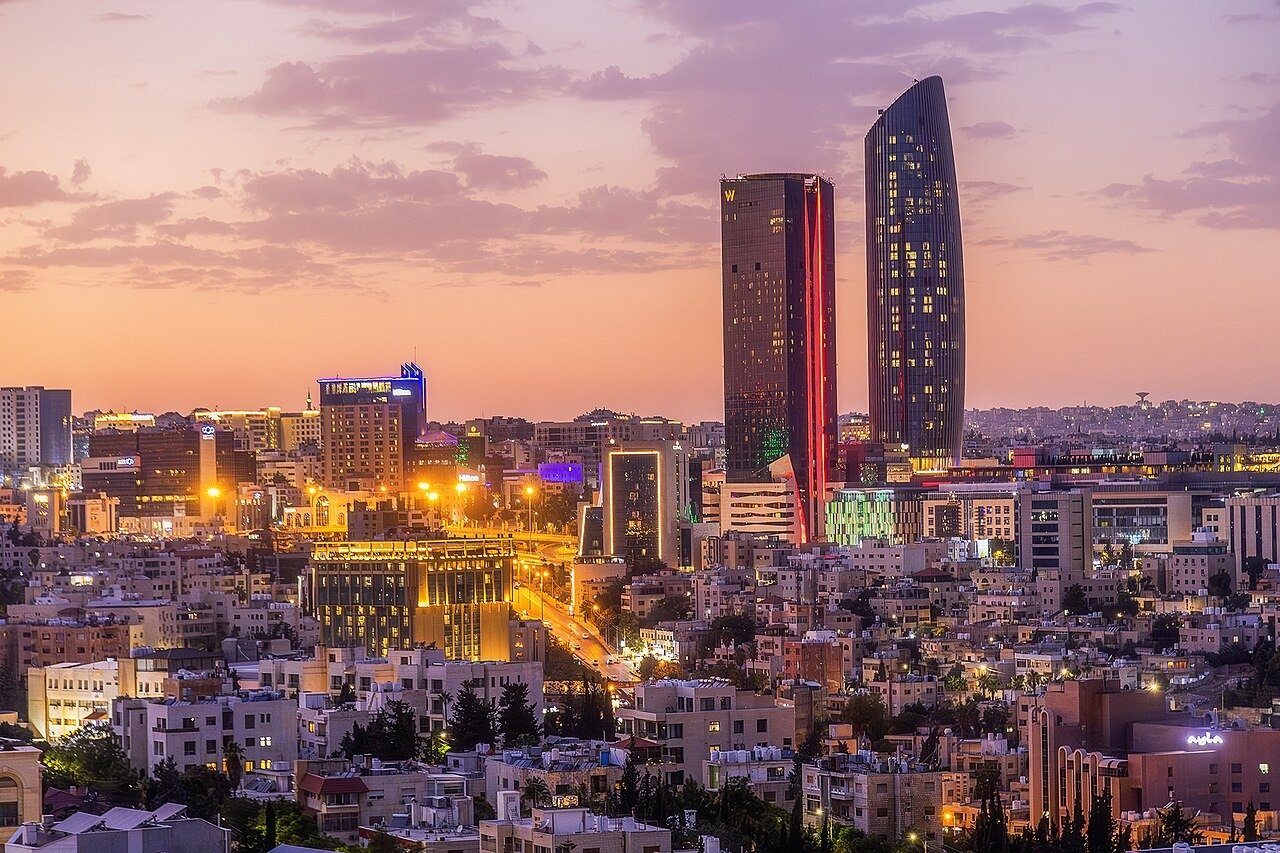
The modern Abdali skyline in Amman, Jordan, the city where The Muslim 500 is published.
Photo: Ibrahim nabeel salah, CC BY 4.0, via Wikimedia Commons
Honourable Mentions With Full Profiles
Two Pakistanis receive honourable mentions with full profiles in the book, in each case alongside their place in the unranked 450. Imran Khan, the former Prime Minister and former Pakistan cricket captain, is profiled in the political field. Professor Akbar Ahmed, who holds the Ibn Khaldun Chair of Islamic Studies at American University in Washington DC and earlier served as Pakistan’s High Commissioner to the United Kingdom, is profiled in the scholarly field. The book lists him under Pakistan even though he is based in the United States.
Pakistanis in the Muslim 500 2027, Category by Category
The remaining Pakistani names appear in the unranked 450, grouped by the field in which the book places them. In total there are 22, and the list is strikingly stable: it is the same company of names that carried Pakistan’s count last year.
- Scholarship: Professor Akbar Ahmed; Dr Farhat Hashmi; and Sheikh Dr Muhammad Tahir-ul-Qadri.
- Politics: Imran Khan, former Prime Minister of Pakistan.
- Administration of religious affairs: Hafiz Naeem ur Rehman; and Ayatollah Syed Sajid Ali Naqvi.
- Preachers and spiritual guides: Khanum Tayyaba Bukhari; and Javed Ahmad Ghamidi.
- Philanthropy, charity and development: Professor Dr Adibul Hasan Rizvi, founder of SIUT in Karachi.
- Social issues: Muniba Mazari; and Malala Yousafzai.
- Science and technology: Professor Atta-ur-Rahman; Dr Umar Saif; and Professor Irfan Siddiqi.
- Arts and culture: Abida Parveen; Sharmeen Obaid-Chinoy; Al-Hajj Siddiq Ismail; Muhammad Owais Raza Qadri; and Syed Nadeem Raza Sarwar.
- Media: Salman Iqbal; Hamid Mir; and Mir Shakil-ur-Rahman.
- Business, Qur’an reciters, celebrities and sports, and extremists: no names are listed under Pakistan in these four categories this year.
READ MORE
Malala Yousafzai: Still the Youngest Nobel Laureate in History
Pakistani-Origin Names Listed Under Other Countries
The book also carries several names of Pakistani origin under the countries where they now live. Sadiq Khan, the Mayor of London, receives an honourable mention profile under the United Kingdom. Shabana Mahmood, the British-Pakistani politician who serves as UK Home Secretary, appears in the political list under the United Kingdom, as does journalist Mehdi Hasan in the media field. Shahid Khan appears in the business list under the United States: he left Pakistan for America in 1967 at the age of 16 and went on to build the Flex-N-Gate group and buy the Jacksonville Jaguars and Fulham Football Club. These four are not counted in the 28 above, because the book itself lists them under other countries.
Man and Woman of the Year
The editors named Dr Hussam Abu Safiya as the Muslim 500 Man of the Year 2027. He is a Palestinian paediatrician and the director of Kamal Adwan Hospital in Beit Lahiya, in northern Gaza, who refused to abandon his patients and has been held in Israeli detention without charge since December 2024. He also closes the ranked list at No. 50. The Woman of the Year is Fatemeh Zahra Sheikhabadi, a schoolgirl from Minab in southern Iran who survived the February 2026 attack on her elementary school and later addressed the UN Human Rights Council.
What Changed, and What Did Not
Set against the 2026 edition, the numbers tell a precise story. Pakistan’s total is unchanged at 28 names, and the 22 names in the unranked categories are the same people in the same fields. Everything that changed, changed at the top: the Top 50 contingent grew from four to six, a Pakistani scholar’s No. 2 gave way to two Pakistani leaders sharing No. 1, and the reason the editors give is a defence agreement that did not exist when the last edition closed. For Pakistan, Muslim 500 2027 will be remembered as the year the country shared first place in a record it had been climbing for years.
Sources
- The Muslim 500, Top 50 of the 2027 edition (official)
- The Muslim 500, 2027 edition index: the 13 category lists, honourable mentions and persons of the year (official)
- The Muslim 500, Persons of the Year 2027 (official)
- Good News Pakistan: 28 Pakistanis in The Muslim 500 2026, for the year on year comparison
- Featured image: Prime Minister Shehbaz Sharif and Field Marshal Asim Munir arriving in Washington, September 2025 (The White House, Public domain, via Wikimedia Commons)
- In-body image: the Abdali skyline in Amman, Jordan (Photo: Ibrahim nabeel salah, CC BY 4.0, via Wikimedia Commons)
- Shehbaz Sharif photo (Photo: khamenei.ir, CC BY 4.0, via Wikimedia Commons)
- Asim Munir photo (Photo: U.S. Department of State, public domain, via Wikimedia Commons)
- Taqi Usmani photo (Photo: MuslimEco, CC BY 3.0, via Wikimedia Commons)
- Tariq Jamil photo (Photo: Muhammad Tahir Raheemi, CC0, via Wikimedia Commons)
- Nazar ur-Rehman photo (Photo: The Muslim 500)
- Ilyas Attar Qadiri photo (Photo: Dawat-e-Islami, CC BY-SA 2.0, via Flickr)

Umar Farooq is the founder and editor of Good News Pakistan. An engineer by profession and a writer by passion, he started the site in December 2022 to share good news from Pakistan, and has since written and edited more than 200 articles about its people, sports, science, business and world records. He believes the story of Pakistan is bigger than its headlines, and that good news, told honestly, is worth telling every day.