

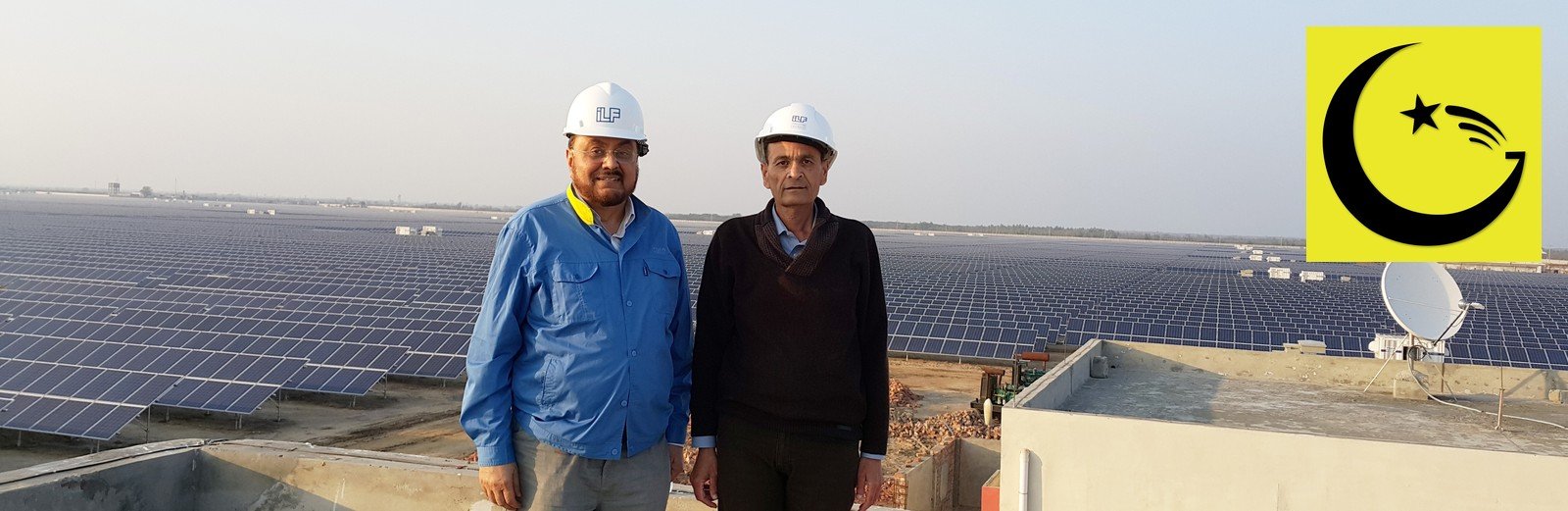
Pakistan solarization savings reached an estimated $4.5 to $5.5 billion in net energy imports in FY26, according to State Bank of Pakistan staff estimates reported on 23 November 2026. The gross saving was larger still, put at $5.9 to $6.9 billion, before about $1.4 billion of imported solar equipment is counted against it. Behind the numbers sits a simple shift: millions of Pakistanis now generate part of their own electricity, and every unit they make is fuel the country does not have to import.
The estimates rest on a rapid build-out. Pakistan’s installed solar capacity rose from 38 gigawatts in FY2025 to 51 gigawatts by March 2026, according to the Pakistan Electricity Review Report 2026, with average operational capacity of 44.5 gigawatts across FY26. These are total installed figures across rooftop, commercial and utility installations, measured on a different basis from net-metering counts alone.
How the estimate is built
The State Bank staff worked from a capacity factor of 17 to 20 percent, which puts Pakistan’s solar generation for the year at roughly 66 to 78 terawatt-hours. Each of those units displaces grid electricity that would otherwise be generated by burning imported fuel, at a weighted average cost of PKR 24.9 per unit: RLNG at about PKR 34, coal at about PKR 16 and furnace oil at about PKR 58. Converted at PKR 281 to the dollar, the displaced fuel adds up to a gross import saving of PKR 1,650 billion to PKR 1,941 billion.
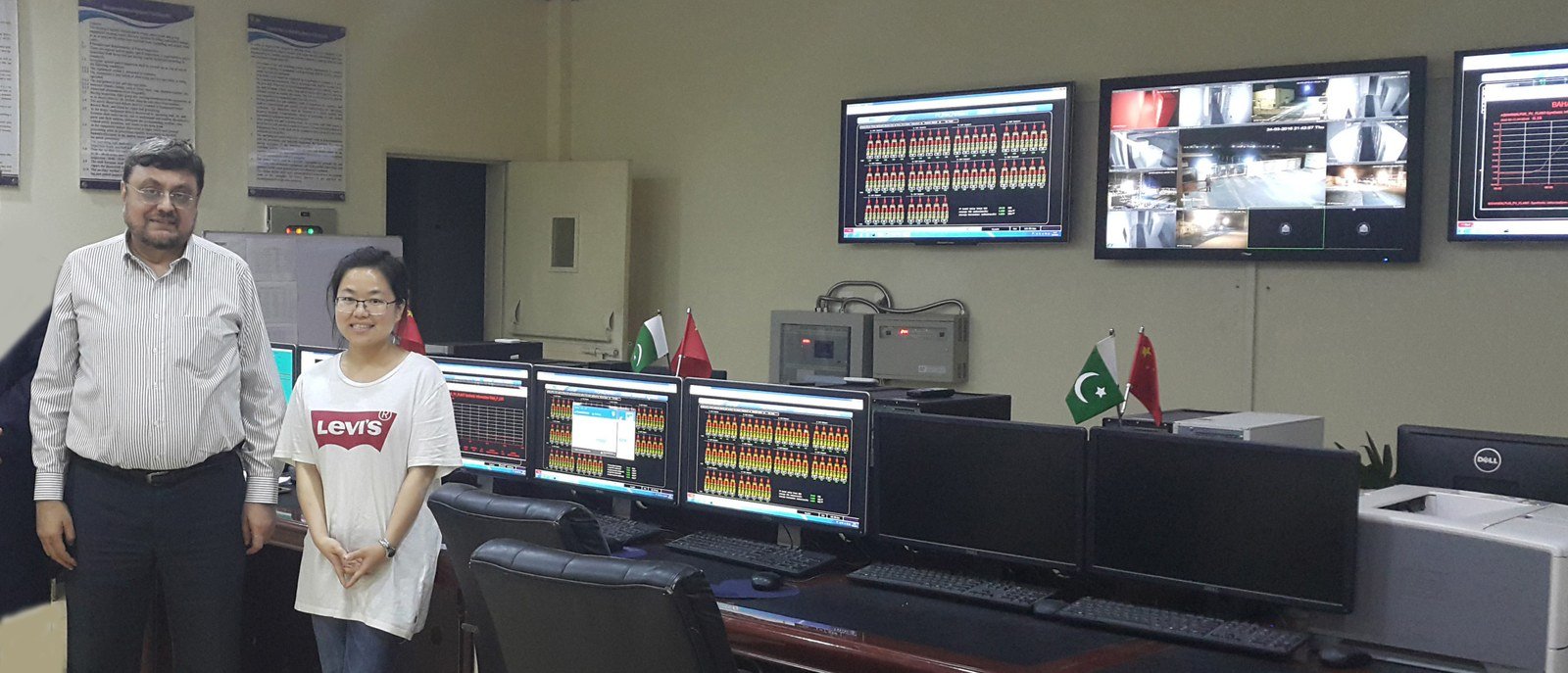
The control room of the 100 MW solar power plant at Bahawalpur, one of the utility-scale plants in Pakistan’s growing solar fleet. Photo: Janejenkins via Wikimedia Commons (CC BY-SA 4.0)
The equipment bill that offsets the saving
Solarization is not free of imports itself. Within the machinery import bill for the period sit about $819 million of solar panels, $344 million of inverters and $254 million of batteries, roughly $1.4 billion in total. Netting that equipment cost against the avoided fuel gives the headline figure: a net saving of $4.5 to $5.5 billion in a single year, with the panels and batteries bought once going on generating for years afterwards.
A saving that repeats every year
The arithmetic has a feature that one-off savings do not. The $1.4 billion of panels, inverters and batteries is largely a single purchase, while the fuel saving it produces recurs every year the equipment operates, and solar panels are warranted for decades. Pakistan solarization savings therefore behave less like a discount and more like a permanent reduction in the import bill, growing as each year’s new installations add their output to the fleet. The jump from 38 to 51 gigawatts of installed capacity in a single year suggests the FY26 figure, large as it is, will not be the peak.
The pattern also changes who decides Pakistan’s energy future. Utility projects are planned by the state, but this build-out was financed by households, farmers, factories and businesses buying their own systems, which is why it continued through years when big power projects stalled. The State Bank’s estimate is, in effect, the first official attempt to price what that quiet, decentralised investment has been worth to the national accounts.
Pakistan solarization savings, built from customs data
The estimate was assembled from Pakistan Bureau of Statistics import data at the detailed HS 8-digit level, NEPRA reports, China’s solar photovoltaic export data and Ember’s energy reporting. It is a staff estimate rather than an official balance of payments line, and it will be refined as final FY26 data lands. Even at the bottom of the range, though, the direction is unmistakable: Pakistan solarization savings have become one of the largest single items holding the energy import bill down, achieved not by a state megaproject but by households and businesses putting panels on their own roofs and land.
Sources
- TechJuice, SBP estimates solarization saves Pakistan up to $5.5B of net imports in FY26
- NewsTodays, SBP: solarization cuts Pakistan’s net energy imports by $5.5B in FY26
- Featured photo: Janejenkins via Wikimedia Commons, CC BY-SA 4.0 (engineers overlooking the Bahawalpur solar park)
- In-body photo: Janejenkins via Wikimedia Commons, CC BY-SA 4.0 (the Bahawalpur plant control room)

Umar Farooq is the founder and editor of Good News Pakistan. An engineer by profession and a writer by passion, he started the site in December 2022 to share good news from Pakistan, and has since written and edited more than 200 articles about its people, sports, science, business and world records. He believes the story of Pakistan is bigger than its headlines, and that good news, told honestly, is worth telling every day.
- Umar Farooq
- Umar Farooq
- Umar Farooq
- Umar Farooq
- Umar Farooq