

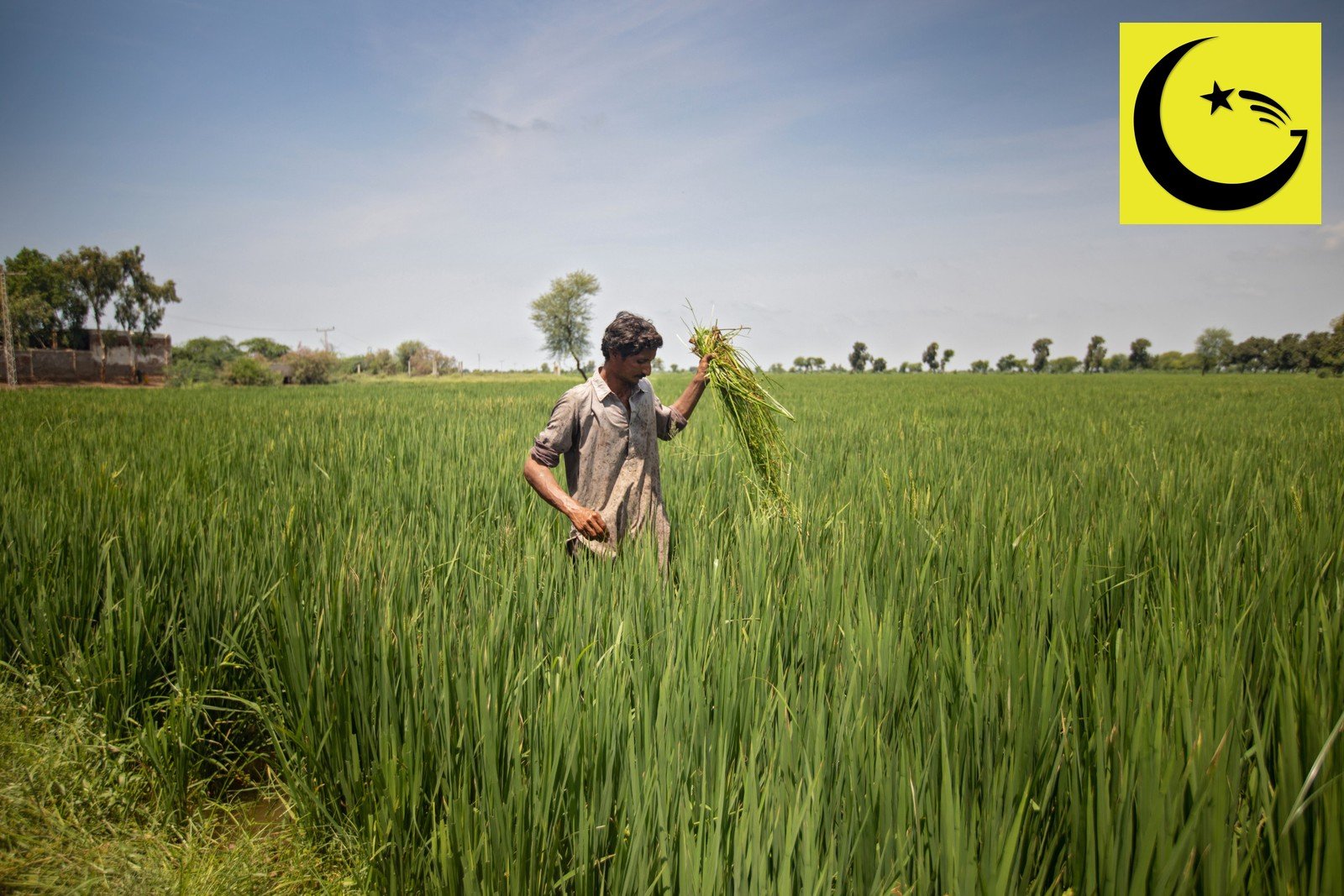
Pakistan rice exports reached 1.351 million tonnes in the first four months of FY27, July to October 2026, up 353,000 tonnes on the same period last year, with Basmati shipments rising 62 percent to 301,000 tonnes. The four-month figures extend the run that saw Pakistan’s rice exports beat Vietnam’s in September, and they were achieved while shipping through the Red Sea and the Strait of Hormuz remained disrupted.
On the value side, Ministry of National Food Security and Research data reported by WealthPK put rice export earnings at $825.1 million for July to October, up 40.2 percent from $588.6 million a year earlier. Rice alone accounted for nearly 70 percent of the growth in Pakistan’s overall food exports, which rose 21.8 percent to $1.892 billion in the same four months.
Basmati leads the growth
Basmati was the standout. Shipments of the aromatic variety rose 62 percent, an increase of 116,000 tonnes to 301,000 tonnes, helped by the extension of the DLTL export support scheme through September, healthy carryover stocks, expanded planted area, double-cropping in parts of the rice belt, higher yields and an overall bumper harvest. For a variety that earns Pakistan’s best per-tonne prices in Gulf and European markets, that volume jump is the most valuable part of the four-month story.
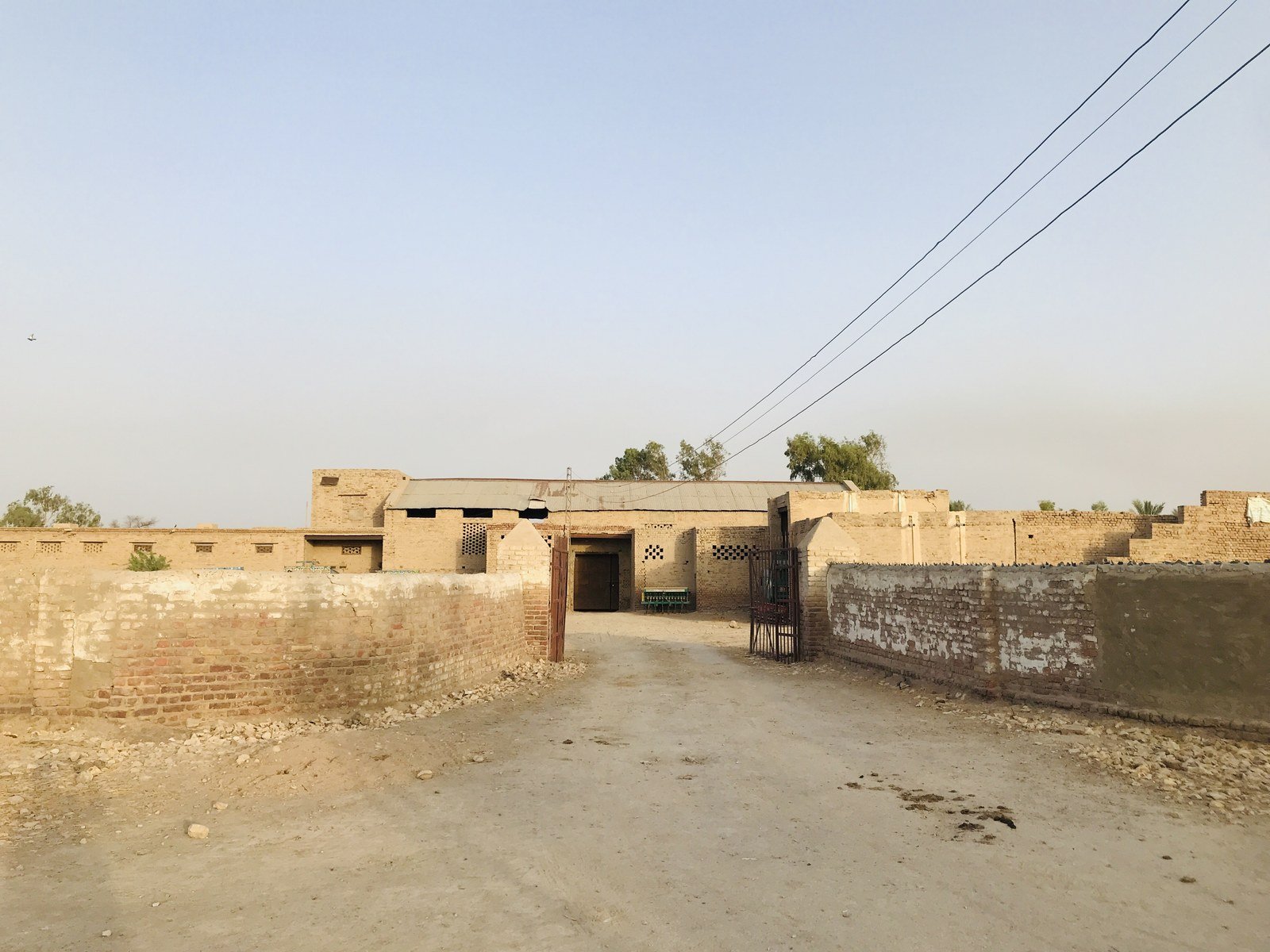
Rice mills at Walisabad (Bado) in Shikarpur, Sindh, part of the milling network that prepares Pakistani rice for buyers around the world. Photo: Mehtab Ahmed Sindhi via Wikimedia Commons (CC BY-SA 4.0)
Non-Basmati holds its ground
Non-Basmati rice rose 16 percent to 1.049 million tonnes, up 140,000 tonnes year on year, despite stiff competition from other regional exporters in the price-sensitive markets of Africa and Asia. Holding growth in that segment matters: non-Basmati is the volume business that keeps mills running and ships full between Basmati seasons.
Growth despite disrupted shipping lanes
The four months covered some of the hardest conditions exporters have faced in years. Disruption in the Red Sea, tension around the Strait of Hormuz and wider Middle East shipping problems forced route diversions, longer voyages, higher freight rates and steeper marine insurance. That Pakistan rice exports still grew by more than a third of a million tonnes through that period speaks to both demand for the crop and the work exporters put into keeping contracts supplied.
The crop behind the numbers
Exporters credit the season’s supply position as much as demand. A bumper harvest, expanded area under rice, double-cropping in suitable districts and higher yields left mills with grain to sell, while carryover stocks from the previous season meant contracts could be honoured from the start of the marketing year. The extension of the DLTL scheme through September kept Pakistani offers competitive during the crucial early shipping window, when buyers place the orders that set the season’s tone. Pakistan rice exports have leaned on that combination, a good crop and timely policy support, rather than on any single market’s appetite.
The value figures underline the point. Rice earned $825.1 million in four months, and because total food exports reached $1.892 billion, rice alone supplied nearly 70 percent of the growth in the whole food basket. Few other product lines in Pakistan’s export economy can move the national numbers the way a strong rice season does.
Pakistan rice exports: where the rice went in October
October’s buyer list shows the spread. The Philippines took 87,478 tonnes, followed by Tanzania with 43,747 tonnes, Kenya with 33,078, the United Arab Emirates with 25,305, the European Union with 21,200, Central Asia with 16,400, China with 11,949 and Saudi Arabia with 7,655 tonnes. It is a customer base spread across four continents, which is exactly the resilience Pakistan’s rice trade needs while any single route can close without warning.
Sources
- Pakistan Today via NewsHunt, Pakistan’s rice exports reach 1.35 million tonnes as Basmati shipments rise 62%
- WealthPK, food export earnings data, July to October FY27
- Featured photo: Khaula Jamil for Action Against Hunger (a farmer in a Pakistani rice field)
- In-body photo: Mehtab Ahmed Sindhi via Wikimedia Commons, CC BY-SA 4.0 (rice mills in Shikarpur, Sindh)

Umar Farooq is the founder and editor of Good News Pakistan. An engineer by profession and a writer by passion, he started the site in December 2022 to share good news from Pakistan, and has since written and edited more than 200 articles about its people, sports, science, business and world records. He believes the story of Pakistan is bigger than its headlines, and that good news, told honestly, is worth telling every day.
- Umar Farooq
- Umar Farooq
- Umar Farooq
- Umar Farooq
- Umar Farooq