

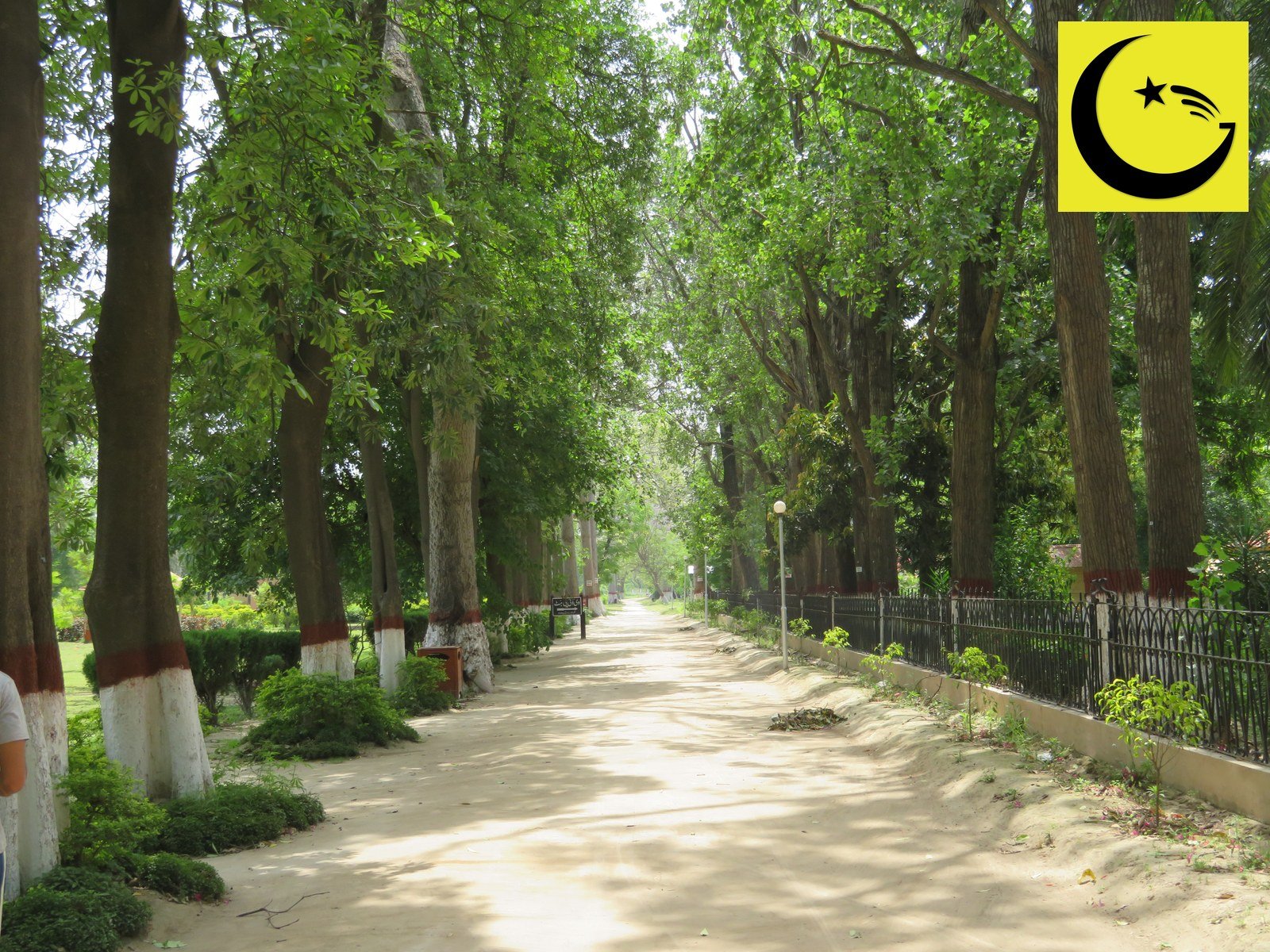
Changa Manga, in Tehsil Chunian of Kasur district, about 74 kilometres south-west of Lahore, is a forest that people planted tree by tree. Planting began in 1866, and at its largest this hand-planted forest was the biggest man-made forest on Earth. It still stands today: smaller than it once was, but still one of the largest man-made forests in the world, and the largest in Pakistan.
In this article: Planted for the railway; The record it once held; Two brothers and a name; A living forest; Why this is good news for Pakistan
Planted for the Railway in 1866
The forest exists because of steam. In the 1860s the North-Western Railway was spreading across Punjab, and its locomotives and track beds needed a steady supply of timber and fuel. British foresters began planting at Changa Manga in 1866, laying out a working plantation of sheesham, kikar, mulberry and other hardy trees that could be felled, replaced and felled again. Within about fifteen years the plantation had grown into a true forest, watered by a network of canals cut through the trees.
The plantation even had its own railway. A narrow-gauge forestry line was built in 1870 to haul cut timber out of the forest, and the network grew to about 25 kilometres of track running between the trees. It is a measure of how seriously the forest was planned: this was not a park that happened to grow, but a piece of working green infrastructure, designed to feed an industrial railway for generations.

The narrow-gauge forestry railway runs through the planted forest, on a line first built in 1870 to carry timber. Photo: Torbenbrinker via Wikimedia Commons
The Record Changa Manga Once Held
At its largest, the forest covered about 24,000 acres, and it was recognised as the world’s largest man-made forest. No other planted forest on Earth matched it. That record belongs to history now, and the honest part of the story matters: decades of illegal logging cut deep into the trees, and today the forest covers about 12,510 acres, or 5,065 hectares, less than half of its greatest size.
But the fact at the centre of this article is not the loss. It is that the forest is still here. A plantation started in 1866 has survived a century and a half of pressure and remains one of the largest man-made forests in the world, and Pakistan’s largest man-made forest, under the care of the Punjab Forest Department. Forests planted by hand can vanish in a generation when nobody protects them. This one was protected, and it stands.
Two Brothers and a Name
The name has nothing to do with trees. Local folklore says the forest is named after two brothers, Changa and Manga, outlaws who used this stretch of dense woodland as a hiding place to escape the authorities. The tale says the brothers became so well known locally that their names attached themselves to the land, and the forest that grew over their old refuge kept the names long after the brothers were gone. It is a fitting story for Pakistan’s most famous planted forest: a place of shelter first, and a forest second.
A Living Forest in Kasur District
Today the forest is far more than old timber rows. Inside it sits a wildlife reserve of about 40 acres, built in 2008, and the wider forest shelters 14 mammal species, 50 bird species, 6 reptile species, 2 amphibian species and 27 insect species. Rows of planted trees, some of them descendants of the original nineteenth-century planting, still march along the canals and avenues, and the whole forest is managed by the Punjab Forest Department as a protected plantation and reserve.
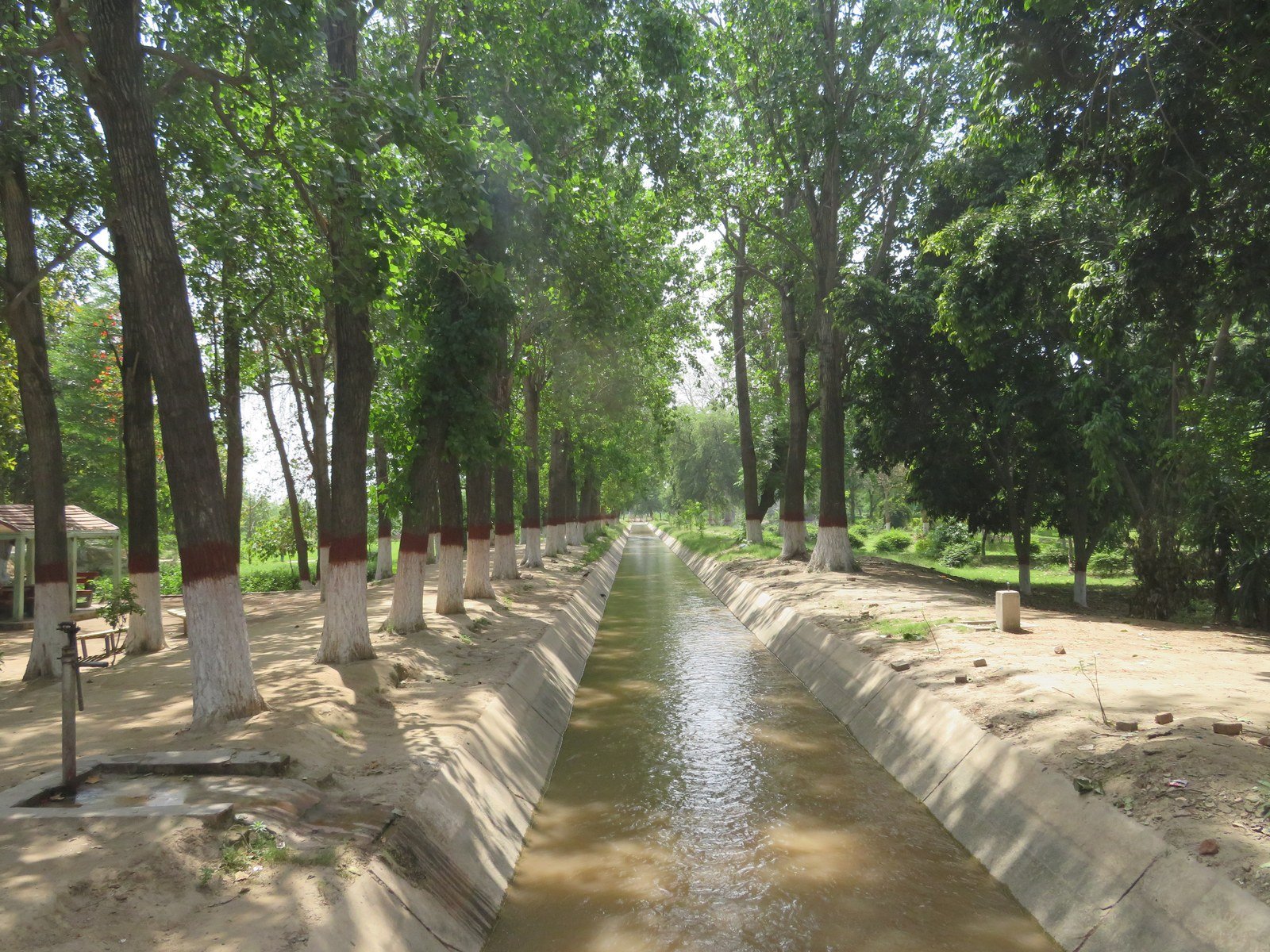
A canal lined with plantation trees waters the forest, part of the irrigation network cut through the trees in the nineteenth century. Photo: Torbenbrinker via Wikimedia Commons
Few countries can point to a forest their own foresters planted before the motor car existed and show that it is still alive, still counted among the largest of its kind on the planet, and still sheltering wildlife. Pakistan can.
Why This Is Good News for Pakistan
Pakistan’s forest cover is among the lowest in the region, and most green news from the country is about planting drives whose results will take decades to judge. Changa Manga is the proof, already standing, that planting works at the largest scale when it is planned properly and guarded properly. It shows that a Pakistani forest can be built by hand, hold a world record, survive 160 years, and still give a district cleaner air, wildlife habitat and a living piece of history. The lesson of the forest is not only what was lost to illegal logging. It is what Pakistan gained by planting, and what it can gain again wherever the same patience and protection are applied.
Sources
- Wikipedia, Changa Manga
- Zameen Blog, Some Interesting Facts about the Changa Manga Forest
- Graana, Changa Manga Forest: All You Need to Know
- TravelTute, Changa Manga Forest Park guide
- IRFCA, The Changa Manga Forest Railway
- Featured photo: Torbenbrinker via Wikimedia Commons (CC BY-SA 4.0)
- In-body photos: Torbenbrinker via Wikimedia Commons (CC BY-SA 4.0)

Umar Farooq is the founder and editor of Good News Pakistan. An engineer by profession and a writer by passion, he started the site in December 2022 to share good news from Pakistan, and has since written and edited more than 200 articles about its people, sports, science, business and world records. He believes the story of Pakistan is bigger than its headlines, and that good news, told honestly, is worth telling every day.
- Umar Farooq
- Umar Farooq
- Umar Farooq
- Umar Farooq
- Umar Farooq