

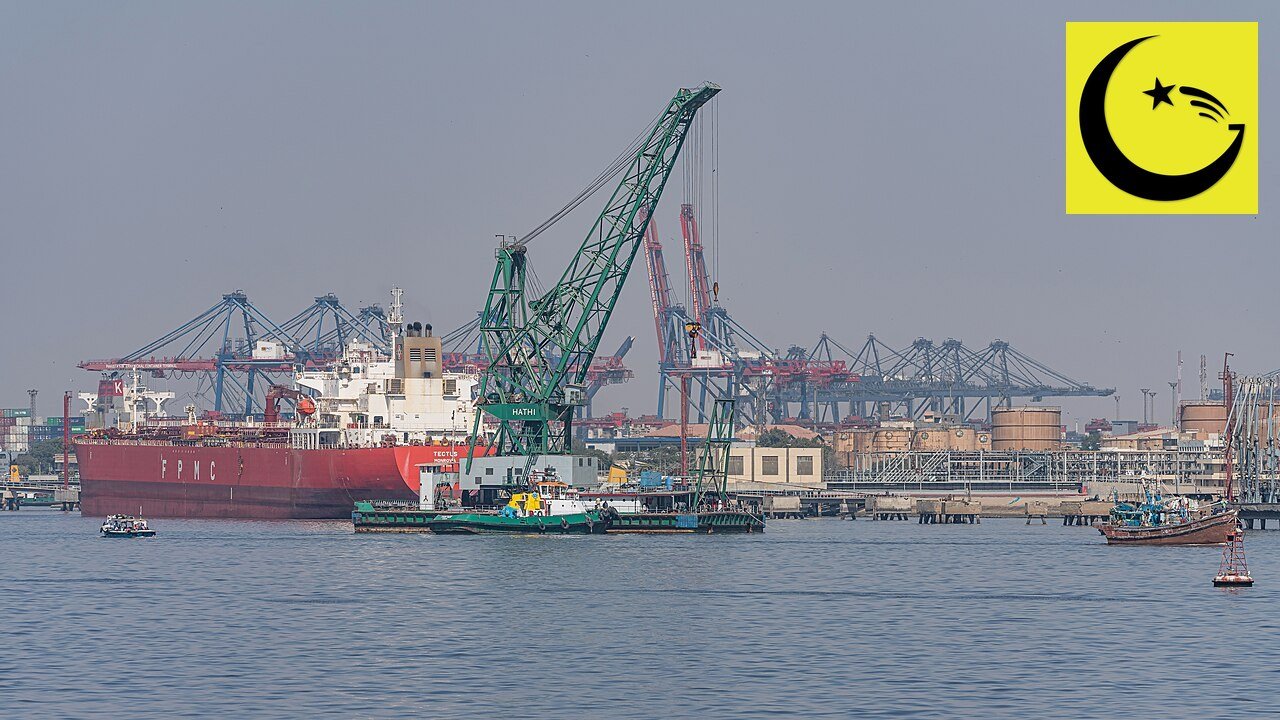
Pakistan food exports rose 22.49 percent to $1.885 billion in the first four months of the fiscal year, July to October, up from $1.538 billion in the same period last year, according to figures compiled by the Pakistan Bureau of Statistics and reported by Dawn. The growth was broad enough to matter: fish, spices and meat all posted double-digit gains, and sugar returned to the export list for the first time this fiscal year.
What drove the rise in Pakistan food exports
Fish and fish products were the fastest climbers, up 29.83 percent year on year, helped by steady demand in Pakistan’s main overseas markets. Spice exports grew 23.98 percent, and meat exports rose 19 percent, continuing the strong run that has made meat one of the country’s most reliable food earners. Rice remained the single largest contributor to the food basket, earning about $823 million in the four months, but the headline this time is how much of the growth came from beyond the rice fields.
Not every line moved in the right direction. Fruit exports fell 27.43 percent and vegetable exports dropped 18.64 percent, a reminder that perishable produce still struggles with logistics and market access. Even with those declines, the overall food group added roughly $347 million over the same period last year.

Fishing boats moored at Karachi Fish Harbour; fish was the fastest-growing food export category, up 29.83 percent.
Photo: Shayanshaukat, CC BY-SA 3.0, via Wikimedia Commons
Sugar is back on the export list
The most symbolic change came in October, when Pakistan exported 10,346 tonnes of sugar worth $4.936 million. No sugar had been exported in October last year, and none was recorded in August or September of this year either, even though the government had approved exports of 108,000 tonnes in August and a further 200,000 tonnes in mid-September. The Economic Coordination Committee has since approved exports of a further 416,000 tonnes, and the October shipments mark the formal start of sugar exports in the current fiscal year, a notable turnaround for a commodity Pakistan has more often had to import.
Behind the sugar numbers sits a policy shift. The government has been moving to deregulate the sugar sector, and export approvals have been issued in stages through the year as officials judged domestic stocks sufficient. Exporters say predictable approvals matter almost as much as the tonnages themselves, because overseas buyers plan contracts months ahead. The staged releases suggest that official caution about local supply is now being matched with follow-through for growers and mills.
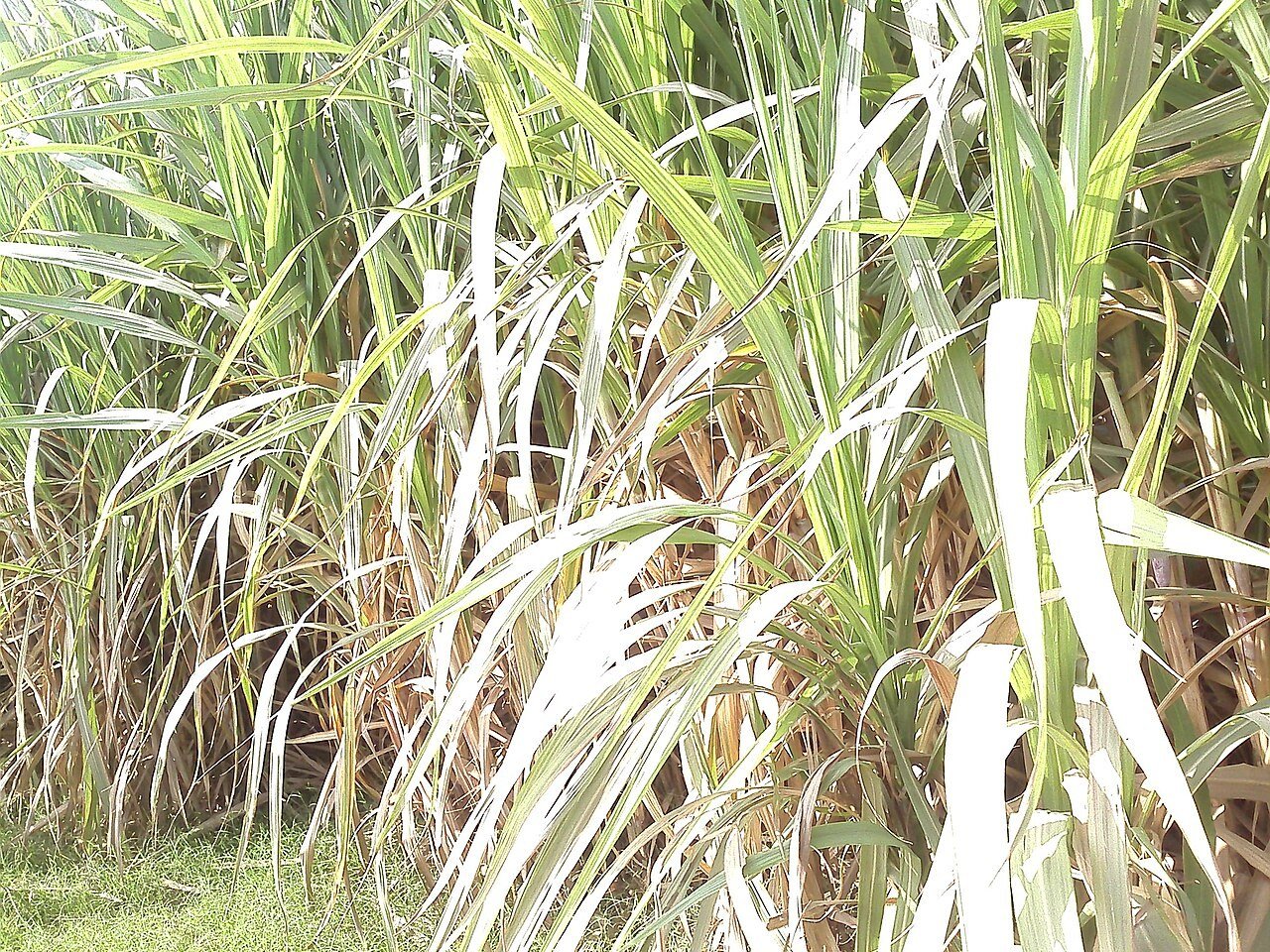
A standing sugarcane crop; sugar returned to Pakistan’s export list in October.
Photo: Rabia Tahir, CC BY-SA 3.0, via Wikimedia Commons
Imports stayed almost flat
The export gains were not cancelled out on the other side of the ledger. The overall food import bill grew just 2.76 percent to $3.160 billion, from $3.075 billion a year earlier. Palm oil remained the largest food import, with its value up 1.44 percent even as volumes fell 9.60 percent. Imports of pulses fell 10.02 percent, and the value of soybean oil imports dropped sharply. Pakistan did import 51,000 tonnes of wheat in October to bridge domestic shortages and contain rising wheat prices, a practical step that sits comfortably alongside the export story: a country that sells more food abroad can afford to buy what it temporarily lacks at home.
Why a wider food basket is the real story
For years, conversations about Pakistan food exports began and ended with rice and textiles’ poor cousin status. A four-month rise of 22.49 percent built on fish, meat, spices and a returning sugar trade tells a different story, one of a food economy slowly widening its base. Every additional category that grows is another set of farmers, processors, cold-chain operators and port workers earning from foreign buyers, and another cushion when any single crop has a bad season. If the fruit and vegetable decline can be reversed with better packaging, cold storage and freight links, the same official figures that recorded this quarter’s $1.885 billion could be reporting a considerably larger number next year.
Sources
- Dawn: Food exports jump, imports stay flat in October (via Investify)
- Feature Pakistan: Pakistan Food Exports Jump 22% as Sugar Shipments Resume
- Zaviya: Sugar exports begin at 10,346 tonnes as wheat imports resume
Photo credits: Karachi container port photo by A.Savin (Free Art License), via Wikimedia Commons. Fishing boats photo by Shayanshaukat, CC BY-SA 3.0, via Wikimedia Commons. Sugarcane photo by Rabia Tahir, CC BY-SA 3.0, via Wikimedia Commons.

Umar Farooq is the founder and editor of Good News Pakistan. An engineer by profession and a writer by passion, he started the site in December 2022 to share good news from Pakistan, and has since written and edited more than 200 articles about its people, sports, science, business and world records. He believes the story of Pakistan is bigger than its headlines, and that good news, told honestly, is worth telling every day.
- Umar Farooq
- Umar Farooq
- Umar Farooq
- Umar Farooq
- Umar Farooq