

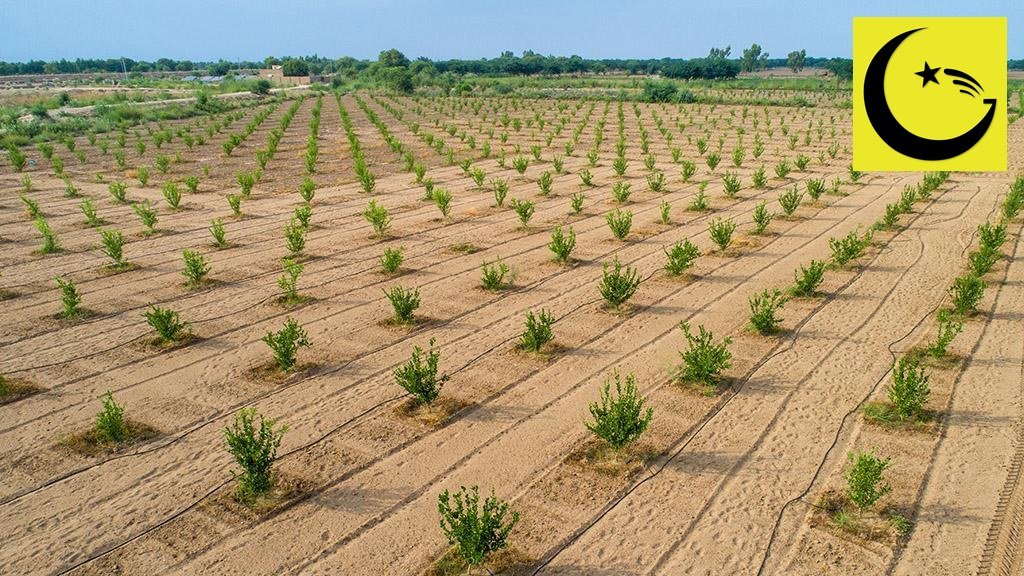
The Asian Development Bank approved the ADB $468 million package for Pakistan on 27 November, two concessional loans aimed at the same weak point: how the country handles water on its farms. One loan goes to Khyber Pakhtunkhwa, the other to Punjab. Together, the projects are expected to improve food security for about 728,000 people.
The money is split unevenly because the two provinces face different problems. In KP, the problem is unreliable irrigation. In southern Punjab, it is the opposite: hill torrents that arrive as destructive flash floods and then vanish, leaving dry land behind.
Two loans, two different water problems
The Khyber Pakhtunkhwa Resilient Irrigated Agriculture Livelihoods Development Project receives $208 million. It covers Nowshera, Swabi and Upper Chitral districts. The work includes resilient irrigation systems, modern agricultural technologies and livelihoods training for women, along with measures to increase women’s role in water governance. That last point matters in districts where women do much of the farm work but rarely sit in the bodies that decide how water is shared.
The Punjab loan is larger, at $260 million, and goes to the Integrated Hill Torrent Management Project. Hill torrents are the seasonal streams that pour off the Sulaiman range into Dera Ghazi Khan and Rajanpur districts after rain. The project finances flash flood risk mitigation, floodwater harvesting, water retention, drainage and flood protection works, and spate irrigation, which spreads floodwater across fields instead of letting it race past. It also includes nature-based solutions and aquifer recharge, so some of the floodwater ends up stored underground rather than lost.
The ADB $468 million package at a glance
| Project | Loan | Area | Main works |
|---|---|---|---|
| KP Resilient Irrigated Agriculture Livelihoods Development Project | $208 million | Nowshera, Swabi, Upper Chitral | Resilient irrigation, modern farm technology, women’s livelihoods training and water governance |
| Integrated Hill Torrent Management Project | $260 million | Hill torrent belt, southern Punjab | Flood protection, floodwater harvesting, spate irrigation, aquifer recharge |
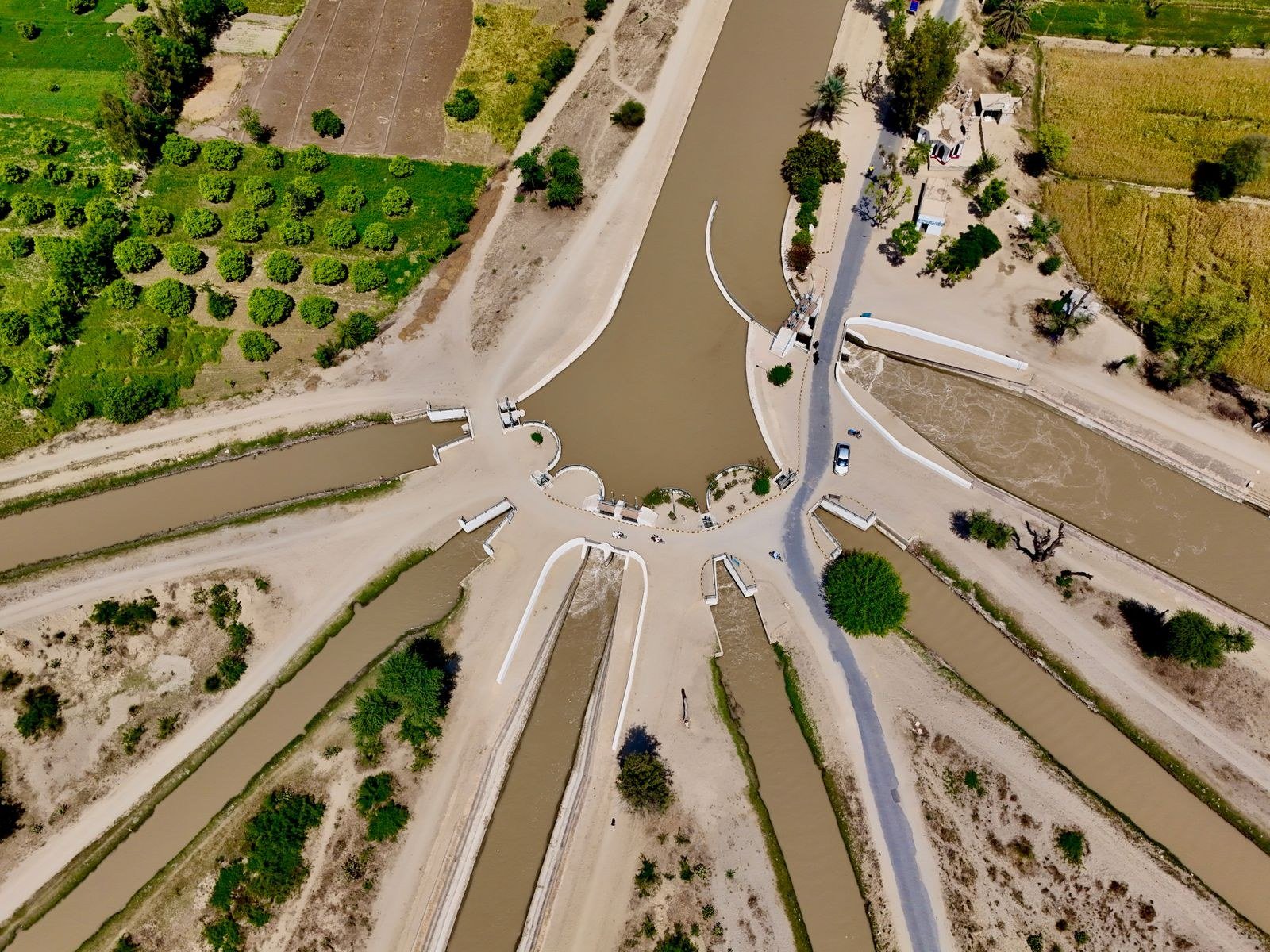
Photo: via Pexels
Why this matters
Pakistan’s farm economy runs on water timing. Crops fail when canals run dry in a hot month, and they fail again when a torrent takes out a season’s work in one night. The two loans in the ADB $468 million package attack both ends of that cycle. The KP project tries to make supply steadier. The Punjab project tries to turn a destructive flow into a stored resource.
ADB’s Country Director for Pakistan, Emma Fan, linked the package to food production under pressure. “Pakistan’s agriculture sector faces mounting challenges in food production due to environmental pressures,” she said. “This new financing package supports food security by helping farmers adapt to climate change and strengthening resilient and inclusive agriculture across the two provinces.”
There is also a plain arithmetic point. About 728,000 people is the bank’s estimate of who benefits. These are concessional loans, so they add to public debt, but on softer terms than commercial borrowing. The return depends on execution: irrigation systems that are maintained, and flood works that are still standing when the next big torrent season comes.
Approval is the start, not the finish. The loans now move into implementation through the Khyber Pakhtunkhwa and Punjab governments, which will run procurement and construction over several years. The ADB $468 million package will be judged on delivery: channels lined and working in Chitral, torrent water spread across fields in Rajanpur instead of through them. Pakistan has signed water projects before that took years to break ground. The difference this time is that both projects target districts where the water problem is visible every single season, which tends to concentrate minds.
Sources
- Asian Development Bank: ADB Approves $468 Million Financing Package to Boost Resilient Agriculture in Pakistan Provinces
- The News: ADB approves $468m in loans for KP, Punjab
- Featured photo: Nadeem Khawar / Asian Development Bank
- Body photo: via Pexels

Umar Farooq is the founder and editor of Good News Pakistan. An engineer by profession and a writer by passion, he started the site in December 2022 to share good news from Pakistan, and has since written and edited more than 200 articles about its people, sports, science, business and world records. He believes the story of Pakistan is bigger than its headlines, and that good news, told honestly, is worth telling every day.
- Umar Farooq
- Umar Farooq
- Umar Farooq
- Umar Farooq
- Umar Farooq